How is the J&K Government Securing Schools and Hospitals from Stray Dogs?
Synopsis
The Jammu and Kashmir government has taken a significant step to enhance public safety by directing urban local bodies to protect schools and hospitals from stray dogs. This initiative includes mapping key locations and implementing humane removal strategies.
Key Takeaways
J&K government directs action against stray dogs.
Mapping of schools and hospitals is required.
Regular inspections mandated every three months.
High-risk areas, especially for children, to be classified.
Health professionals advise rabies vaccinations for pets.
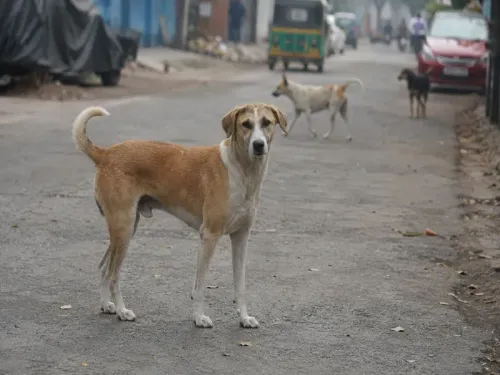
Jammu, Dec 11 (NationPress) The Housing and Urban Development Department of Jammu and Kashmir has instructed all urban local bodies to identify schools, hospitals, stadiums, and transportation hubs within a fortnight and take action to prevent stray dogs from entering these locations.
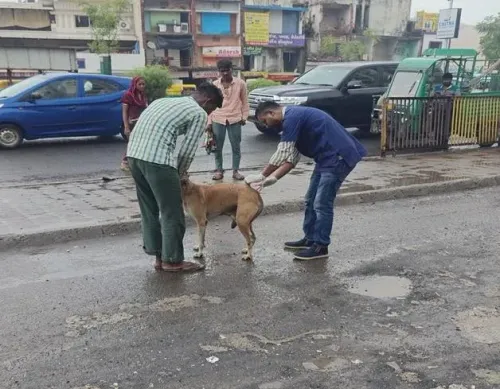
A circular issued mandates regular inspections every three months and the humane ABC-based removal of stray dogs from these crucial areas, along with a report on compliance due in 30 days.
The Commissioner-Secretary of the Department has emphasized that all ULBs in the Union Territory must promptly adhere to the measures outlined by the Supreme Court for the effective management of stray dogs in institutional zones.
This directive requires a comprehensive two-week effort to identify all government and private institutions, including schools, colleges, hospitals, stadiums, bus stations, ISBTs, and railway terminals.
All Urban Local Bodies are instructed to categorize areas deemed high-risk, particularly those frequented by children.
“All urban local bodies, in collaboration with the respective district magistrates, shall finalize the identification of all government and private institutions within their jurisdiction within a two-week timeframe following this circular,” the document stated.
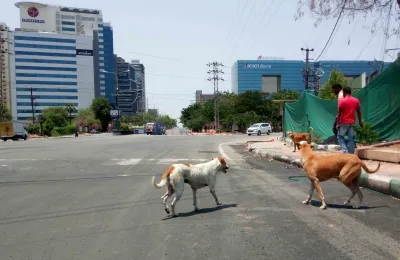
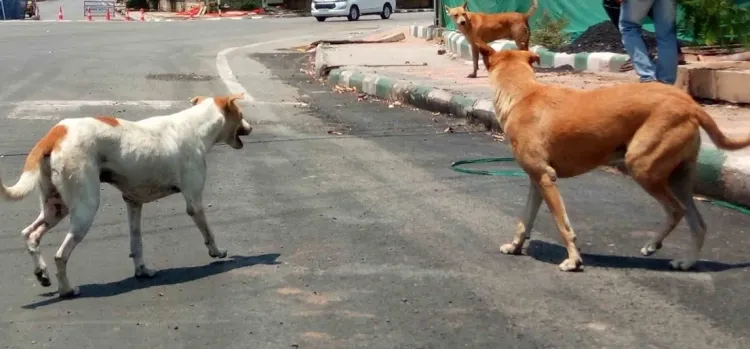
Dog bites have emerged as a pressing issue in the Kashmir Valley, with medical professionals at the SMHS hospital in Srinagar reporting over 240 dog bite cases treated this year alone.
The situation is similarly concerning in other cities and towns across the Valley, where children and the elderly frequently fall victim to stray dogs.
Additionally, a growing trend among locals to adopt cats has led to increased incidents of cat bites, which require urgent medical attention to prevent rabies.
Healthcare providers have been consistently urging pet owners to vaccinate their dogs against rabies to prevent these domestic animals from becoming carriers of this deadly disease.
Point of View
It's vital to recognize the proactive measures being taken by the Jammu and Kashmir government in response to the alarming rise in dog bite incidents. This initiative reflects a commitment to public safety, particularly for vulnerable populations like children and the elderly. Ensuring a safe environment in schools and hospitals is a priority that resonates nationwide.
NationPress
25 Sept 2026
Frequently Asked Questions
What measures is the J&K government implementing to address stray dog issues?
The J&K government is mandating urban local bodies to map schools and hospitals and implement humane removal strategies for stray dogs through inspections every three months.
How serious is the issue of stray dog bites in Jammu and Kashmir?
Stray dog bites have become a significant problem in the Kashmir Valley, with over 240 cases reported this year alone, affecting mainly children and the elderly.
What is the timeline for the implementation of these measures?
Urban local bodies have been given a two-week period to identify and secure schools and hospitals from stray dog entry.
Why is rabies vaccination important for pet dogs?
Vaccinating pet dogs against rabies is crucial to prevent them from becoming carriers of the disease, which poses a serious health risk to humans.
What locations are being prioritized for stray dog management?
The priority locations include schools, hospitals, stadiums, bus stands, railway stations, and other areas frequented by the public.