Why is the Baloch National Movement Opposing US Exim Bank's $1.25 Billion Loan to Pakistan?
Synopsis
In a bold statement, the Baloch National Movement has condemned the US Exim Bank's $1.25 billion financing of Pakistan's Reko Diq mining project, suggesting it exacerbates oppression in Balochistan. This article explores the implications of such support on human rights and self-determination.
Key Takeaways
BNM opposes US Exim Bank's financing for the Reko Diq project.
Concerns over increased repression in Balochistan.
Loan viewed as endorsing exploitation of local resources.
Warnings of military escalation and forced displacements.
Call for US to reconsider its support for oppressive regimes.
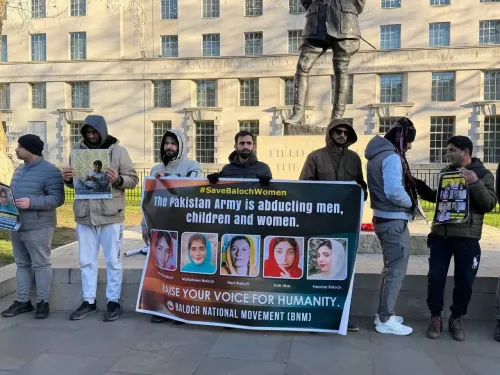
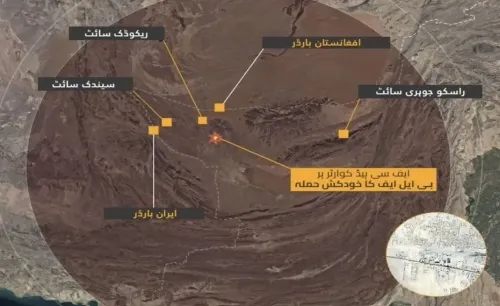
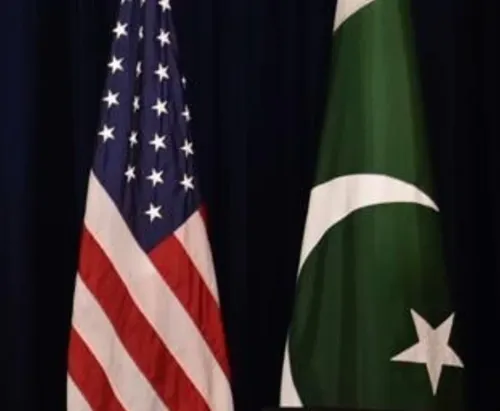
New Delhi, Dec 13 (NationPress) The Baloch National Movement (BNM) has voiced its serious apprehension regarding the US Export-Import Bank's (Exim Bank) recent decision to allocate $1.25 billion to Pakistan for its Reko Diq mining project, according to a report.
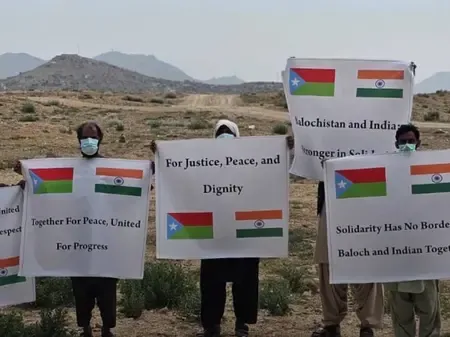
BNM asserts that this action will tighten Pakistan’s grip on Balochistan and escalate state-driven oppression in the area, as reported by Balochistan Post.
The organization criticized the US initiative, portrayed as developmental aid, as a tacit endorsement of Pakistan’s exploitation of Baloch resources, which violates global ethical principles.
BNM condemned the financial assistance as a facilitation of “b genocide, forced disappearances, and the looting of the Baloch nation's natural wealth.”
The group cautioned that this package would lead to increased military operations, establishment of army bases, checkpoints, forced relocation of populations, and heightened surveillance in resource-abundant regions of Balochistan.
They urged Washington to acknowledge the historic ramifications of backing oppressive regimes, emphasizing that this decision undermines the Baloch quest for self-determination.
Addressing the ongoing humanitarian crisis, BNM called on the US to consider the plight of numerous Baloch youths who remain missing in secret military detention facilities under harsh conditions.
“The United States must choose between championing human rights and endorsing oppression… Such aid does not alleviate the Baloch's suffering; it exacerbates it,” the statement remarked.
A recent analysis noted that the International Monetary Fund's (IMF) approval of a $1.2 billion disbursement for Pakistan aims to help the nation avert immediate default on foreign debt obligations but is unlikely to alleviate the financial strain on ordinary households.
This analysis highlighted persistent structural issues such as the trade deficit, looming foreign-exchange crisis, and internal political strife.
Data from November revealed that Pakistan’s trade deficit surged by 33 percent to $2.86 billion year-on-year, driven by declining exports and rising imports amidst lackluster economic growth.
The report urged the government to incur further debt solely for essential needs like population management or creating safeguards against climate change.
Point of View
It's crucial to underscore the implications of international financial support in oppressive contexts. The BNM's concerns highlight the delicate balance between development aid and the potential for exacerbating human rights violations. The situation in Balochistan requires careful attention to ensure that aid does not enable further oppression.
NationPress
25 Sept 2026
Frequently Asked Questions
What is the Baloch National Movement's stance on the US Exim Bank loan?
The Baloch National Movement opposes the US Exim Bank's $1.25 billion loan to Pakistan, viewing it as a means to tighten control over Balochistan and exacerbate state-led repression.
How does the BNM view the US's financial assistance?
The BNM perceives the financial assistance as an endorsement of Pakistan's exploitation of Baloch resources and a violation of global ethical standards.
What are the potential consequences of this loan according to BNM?
BNM warns that the loan could lead to increased military operations, forced displacements, and heightened surveillance in Balochistan.
What does BNM urge the US to recognize?
BNM urges the US to recognize the historical consequences of supporting oppressive regimes, emphasizing that such actions undermine the Baloch struggle for self-determination.
What are the current economic conditions in Pakistan?
Pakistan is facing significant economic challenges, including a widening trade deficit and internal political discord, despite recent IMF loans aimed at avoiding immediate default.