J&K transfers 320 kanals for markets in 3 districts

Synopsis
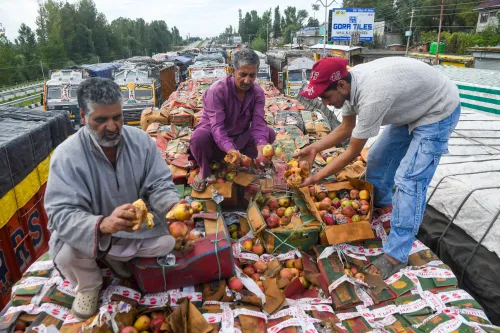
Jammu and Kashmir has transferred 320 kanals for proposed fruit and vegetable markets in Kulgam, Baramulla and Pulwama. The government says the initiative is intended to improve farmers' access to buyers, make pricing more transparent and reduce post-harvest losses.
Key Takeaways
The Jammu and Kashmir government has transferred 320 kanals for proposed fruit and vegetable markets.
The proposed markets are in Kulgam , Baramulla and Pulwama districts.
The land has been transferred to the Agriculture Production Department .
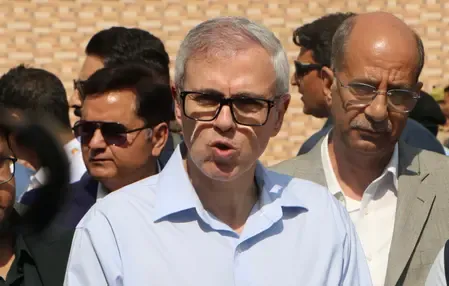
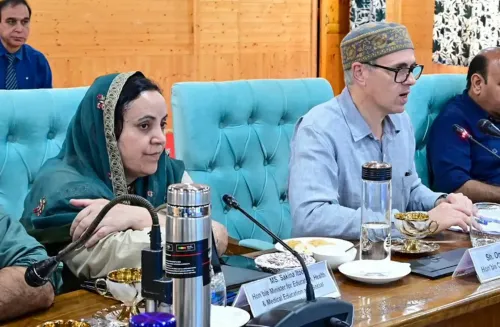
The office of Chief Minister Omar Abdullah said the initiative aims to improve market access and pricing transparency and reduce post-harvest losses.
The announcement did not provide a district-wise land breakdown or opening dates for the markets.
The Jammu and Kashmir government has transferred 320 kanals of land to the Agriculture Production Department to establish modern fruit and vegetable markets in Kulgam, Baramulla and Pulwama. The move, reported on 24 November, is intended to improve market access for farmers, support transparent pricing and reduce post-harvest losses, according to the office of Chief Minister Omar Abdullah.
The proposed markets are also expected to promote value addition and create local employment opportunities. Officials said the land transfer has been approved for the three districts of the union territory.
Land for markets in three districts
The land has been transferred to the Agriculture Production Department for the proposed fruit and vegetable markets in Kulgam, Baramulla and Pulwama. The total allocation is 320 kanals, though a district-wise breakdown was not provided.
The planned facilities are intended to give growers organised places to trade their produce and better access to buyers. The initiative also aims to reduce the role of intermediaries, alongside improving price transparency.
Farmer access and post-harvest losses
For growers of perishable fruit and vegetables, access to a market is only one part of the journey from farm to buyer. Storage, grading, packaging and transport can also affect how much produce reaches customers and how much value farmers retain.
The chief minister's office identified lower post-harvest losses as an aim of the market initiative. Investments in food processing units, pack houses, cold storage and controlled-atmosphere facilities are also helping extend shelf life and add value beyond the sale of raw produce.
Growers nevertheless continue to face gaps in cold storage, controlled-atmosphere capacity, grading and packaging. The land-transfer announcement did not set out how those gaps would be addressed at each proposed market.
Procurement and connections to buyers
Other agricultural marketing efforts include an agreement between the Directorate of Agriculture Kashmir and JKHMC. Its areas of focus include direct farm-gate procurement, minimum support price declarations before cropping seasons and links to hypermarkets, retail chains across India and defence supplies.
The source did not specify whether that agreement is directly connected to the three proposed markets. Both initiatives address aspects of how growers sell produce, but the land announcement did not provide details of procurement arrangements at the new sites.
Infrastructure and supply challenges
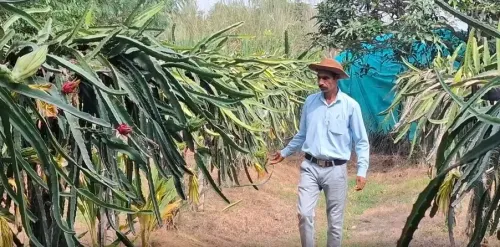
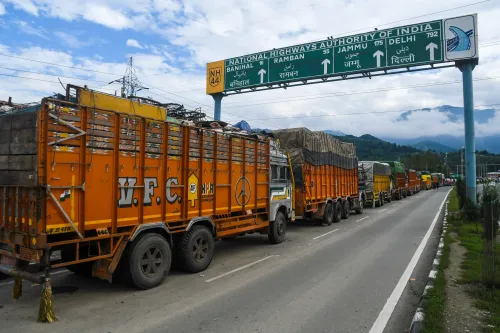
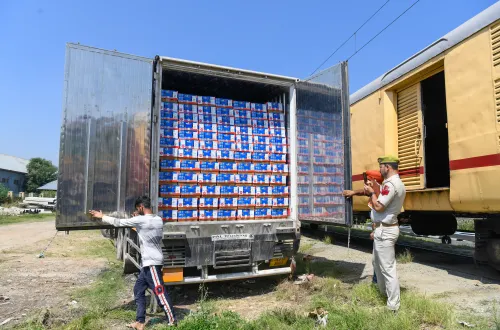
Protected and high-tech cultivation, including winter vegetable trials in districts such as Pulwama, can support local supply when outdoor harvests slow. Moving perishable produce out of the valley also depends heavily on uninterrupted highway and pass connectivity.
Rising input costs and weather risks remain concerns for growers, keeping crop insurance and market intervention support among their priorities. Kashmir also has potential to market fruit and vegetables elsewhere in India and abroad, given its suitable climate.
The announcement did not provide a construction schedule or opening dates for the markets. Further details on facilities, procurement and district-wise land allocation will clarify how the planned hubs will operate.
Point of View
But it does not by itself guarantee better prices or lower losses for growers. The government should publish district-wise allocations, timelines and plans for storage, grading and access to buyers. The test will be whether farmers can use these markets reliably and see transparent returns after transport and other costs.
NationPress
24 Nov 2026
Frequently Asked Questions
How much land has J&K transferred for fruit and vegetable markets?
The Jammu and Kashmir government has transferred 320 kanals to the Agriculture Production Department for proposed modern fruit and vegetable markets.
Where will the proposed J&K produce markets be located?
The proposed markets are in Kulgam, Baramulla and Pulwama districts. A district-wise land allocation was not provided.
Why do the proposed markets matter to farmers?
The markets are intended to improve farmers' access to buyers, support transparent pricing and reduce post-harvest losses. The government also expects them to promote value addition and local employment.
When will the new fruit and vegetable markets open?
No opening dates or construction schedule were provided in the announcement.
What other challenges do Kashmir's fruit and vegetable growers face?
Growers face gaps in cold storage, controlled-atmosphere capacity, grading and packaging, as well as transport and weather risks. Rising input costs are also a concern.