Japanese Encephalitis kills 7 in Assam; NHM clarifies AES-JE distinction

Synopsis
Seven people have died from Japanese Encephalitis in Assam this year, but the bigger story is a public health communication failure: reports conflating 470 AES cases with JE figures prompted NHM Assam to issue a rare formal clarification, warning that the two conditions are not interchangeable — a distinction that shapes everything from treatment protocols to vaccine deployment.
Key Takeaways
NHM Assam confirmed 35 Japanese Encephalitis cases and 7 deaths in Assam as of 17 June 2026 .
Separately, 470 AES cases and 32 deaths have been recorded — these must not be reported as JE figures, authorities stressed.
Japanese Encephalitis is one cause of Acute Encephalitis Syndrome , but the two conditions are clinically and epidemiologically distinct.
Surveillance has been intensified across districts ahead of the peak monsoon AES-JE season .
The state is expanding vaccination coverage in vulnerable areas and strengthening inter-departmental coordination.
NHM Assam has appealed to media and stakeholders to rely on verified data and report the two conditions separately.
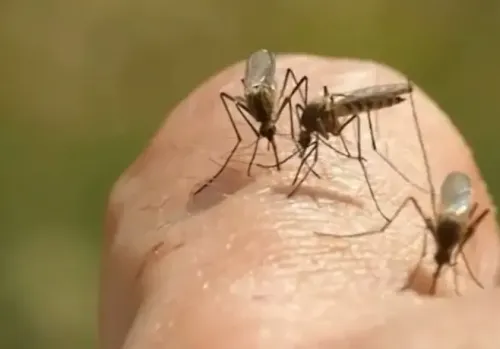
The National Health Mission (NHM), Assam, on Thursday, 18 June 2026, confirmed that Assam has recorded 35 Japanese Encephalitis (JE) cases and seven deaths from the mosquito-borne disease up to 17 June 2026, while issuing a pointed clarification that Acute Encephalitis Syndrome (AES) and Japanese Encephalitis are clinically distinct conditions and must not be reported interchangeably. The statement comes amid growing concern over conflated figures circulating in public discourse.
The AES-JE Distinction Explained
According to NHM Assam, Japanese Encephalitis is one of several causes of Acute Encephalitis Syndrome, but the two are not synonymous. AES is a broader clinical syndrome with multiple possible causes, only one of which is the JE virus. 'The reporting of AES and JE figures without proper distinction may create misunderstanding among the public. While JE is one of the important causes of AES, the two are not synonymous,' an NHM Assam official said.
Data from the National Centre for Vector Borne Disease Control (NCVBDC) confirm the 35 JE cases and 7 deaths as of 17 June 2026. Separately, 470 AES cases and 32 deaths have been recorded — figures that some reports had incorrectly attributed to Japanese Encephalitis alone.
Why the Confusion Matters
The conflation of AES and JE figures significantly inflates the apparent JE burden, potentially triggering disproportionate public alarm. Notably, this is not the first time such reporting gaps have emerged during Assam's annual monsoon disease season. Health authorities have repeatedly flagged the need for precise categorisation to guide targeted interventions and resource allocation.
This year's 35 confirmed JE cases represent the verified, laboratory-backed count — a far cry from the 470 AES cases that encompass a wider range of neurological presentations. The distinction is critical for both clinical management and epidemiological surveillance.
Surveillance and Preparedness Measures
Ahead of the peak AES-JE season, which typically intensifies during the monsoon months, the state government has ramped up its response. Surveillance activities have been intensified across districts, and healthcare facilities have been directed to strengthen case management and treatment protocols.
Efforts are also underway to expand vaccination coverage in vulnerable areas and improve inter-departmental coordination for disease control. Officials indicated that early-season preparedness is being treated as a priority given the historical pattern of case surges from June through September.
Appeal to Media and Stakeholders
NHM Assam has formally appealed to media organisations, public health stakeholders, and citizens to rely exclusively on verified data and to report AES and JE figures separately. The mission stressed that accurate communication is essential to prevent misinformation and unnecessary public panic during a season that already places significant strain on Assam's health infrastructure.
With monsoon conditions set to deepen across the state, authorities will be closely monitoring case trajectories in the weeks ahead.
Point of View
And misinformation about disease burden can distort both resource deployment and public behaviour. The state's proactive clarification is commendable, but the fact that it was necessary at all points to a structural gap in how health data is communicated to newsrooms during seasonal outbreaks.
NationPress
19 Sept 2026
Frequently Asked Questions
How many Japanese Encephalitis deaths have been reported in Assam in 2026?
As of 17 June 2026, Assam has recorded 7 deaths due to Japanese Encephalitis, along with 35 confirmed JE cases, according to data from the National Centre for Vector Borne Disease Control (NCVBDC).
What is the difference between AES and Japanese Encephalitis?
Acute Encephalitis Syndrome (AES) is a broad clinical syndrome with multiple possible causes, while Japanese Encephalitis (JE) is a specific mosquito-borne viral disease that is one cause of AES. Not all AES cases are JE cases, and the two must be tracked and reported separately.
Why did NHM Assam issue a clarification on AES and JE figures?
NHM Assam issued the clarification after some reports presented AES and JE figures together, creating public confusion. The state has 470 AES cases and 32 AES deaths, which are separate from the 35 JE cases and 7 JE deaths — conflating them significantly overstates the JE burden.
What steps is Assam taking to control Japanese Encephalitis this season?
Assam has intensified surveillance across districts, directed healthcare facilities to strengthen case management protocols, expanded vaccination coverage in vulnerable areas, and improved inter-departmental coordination ahead of the peak monsoon AES-JE season.
When is the AES-JE season in Assam?
The AES-JE season in Assam typically peaks during the monsoon months, broadly from June through September, when mosquito activity and environmental conditions favour transmission of the Japanese Encephalitis virus.