JEEViKA Didi's Kitchen at Shravani Mela employs 100+ women in Bhagalpur
Synopsis
More than 100 rural women in Sultanganj are earning up to ₹10,000 each during the Shravani Mela — not by chance, but by design. JEEViKA Didi's Kitchen has turned a month-long pilgrimage into a structured livelihood opportunity, projecting ₹30 lakh in revenue and offering a replicable model for women's economic inclusion at India's religious mass-gatherings.
Key Takeaways
JEEViKA Didi's Kitchen at Namami Gange Ghat, Sultanganj is serving over 1,000 pilgrims daily during the Shravani Mela .
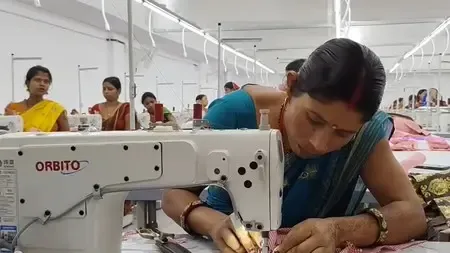
More than 100 women from local areas of Sultanganj have found employment through the initiative.
Each woman is expected to earn between ₹8,000 and ₹10,000 over the course of the mela.
Total revenue from the kitchen is projected at approximately ₹30 lakh for the month-long event.
The initiative is backed by the Bihar government through BRLPS and the World Bank-aided Bihar Rural Livelihoods Project .
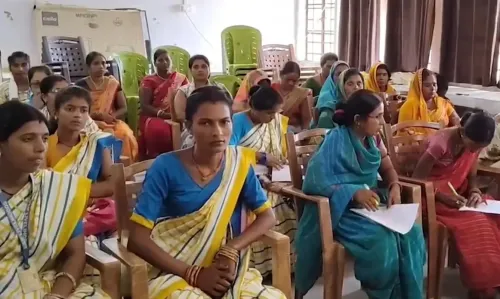
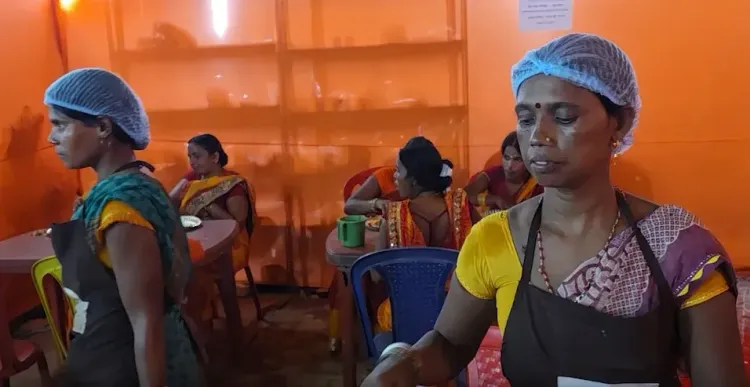
JEEViKA Didi's Kitchen, set up at the month-long Shravani Mela in Sultanganj, Bhagalpur, has created fresh employment for more than 100 local women, offering them a steady income during one of Bihar's largest religious gatherings. The initiative, operating at Namami Gange Ghat, serves nutritious meals to over 1,000 pilgrims daily and is projected to generate roughly ₹30 lakh in revenue over the course of the mela.
How the Kitchen Works
Saurabh Kumar, manager of JEEViKA Didi's Kitchen at Namami Gange Ghat, said the setup has given a livelihood to women who had previously been without work. Each woman participating in the initiative is expected to earn between ₹8,000 and ₹10,000 during the mela period. 'More than 100 women are employed here through JEEViKA. They are all from the local areas of Sultanganj. Many of these women were previously not engaged in any work. When they heard about this opportunity through JEEViKA, they found employment,' Kumar said.
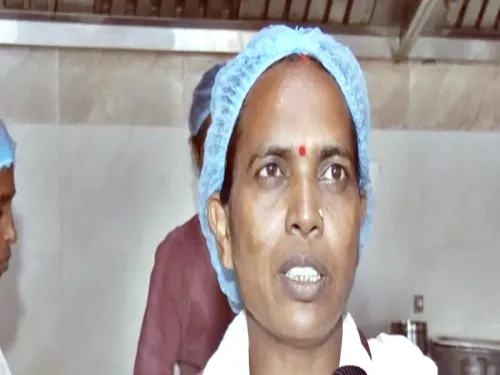
Ritu Devi, who manages a counter at the kitchen, noted that the venture has generated significant profits while simultaneously opening doors for women who had no prior source of income.
Scale of the Shravani Mela
The Shravani Mela draws enormous footfall from across the region. On a single day, as many as 2,26,747 devotees offered holy water to Baba Baidyanath at the famous temple in Deoghar, with chants of 'Har Har Mahadev' and 'Bol Bam' resonating through the town. The sanctum sanctorum opened at 4:08 am, with priest Gaurav Jha performing the daily Sardari Puja before devotees were admitted. The scale of the gathering underscores why a high-volume community kitchen at Sultanganj can sustain employment for over a hundred women across the full month.
What JEEViKA Is and Why It Matters
The Bihar Rural Livelihoods Promotion Society (BRLPS), under the Bihar government, implements the World Bank-aided Bihar Rural Livelihoods Project — popularly known as JEEViKA — to promote the social and economic empowerment of rural women. The initiative was later expanded to include the Livelihoods Restoration and Enhancement component of the Bihar Kosi Flood Recovery Project. Deploying JEEViKA networks at a high-traffic religious event like the Shravani Mela represents a practical extension of the programme's mandate: converting existing self-help group infrastructure into real-time income opportunities.
Impact on Women's Livelihoods
For many of the women involved, this is their first structured income-generating activity. The kitchen model — combining food service at a pilgrimage site with World Bank-backed institutional support — offers a replicable template for other large religious or cultural events across the state. Notably, the projected ₹30 lakh revenue figure, if realised, would translate into meaningful individual earnings for each participant, well above typical daily-wage benchmarks in rural Bihar. Whether the state government will extend similar deployments to other melas remains to be seen.
Point of View
Creating income without new infrastructure. What the story underplays is the structural question — whether ₹8,000–₹10,000 over a month is genuinely transformative, or whether it papers over the absence of year-round livelihood options for these women. Bihar's rural employment landscape remains deeply fragile outside of MNREGS and similar schemes. The real test of JEEViKA's impact is not the mela month, but what these women return to once the pilgrims leave.
NationPress
5 Oct 2026
Frequently Asked Questions
What is JEEViKA Didi's Kitchen at the Shravani Mela?
JEEViKA Didi's Kitchen is a community food stall set up at Namami Gange Ghat in Sultanganj, Bhagalpur, during the month-long Shravani Mela. It is run by women associated with the JEEViKA self-help group network and serves nutritious meals to over 1,000 pilgrims daily.
How many women are employed through the JEEViKA kitchen at Shravani Mela?
More than 100 women from the local areas of Sultanganj are employed through the initiative. Many of them were previously without any regular source of income before joining the JEEViKA programme.
How much can each woman earn from the JEEViKA kitchen during the mela?
According to Saurabh Kumar, manager of JEEViKA Didi's Kitchen, each participating woman is expected to earn between ₹8,000 and ₹10,000 over the duration of the Shravani Mela.
What is the JEEViKA initiative in Bihar?
JEEViKA is the Bihar Rural Livelihoods Project, implemented by the Bihar Rural Livelihoods Promotion Society (BRLPS) under the Bihar government with World Bank support. It aims to promote the social and economic empowerment of rural women through self-help groups and livelihood programmes.
How much revenue is JEEViKA Didi's Kitchen projected to generate at the Shravani Mela?
The kitchen is estimated to generate approximately ₹30 lakh in revenue over the course of the month-long Shravani Mela, according to available estimates.