Jharkhand CM Hemant Soren Brings Driving Licences to Village Doorsteps
Synopsis
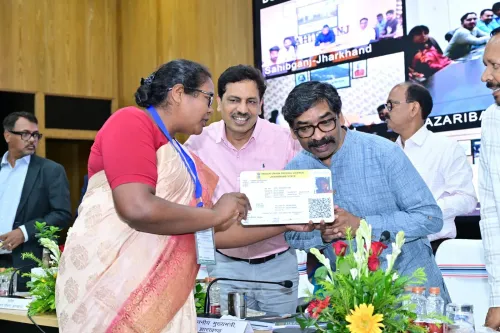
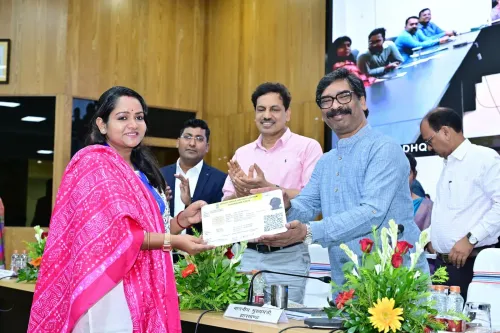
Jharkhand's Chief Minister Hemant Soren has taken driving licence issuance to village doorsteps through special camps in 264 blocks and 242 panchayats, issuing 19,756 learning licences on the spot and eliminating the need for rural residents to travel to district offices.
Key Takeaways
19,756 learning licences issued on the spot through special camps across Jharkhand.
Camps have covered 242 panchayats spread across 264 blocks — the most granular tier of local governance.
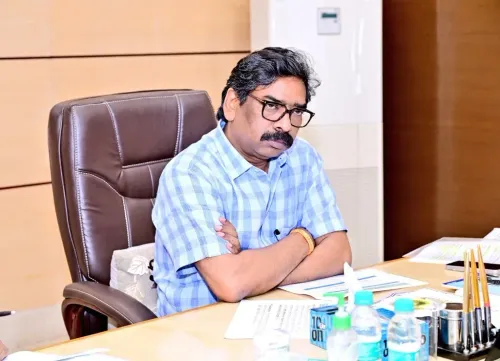
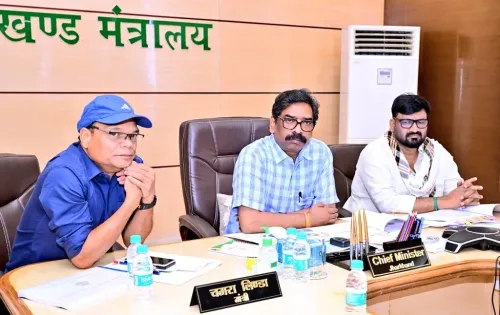
Initiative is driven by Chief Minister Hemant Soren under the 'Your licence, at your doorstep' model.
Scheme eliminates the need for rural applicants to travel to district headquarters for licence processing.
Programme aligns with India's national Parivahan e-governance framework while solving the physical last-mile access gap.
Potential expansion to cover all panchayats and to issue permanent driving licences through the same mechanism is the next milestone to watch.
Nearly 20,000 people in Jharkhand's remotest corners now hold driving licences they never had to chase down at a district office — because the district office, in effect, came to them.
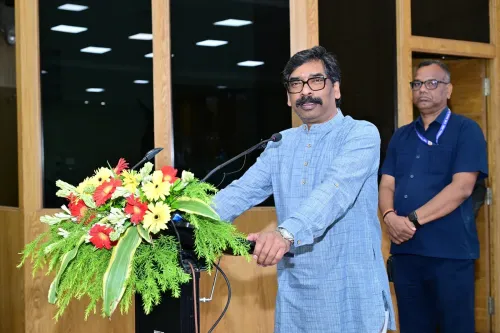
The Chief Minister's Office of Jharkhand announced on Sunday, 2 August 2026 that an initiative driven by Chief Minister Hemant Soren has delivered learning licences on the spot through special camps held across the state. The post, shared in Hindi, declared: 'Aapka licence, aapke dwar' — 'Your licence, at your doorstep.' So far, 19,756 learning licences have been issued across 242 panchayats spread over 264 blocks, without applicants ever needing to travel to a district headquarters.
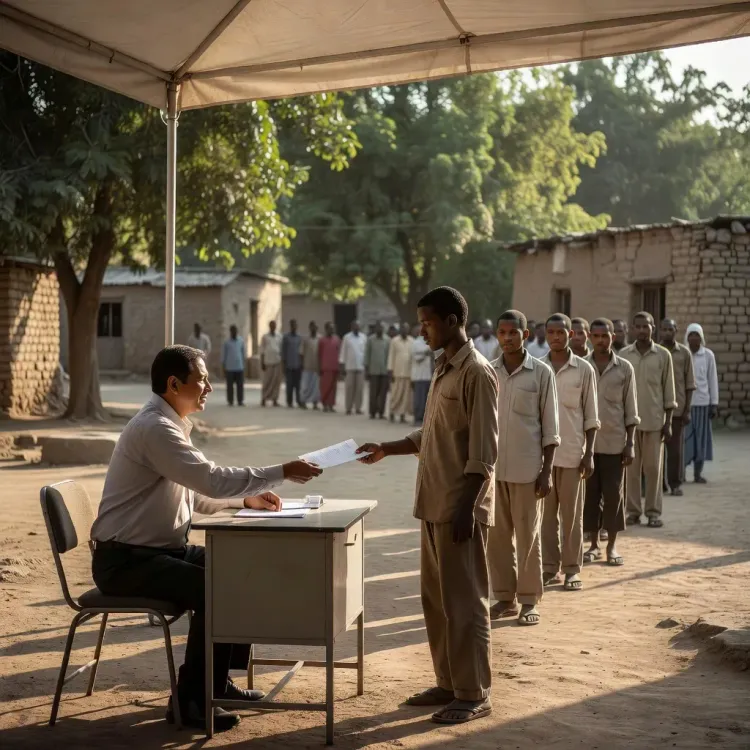
How the Camp Model Works
The scheme deploys special camps directly at the panchayat level — the most granular tier of local governance in India. Instead of requiring rural residents to navigate long distances, submit documents at overloaded district transport offices, and return multiple times, trained officials travel to the village and process applications on-site. Learning licences — the mandatory first step before a permanent driving licence — are issued the same day. This model plugs directly into India's broader Parivahan e-governance framework, which has digitised the licence pipeline nationally. The Jharkhand camps appear to use that backend while solving the last-mile problem the digital system alone cannot fix: physical access for citizens who lack the time, money, or mobility to reach a district town.Why Last-Mile Access Matters in Jharkhand
Jharkhand is one of India's most heavily forested and hilly states, with a significant share of its population living in villages and tribal hamlets far from district headquarters. For many residents, a single trip to a government office can mean a full day's lost wages and transport costs that outweigh the value of the document itself. A driving licence, however, is not a luxury — it is a livelihood tool for those running small vehicles, working in transport, or seeking formal employment. The state's Panchayati Raj Institutions are the institutional backbone making these camps possible, providing the local administrative infrastructure and community reach that district-level offices lack.The Numbers and What Comes Next
264 blocks and 242 panchayats covered is a substantial footprint, but Jharkhand has thousands of panchayats in total. The next test for the programme is whether the camp model can be scaled to cover every gram panchayat — and whether the government moves to issue permanent driving licences through the same decentralised mechanism, which would represent a far more significant administrative leap. If that happens, Jharkhand's doorstep-licence model could become a template other rural-heavy states point to when redesigning their own citizen-services delivery.Point of View
Tangible governance in rural Jharkhand ahead of electoral cycles. Reaching 19,756 beneficiaries across blocks and panchayats signals administrative ambition, but the real policy test is whether the model can be institutionalised at scale rather than run as a periodic campaign. The scheme also reflects a broader national trend of states competing to demonstrate last-mile service delivery — a metric that has become politically salient in tribal and rural constituencies. If permanent licences are brought into the same pipeline, the programme moves from symbolic to structurally transformative.
NationPress
2 Aug 2026
Frequently Asked Questions
What is the Jharkhand doorstep driving licence scheme?
It is an initiative by Chief Minister Hemant Soren under which special camps are held at the panchayat level across Jharkhand to issue learning licences on the spot, so rural residents do not need to travel to district headquarters.
How many licences have been issued under this scheme so far?
As of the announcement on 2 August 2026 , 19,756 learning licences have been issued through camps held in 242 panchayats across 264 blocks .
Who is eligible to apply at these camps?
The camps are open to residents of the panchayats where they are held, targeting rural citizens who would otherwise have to travel to district transport offices to apply for a driving licence.
What is a learning licence and why does it matter?
A learning licence is the mandatory first stage before a permanent driving licence in India. It allows a person to practise driving under supervision and is a prerequisite for obtaining a full licence, making it a critical document for livelihoods in transport and employment.
Will permanent driving licences also be issued through these camps?
The current camps issue learning licences. Expansion to permanent driving licences through the same decentralised mechanism has been flagged as a future possibility to watch, but has not been announced yet.