CM Jharkhand Office Marks Rath Yatra With Grand Procession in Ranchi
Synopsis
The Chief Minister's Office of Jharkhand marked Rath Yatra 2026 with an official video on X celebrating Lord Jagannath's grand arrival in Ranchi, underscoring the state's institutional support for the annual chariot festival and its cultural-tourism significance.
Key Takeaways
The Chief Minister's Office of Jharkhand posted a video on 16 July 2026 marking Rath Yatra in Ranchi .
The post hailed the occasion as 'महाप्रभु का भव्य आगमन' — 'the grand arrival of the Lord.' Lord Jagannath , Lord Balabhadra , and Devi Subhadra are the presiding deities of the Rath Yatra festival.
Jharkhand governments have provided logistical and security support to Ranchi's Rath Yatra since the early 2000s.
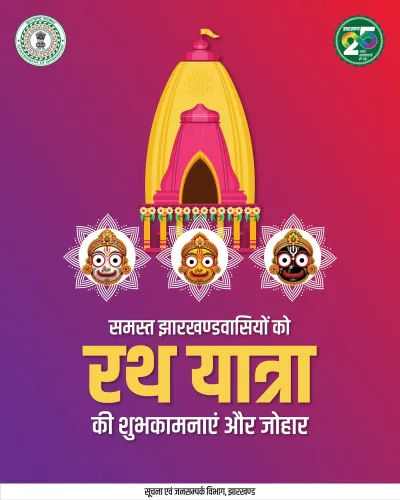
The hashtag #JharkhandSeJohar links the pan-Hindu festival to the state's tribal cultural identity.
The event has implications for Ranchi's religious tourism sector and the state's broader cultural-promotion strategy.
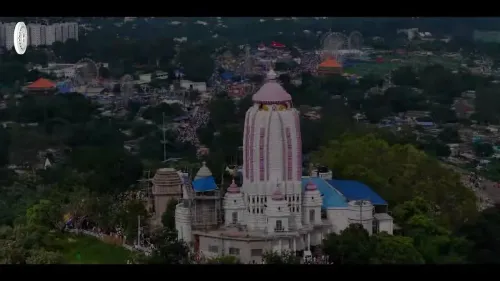
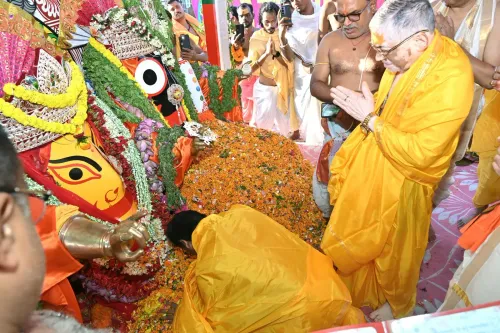
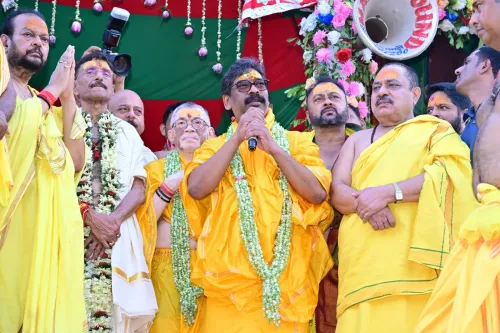
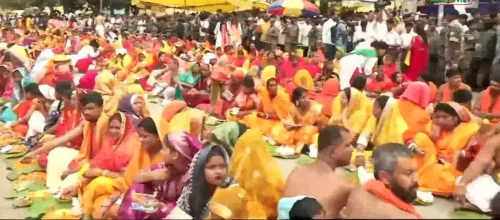
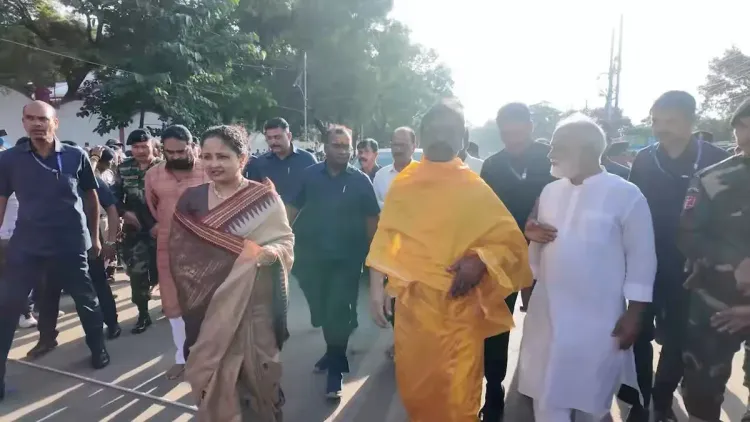
The Chief Minister's Office of Jharkhand on Thursday, 16 July 2026, shared a video on X celebrating the arrival of Lord Jagannath during the annual Rath Yatra festivities in Ranchi, hailing the occasion as a moment of divine grandeur for the state.
The post, captioned 'महाप्रभु का भव्य आगमन' ('The grand arrival of the Lord'), was accompanied by the hashtags #RathYatra, #Ranchi, #JharkhandSeJohar, and #LordBalabhadra, signalling the state's official embrace of the festival and its cultural significance across Jharkhand.
Context
Rath Yatra is one of the most widely observed Hindu festivals in eastern India, during which the deities Lord Jagannath, Lord Balabhadra, and Devi Subhadra are ceremonially placed on large wooden chariots and taken in public procession. The festival traces its most celebrated expression to the Jagannath Temple in Puri, Odisha, but has long been observed in cities and towns across the region, including Ranchi. In Ranchi, local Jagannath temples have organised Rath Yatra processions that draw large gatherings of devotees each year. The state capital's festivities have grown in scale over the decades, reflecting both the city's diverse religious composition and the festival's broad popular appeal.Policy Backdrop
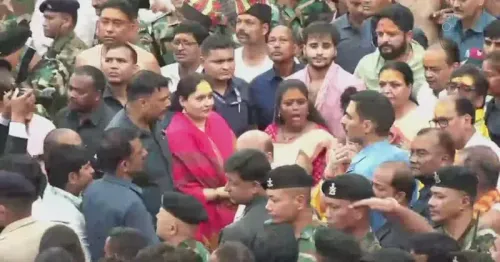
Jharkhand state governments have extended logistical and security support to annual Rath Yatra events in Ranchi since the early 2000s, institutionalising official participation in the festival's organisation. State authorities typically coordinate with temple committees and local administrations to manage crowd movement, traffic, and public safety during the procession. Official social-media posts of this kind are part of a broader pattern across Indian state governments, which routinely use their platforms to publicise major religious festivals as a form of cultural promotion. For Jharkhand, such messaging sits alongside the state's parallel emphasis on its distinctive tribal heritage, including festivals like Sarhul and Karma, reflecting an effort to represent the full spectrum of the state's cultural identity.Stakeholders and Impact
The primary stakeholders of Rath Yatra in Ranchi are the city's large devotee community, temple trusts, and the local tourism and hospitality sector. The festival draws visitors from surrounding districts and neighbouring states, generating economic activity for traders, vendors, and transport operators in the city. The official amplification of the event by the Chief Minister's Office lends institutional visibility to the festivities, potentially encouraging wider participation and supporting the state's cultural tourism objectives. The hashtag #JharkhandSeJohar — invoking the traditional Johar greeting of Jharkhand's tribal communities — reflects an attempt to weave together the state's diverse cultural threads in a single message.What's Next
The scale of official participation in Rath Yatra 2026 in Ranchi and any related announcements on temple development or religious tourism infrastructure will be closely watched in subsequent state budget sessions and cultural-calendar disclosures. As Jharkhand continues to position itself as a destination for both tribal and religious tourism, events like Rath Yatra are likely to feature more prominently in the state's cultural diplomacy and outreach efforts in the months ahead.Point of View
A tribal greeting, signalling a deliberate attempt to project an inclusive cultural identity. This dual messaging is politically significant in a state where tribal communities constitute a substantial share of the electorate and where cultural representation is a recurring theme in governance discourse. How the state translates such symbolic gestures into concrete policy — through temple infrastructure, tourism budgets, or heritage protection — will determine whether the messaging carries substantive weight.
NationPress
15 Oct 2026
Frequently Asked Questions
What is Rath Yatra and why is it celebrated in Ranchi?
Rath Yatra is an annual Hindu chariot festival honouring Lord Jagannath, Lord Balabhadra, and Devi Subhadra. Ranchi has its own Jagannath temples that have organised the procession for decades, drawing large crowds of devotees from across the region.
Why did the Jharkhand CM Office post about Rath Yatra 2026?
The Chief Minister's Office of Jharkhand shared a video on 16 July 2026 to mark the grand arrival of Lord Jagannath during Rath Yatra in Ranchi, reflecting the state's official support and cultural promotion of the festival.
What does 'JharkhandSeJohar' mean in the Rath Yatra post?
'Johar' is a traditional greeting used by tribal communities in Jharkhand. The hashtag #JharkhandSeJohar is used by the state's official handles to connect events and festivals to the state's broader, inclusive cultural identity.
Does the Jharkhand government provide official support for Rath Yatra?
Yes. Jharkhand state governments have extended logistical and security support to annual Rath Yatra events in Ranchi since the early 2000s, coordinating with temple trusts and local administration for crowd and traffic management.
What is the significance of Lord Balabhadra in Rath Yatra?
Lord Balabhadra is the elder brother of Lord Jagannath and one of the three principal deities — along with Lord Jagannath and Devi Subhadra — who are placed on separate chariots and taken in procession during Rath Yatra.