Ranchi's 335th Jagannath Rath Yatra draws lakhs in historic procession
Synopsis
Ranchi's Jagannath Rath Yatra — now in its 335th year — is not just a religious procession but a living institution. Born in 1691 under a Nagvanshi king inspired by Puri, it has rolled uninterrupted through centuries of change, drawing lakhs each year and standing as one of India's oldest such traditions outside Odisha.
Key Takeaways
Ranchi's 335th Jagannath Rath Yatra was held on 16 July 2025 , drawing lakhs of devotees.
The procession began at the Jagannathpur Temple and covered a nearly half-kilometre route to Mausibari .
Lord Jagannath will remain at Mausibari for nine days before returning during the Ghurti Rath Yatra .
Jharkhand Chief Minister Hemant Soren participated and offered prayers for peace and prosperity.
The tradition dates to 1691 , initiated by Nagvanshi ruler Aninath Shahdeo , making it one of India's oldest Rath Yatras.
A nine-day fair accompanying the event is expected to attract visitors from across Jharkhand and neighbouring states.
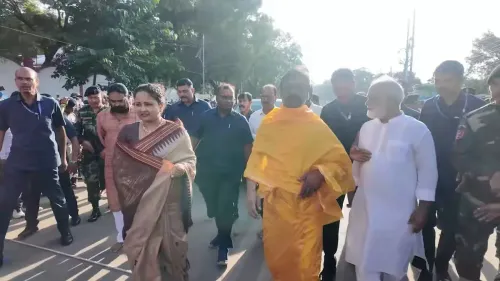
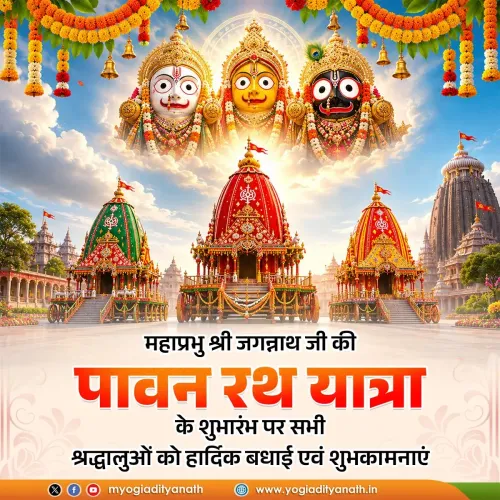
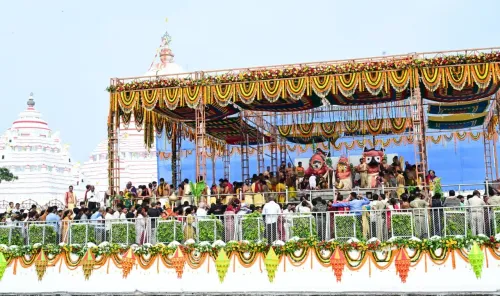
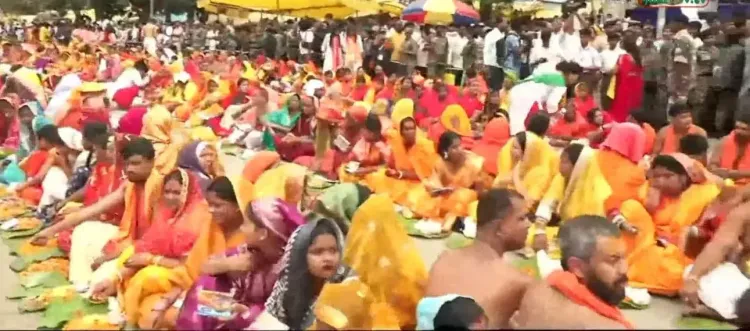
Ranchi's 335th Jagannath Rath Yatra rolled through the city on Thursday, 16 July, drawing lakhs of devotees in a grand procession steeped in faith, tradition, and communal harmony. The chariot carrying the idols of Lord Jagannath, his elder brother Balabhadra, and sister Subhadra set off from the historic Jagannathpur Temple in Ranchi, Jharkhand, marking another chapter in an unbroken tradition stretching back over three centuries.
The Procession and Rituals
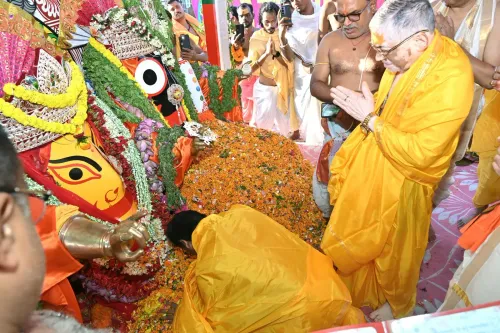
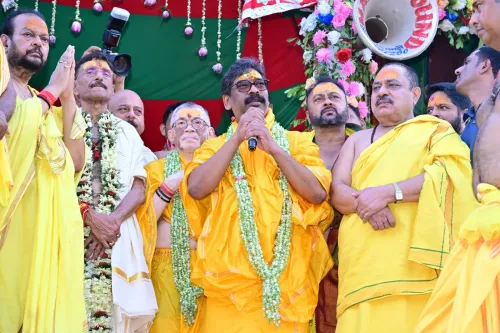
To the accompaniment of conch shells, devotional songs, and chants of 'Jai Jagannath', the three deities were ceremoniously installed on the ornate chariot following traditional rituals and special prayers. Thousands of devotees pulled the chariot with ropes along a nearly half-kilometre route to Mausibari — the symbolic abode of the deities' maternal aunt — where Lord Jagannath will remain for nine days, granting darshan to pilgrims, before returning to the main temple during the traditional Ghurti Rath Yatra.
Chief Minister Joins the Celebrations
Jharkhand Chief Minister Hemant Soren participated in the festivities and extended his wishes to the people of the state. He prayed that the blessings of Lord Jagannath, Lord Balabhadra, and Goddess Subhadra bring happiness, peace, prosperity, and good health to all. Soren said the Rath Yatra 'inspires people to walk the path of service, social harmony, faith, and humanity.'
A Tradition Dating Back to 1691
The Ranchi Rath Yatra is regarded as one of the oldest such processions in the country. Its origins trace to 1691, when Nagvanshi ruler Aninath Shahdeo drew inspiration from the famed Jagannath Temple in Puri and constructed the Jagannathpur Temple atop a hill in Ranchi. Shahdeo subsequently initiated the Rath Yatra tradition, which has continued uninterrupted for over three centuries and today forms an integral part of Jharkhand's cultural and religious identity.
The architecture and rituals of the Jagannathpur Temple closely mirror those of the Puri original. The wooden idols are worshipped according to age-old customs, and for devotees, pulling the sacred chariot is considered an act of immense spiritual merit.
Symbol of Communal Harmony
One of the Ranchi Rath Yatra's most enduring features is its message of social cohesion. For generations, people from different castes and communities have held traditional roles in organising and managing the festival, transforming it into a symbol of cultural heritage, inclusivity, and communal goodwill — well beyond its religious significance.
Nine-Day Fair and Regional Footfall
The nine-day fair accompanying the Rath Yatra is expected to draw large numbers of visitors from across Jharkhand and neighbouring states, further amplifying the festive spirit around one of the region's most cherished religious events. As the procession concluded its outward journey on Thursday, Ranchi once again demonstrated why this ancient tradition endures as a living emblem of devotion and unity.
Point of View
Making it a working model of inclusive tradition rather than a symbolic gesture. In an era when communal fault lines are frequently instrumentalised, Ranchi's Rath Yatra offers a counterpoint rooted not in political messaging but in lived practice. The question worth asking is whether this model of participatory heritage management is documented, protected, and passed on — or whether it quietly erodes as urbanisation accelerates.
NationPress
15 Oct 2026
Frequently Asked Questions
What is the Ranchi Jagannath Rath Yatra?
The Ranchi Jagannath Rath Yatra is an annual religious procession held at the Jagannathpur Temple in Ranchi, Jharkhand. In 2025, it completed its 335th edition, making it one of the oldest such processions in India outside Odisha.
When did the Ranchi Rath Yatra tradition begin?
The tradition dates to 1691, when Nagvanshi ruler Aninath Shahdeo constructed the Jagannathpur Temple in Ranchi, inspired by the Jagannath Temple in Puri, and initiated the Rath Yatra. It has continued uninterrupted for over three centuries.
What happens during the nine days after the Rath Yatra procession?
After the procession, the idols of Lord Jagannath, Balabhadra, and Subhadra remain at Mausibari — the symbolic abode of the deities' maternal aunt — for nine days, granting darshan to devotees. They return to the Jagannathpur Temple during the Ghurti Rath Yatra.
Did Jharkhand Chief Minister Hemant Soren attend the 2025 Rath Yatra?
Yes, Chief Minister Hemant Soren participated in the celebrations on 16 July 2025. He prayed for happiness, peace, prosperity, and good health for all, and said the Rath Yatra 'inspires people to walk the path of service, social harmony, faith, and humanity.'
Why is the Ranchi Rath Yatra significant beyond religion?
The Ranchi Rath Yatra is widely regarded as a symbol of communal harmony, with people from different castes and communities holding traditional roles in organising the festival for generations. The accompanying nine-day fair also draws visitors from across Jharkhand and neighbouring states, reinforcing its cultural and social importance.