Jharkhand CMO opens Draft Textile & Footwear Policy 2026 for public input
Synopsis
The Chief Minister's Office of Jharkhand has opened the Draft Textile, Apparel and Footwear Policy 2026 for public consultation. The move signals the Hemant Soren government's push to diversify the mineral-dependent state economy into labour-intensive manufacturing, inviting industry, workers, and civil society to shape the final policy.
Key Takeaways
The Chief Minister's Office of Jharkhand announced on 4 July 2026 that the Draft Jharkhand Textile, Apparel and Footwear Policy, 2026 is open for public consultation.
All stakeholders — including textile MSMEs, apparel manufacturers, footwear producers, and rural artisans — are invited to submit suggestions and feedback.
The policy is part of the Hemant Soren -led JMM government's effort to diversify Jharkhand's mineral-based economy into labour-intensive manufacturing.
The draft builds on the Jharkhand Industrial and Investment Promotion Policy, 2021 , adding a sector-specific framework for textiles, apparel and footwear.
Similar sector-specific policies in states like Tamil Nadu , Gujarat and Uttar Pradesh have been used to attract investment aligned with central production-linked incentive schemes.
The outcome of the consultation will determine the final incentive structure, infrastructure provisions, and potential for textile park announcements.
The Chief Minister's Office of Jharkhand on Saturday, 4 July 2026 announced that the Draft Jharkhand Textile, Apparel and Footwear Policy, 2026 is now open for public consultation, inviting stakeholders across the sector to submit suggestions and feedback toward building a textile-based economy in the state.
Context
The CMO's post, addressed to Chief Minister Hemant Soren, states: 'We invite all stakeholders to share their suggestions and feedback as we work to build a vibrant textile-based economy and create new opportunities in Jharkhand.' The public consultation marks a formal step in the state's policymaking process, allowing industry players, workers, and civil society to shape the final document before it is notified. Jharkhand, an eastern Indian state whose economy has historically been anchored in mineral extraction, has been seeking to diversify into labour-intensive manufacturing sectors. A dedicated textile, apparel and footwear policy represents one of the more significant structural bets the Hemant Soren-led JMM government has made in that direction.Policy Backdrop
The draft policy follows the Jharkhand Industrial and Investment Promotion Policy, 2021, which set out a broad framework for attracting manufacturing investment and generating employment in the state. The new sector-specific instrument is intended to go further by targeting the textile and apparel value chain — from raw fibre and weaving to garment manufacturing and footwear — with dedicated incentives and infrastructure support. Across India, states such as Tamil Nadu, Gujarat and Uttar Pradesh have issued similar sector-specific policies, often aligning them with central government production-linked incentive schemes to attract large-scale investment. Jharkhand's move fits this broader pattern of states competing to position themselves as manufacturing destinations in a labour-intensive sector that employs millions nationally.Stakeholders and Impact
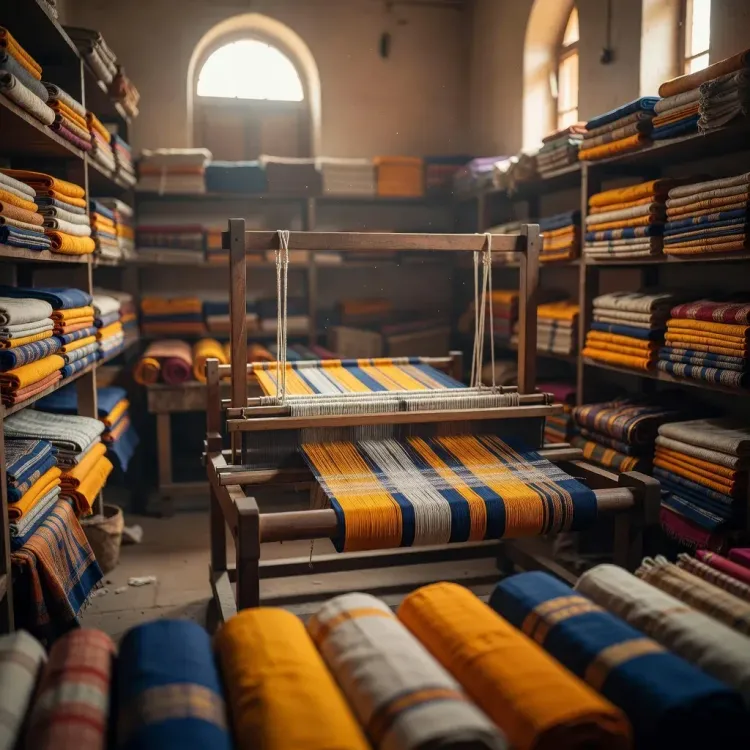
The policy, once finalised, is expected to affect a wide range of stakeholders: textile MSMEs, apparel and footwear manufacturers, rural artisans, and the broader workforce in semi-urban and rural Jharkhand. The consultation window is particularly significant for smaller enterprises and worker collectives who rarely get early input into state industrial policy. For rural artisans — including those engaged in traditional weaving and craft-based textile work — a supportive policy framework could mean formalised access to credit, infrastructure, and market linkages. The apparel and footwear segments, being highly employment-intensive, could also offer a pathway for absorbing the state's large semi-skilled labour pool.What's Next
The immediate milestone is the close of the public consultation period, after which the state government is expected to incorporate feedback and move toward final notification of the policy. Analysts and industry bodies will watch closely for the specific incentive structures, land and infrastructure provisions, and any proposed textile park announcements that emerge in the final version. If the policy is notified with competitive incentives, it could set the stage for investor summits or memoranda of understanding with apparel and footwear manufacturers looking to diversify supply chains beyond established textile hubs. The success of the consultation process will, in large part, determine how broadly the final policy reflects ground-level needs.Point of View
Apparel and Footwear Policy 2026 for public consultation reflects a deliberate shift in the Hemant Soren government's economic strategy — from reactive mineral-revenue dependence to proactive manufacturing diversification. By inviting stakeholder input at the draft stage, the government signals an intent to build political and industry buy-in before notification, a process that has helped similar policies in Gujarat and Tamil Nadu gain faster implementation traction. The textile and footwear sectors are among the few labour-intensive industries where a late-entrant state like Jharkhand can realistically compete, given its large semi-skilled workforce and relatively lower land costs. How robust the final incentive architecture turns out to be will reveal whether this is a structural economic pivot or a signalling exercise ahead of the electoral cycle.
NationPress
3 Oct 2026
Frequently Asked Questions
What is the Draft Jharkhand Textile, Apparel and Footwear Policy 2026?
It is a proposed state policy by the Jharkhand government to promote the textile, apparel and footwear industries through dedicated incentives, infrastructure support, and investment facilitation, aimed at diversifying the state's mineral-dependent economy.
How can stakeholders participate in the Jharkhand textile policy consultation?
The Chief Minister's Office of Jharkhand has invited all stakeholders — including industry players, MSMEs, workers, and artisans — to share their suggestions and feedback through the public consultation process announced on 4 July 2026.
Why is Jharkhand introducing a textile and footwear policy?
Jharkhand's economy has historically relied on mineral extraction, and the Hemant Soren government is seeking to diversify into labour-intensive manufacturing sectors like textiles and footwear to generate broader employment and industrial growth.
What is the policy background behind this draft textile policy?
The draft builds on the Jharkhand Industrial and Investment Promotion Policy, 2021, which provided a broad manufacturing investment framework. The new policy adds a sector-specific layer targeting the textile, apparel and footwear value chain.
Which other Indian states have similar textile or apparel policies?
States such as Tamil Nadu, Gujarat and Uttar Pradesh have issued sector-specific textile or apparel policies, often aligning them with central government production-linked incentive schemes to attract large-scale investment.