Dr. Jitendra Singh Highlights J&K's Transformation Under 12 Years of Modi Govt
Synopsis
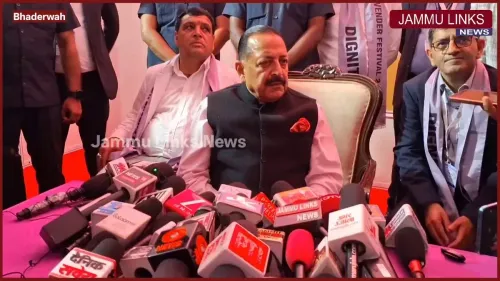
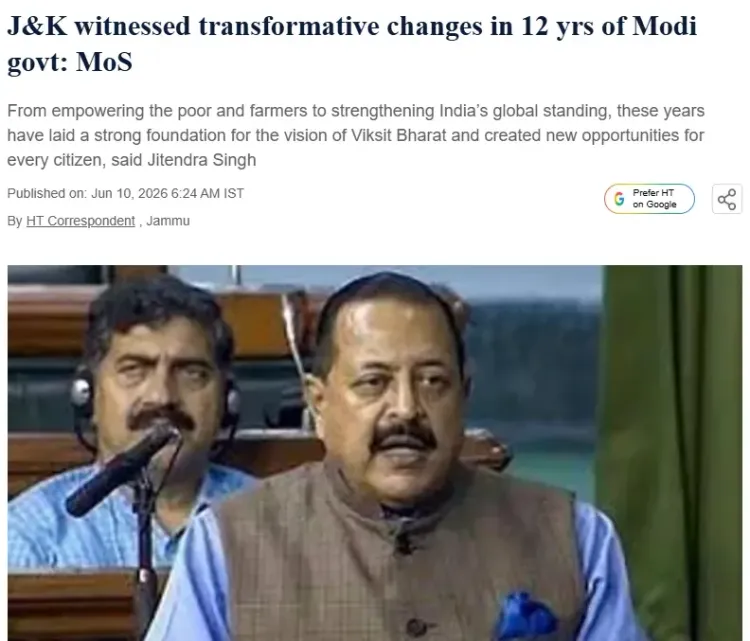
Union Minister Dr. Jitendra Singh on June 11, 2026 highlighted transformative changes in Jammu and Kashmir over twelve years of the Modi government, sharing a report under the #12YearsofSeva campaign marking a decade-plus of BJP-led central rule.
Key Takeaways
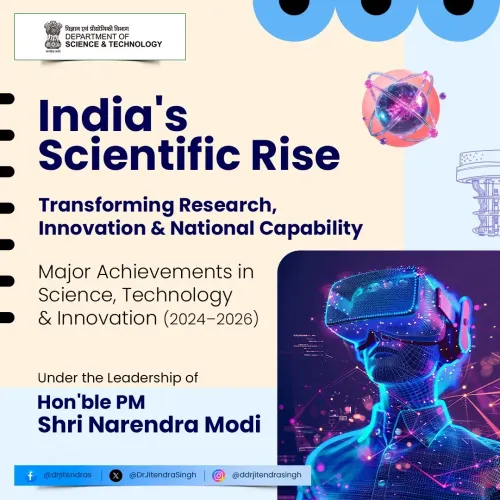
Jitendra Singh , Union Minister for Science and Technology and MoS in the PMO, amplified a report on J&K's transformation under twelve years of the Modi government on June 11, 2026 .
The post is part of a broader #12YearsofSeva campaign marking Narendra Modi's twelve years as Prime Minister since May 2014 .
Article 370 was revoked in August 2019 , reorganising J&K into two Union Territories and enabling uniform application of central laws and schemes.
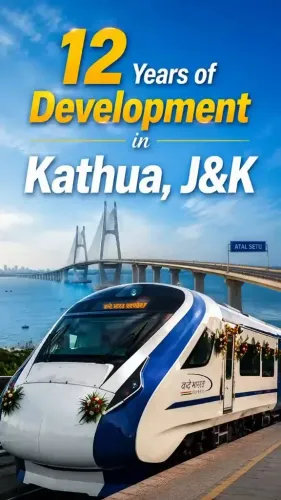
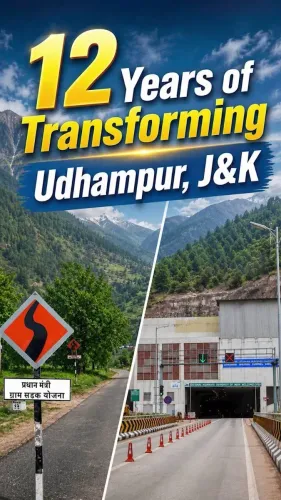
Key focus areas cited by the government include infrastructure (roads, tunnels, power), tourism , and youth employment in the Union Territory.
The question of full statehood restoration for J&K and upcoming budget allocations remain key political and policy markers to watch.
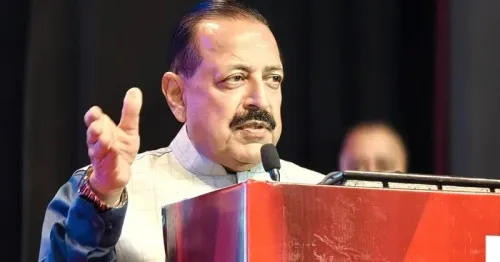
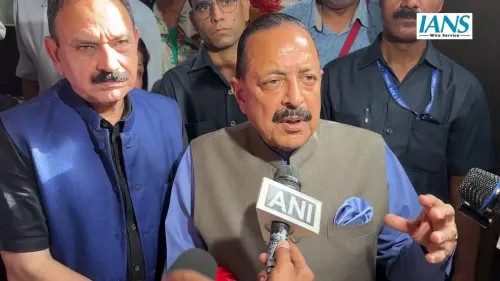
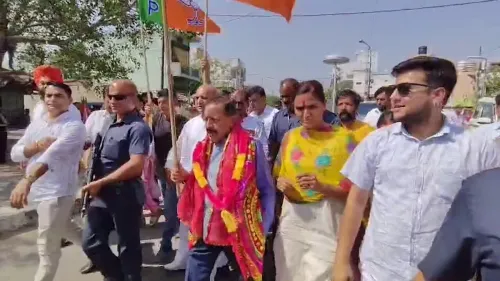
Union Science and Technology Minister Dr. Jitendra Singh on Thursday, June 11, 2026, shared a report underscoring what the government describes as transformative changes in Jammu and Kashmir over the twelve years of the Narendra Modi-led administration, using the hashtag #12YearsofSeva (12 years of service) to mark the occasion.
Context
Dr. Jitendra Singh, who holds charge of Science and Technology, Earth Sciences, and also serves as Minister of State in the Prime Minister's Office, has been one of the most vocal advocates for the central government's J&K agenda. As a parliamentarian from the Udhampur constituency in Jammu, he has consistently highlighted policy shifts in the region. His post on June 11 amplified coverage of the government's twelve-year record in J&K under the #12YearsofSeva campaign.
The post arrives as the ruling dispensation marks twelve years since Narendra Modi first assumed office as Prime Minister in May 2014. The anniversary has been accompanied by a coordinated social media push by ministers and BJP leaders cataloguing what they describe as landmark achievements across sectors.
Policy Backdrop
The most consequential policy shift in Jammu and Kashmir during this period was the revocation of Article 370 in August 2019, which stripped the region of its special constitutional status. Parliament simultaneously passed legislation reorganising the former state into two Union Territories — Jammu and Kashmir (with a legislature) and Ladakh (without one) — placing both under direct central administration.
Since 2014, the central government has extended a wide range of centrally sponsored schemes uniformly to J&K, including infrastructure programmes under Bharatmala covering roads and tunnels, as well as power and connectivity projects. The reorganisation in 2019 removed prior constitutional barriers that had limited the applicability of several national laws and welfare schemes to the region.
The period has also seen sustained central focus on tourism promotion and youth employment in the Union Territory, with J&K residents, the local tourism sector, and the region's youth identified as the primary stakeholders of the developmental push.
Stakeholders and Impact
For J&K residents, the twelve-year period has meant both significant administrative change and expanded access to centrally funded schemes previously unavailable under the old constitutional arrangement. Supporters of the government's approach point to improved physical connectivity, including new road and tunnel projects, as tangible outcomes.
The local tourism sector has been a particular focus of the government's narrative, with officials frequently citing growth in visitor numbers to Kashmir and Jammu as evidence of normalisation and development. J&K youth have been targeted through employment and skill-development schemes extended after the 2019 reorganisation.
Critics and opposition parties, however, have raised concerns about the democratic status of the region, pointing to the continued absence of full statehood and the extended period of direct central rule before the restoration of an elected assembly.
What's Next
Attention in Jammu and Kashmir is expected to turn to budget allocations and scheme implementation benchmarks for the Union Territory in the coming months. The pace of infrastructure project completion, particularly road and tunnel connectivity in the Jammu division, will be closely watched as indicators of whether the government's twelve-year developmental narrative translates into measurable ground-level outcomes. The question of full statehood restoration for J&K, promised by the central government, also remains a significant political and constitutional marker for the region's future.
Point of View
Who represents Udhampur, J&K messaging is both a policy brief and an electoral asset. The #12YearsofSeva campaign signals that the ruling party intends to contest the governance debate in J&K aggressively, particularly as statehood restoration and assembly dynamics remain live issues. The framing of 'transformation' without specific verifiable metrics reflects the broader challenge: translating a macro policy record into granular accountability.
NationPress
26 Oct 2026
Frequently Asked Questions
What changes did J&K see in 12 years of the Modi government?
The central government points to the revocation of Article 370 in August 2019, reorganisation of J&K into two Union Territories, expansion of infrastructure schemes including roads and tunnels, and extension of centrally sponsored welfare programmes to the region as the key changes over twelve years.
Why did Dr. Jitendra Singh post about J&K transformation?
Dr. Jitendra Singh shared the post as part of the #12YearsofSeva campaign marking twelve years of the Narendra Modi-led government since May 2014, highlighting the administration's record in Jammu and Kashmir.
What is #12YearsofSeva?
#12YearsofSeva is a social media campaign by BJP leaders and Union ministers marking twelve years since Narendra Modi became Prime Minister in May 2014, cataloguing what the government describes as its achievements across various sectors.
What happened to Article 370 and what was its impact on J&K?
Article 370, which gave Jammu and Kashmir special constitutional status, was revoked by Parliament in August 2019. The region was simultaneously reorganised into two Union Territories — Jammu and Kashmir, and Ladakh — enabling uniform application of Indian laws and central schemes.
When will Jammu and Kashmir get full statehood back?
The central government has promised restoration of full statehood to Jammu and Kashmir, but no specific date has been announced. It remains a significant political and constitutional issue being watched by residents, opposition parties, and the courts.