Jitendra Singh, Nadda meet Sonam Wangchuk at Medanta

Synopsis
Union Ministers Dr. Jitendra Singh and JP Nadda met Sonam Wangchuk at Medanta Hospital, Gurugram, on 25 July 2026, assuring constructive government dialogue on Ladakhi students' concerns. Following the assurance, Wangchuk ended his fast. The government pledged strict action against those compromising students' futures.
Key Takeaways
Jitendra Singh and JP Nadda visited Sonam Wangchuk at Medanta Hospital, Gurugram on 25 July 2026 .
The meeting centred on students' concerns raised by Wangchuk, who had been on a fast.
The government assured 'constructive dialogue and positive intervention,' prompting Wangchuk to end his fast.
PM Narendra Modi 's government pledged justice for students and strict action against those compromising their future.
The intervention follows a pattern of direct central engagement with Ladakhi civil society over unresolved governance and constitutional safeguard demands since 2019 .
Follow-up dialogue with Ladakh representatives and relevant ministries is expected in the coming weeks.
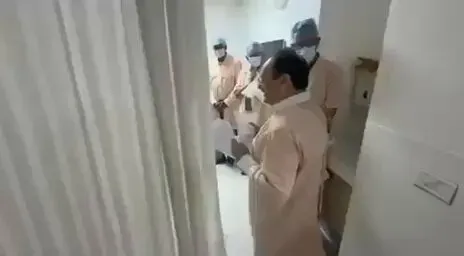
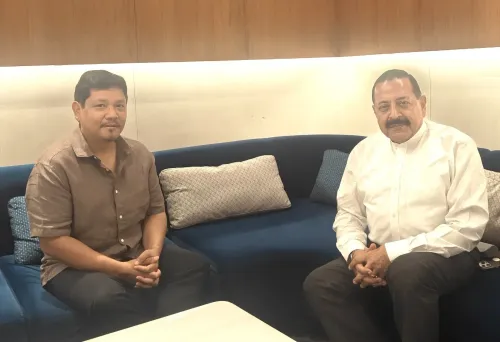
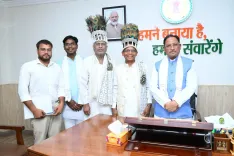
Union Science and Technology Minister Dr. Jitendra Singh and Union Health Minister Shri Jagat Prakash Nadda visited Medanta Hospital, Gurugram, on Friday, 25 July 2026, to meet Ladakhi activist and educator Sonam Wangchuk, who had been on a fast over students' concerns. Following a detailed discussion and government assurances of constructive dialogue and positive intervention, Wangchuk decided to end his fast.
Context
Sonam Wangchuk, the Ladakhi engineer, education reformer and founder of SECMOL, had undertaken the fast to press the central government on issues affecting students in the region. The two senior ministers travelled to Medanta Hospital in Gurugram, Haryana, to engage with him directly — an unusual step that signals the government's intent to resolve the agitation before it escalated further.
Dr. Jitendra Singh posted on X that the meeting involved 'a detailed discussion on students' concerns' and that the government had assured 'a constructive dialogue and positive intervention,' following which Wangchuk chose to break his fast.
Policy Backdrop
Ladakh's political and administrative status has been a persistent flashpoint since August 2019, when the Jammu and Kashmir Reorganisation Act carved out Ladakh as a separate Union Territory without a legislature. Civil society groups, led in part by Wangchuk, have repeatedly demanded inclusion under the Sixth Schedule of the Constitution, which would grant greater autonomy and tribal protections to the region's people.
Between 2023 and 2024, the Centre constituted a high-powered committee to examine Ladakh's demands for constitutional safeguards and employment protections. Student-related concerns — including competitive examination access, reservations, and job opportunities — have been a recurring thread in the broader Ladakh agitation, reflecting anxieties among the region's youth about their future under direct central administration.
Stakeholders and Impact
Ladakhi students and youth are the primary stakeholders in the concerns Wangchuk raised. The region's young population faces distinct challenges: limited local government employment, geographic isolation, and competitive pressures in national examinations without the legislative backing that statehood or Sixth Schedule status would provide.
The direct intervention by two cabinet-level ministers — including the Union Health Minister, whose presence at a hospital meeting carries symbolic weight — underscores the political sensitivity of the issue. Wangchuk commands significant public credibility both within Ladakh and nationally, and a prolonged fast would have drawn sustained attention to the region's unresolved governance questions.
Dr. Jitendra Singh reaffirmed that under Prime Minister Narendra Modi's leadership, 'the government remains committed to ensuring justice for students and strict action against anyone who tries to compromise their future' — language that signals both a promise to the agitating community and a warning to those perceived as acting against student interests.
What's Next
The government's assurance of 'constructive dialogue' is likely to be tested in follow-up meetings between Ladakh civil society representatives and the relevant ministries, potentially including the Ministry of Home Affairs and the committee examining constitutional safeguards. Observers will watch whether these assurances translate into concrete policy steps — such as formal notifications on student reservations or a renewed push on Sixth Schedule inclusion — before the next session of Parliament.
The episode reinforces a pattern of the central government resolving high-profile protests in sensitive border Union Territories through direct ministerial engagement and pledges of dialogue, deferring structural decisions to future deliberative processes. Whether this intervention marks a turning point or a temporary pause in Ladakh's long-running governance dispute will depend on the pace and substance of the promised follow-through.
Point of View
Suggesting the Centre is again buying time rather than committing to structural change. For the BJP, managing Wangchuk's profile is politically delicate: he commands cross-partisan respect and his concerns resonate beyond Ladakh. The outcome will be judged not by the meeting itself but by whether student-related assurances appear in concrete policy notifications before the next parliamentary session.
NationPress
24 Jul 2026
Frequently Asked Questions
Why did Sonam Wangchuk end his fast in July 2026?
Sonam Wangchuk ended his fast after Union Ministers Dr. Jitendra Singh and JP Nadda visited him at Medanta Hospital, Gurugram, and assured him of constructive government dialogue and positive intervention on students' concerns.
What are the students' concerns Sonam Wangchuk raised with the government?
While the specific concerns were not detailed in the ministerial statement, they relate to broader Ladakhi student issues including competitive examination access, employment opportunities, and constitutional protections for the region's youth under Union Territory administration.
Where did the meeting between Jitendra Singh and Sonam Wangchuk take place?
The meeting took place at Medanta Hospital in Gurugram, Haryana, where Wangchuk was being monitored during his fast.
What is Sonam Wangchuk's connection to Ladakh's governance demands?
Sonam Wangchuk is a prominent Ladakhi engineer, educator and founder of SECMOL who has been a leading voice demanding Sixth Schedule constitutional protections and greater autonomy for Ladakh since it became a Union Territory without a legislature in 2019.
What has the government promised on Ladakh's constitutional safeguards?
The government constituted a high-powered committee in 2023-24 to examine demands including Sixth Schedule inclusion. The July 2026 ministerial assurance of 'constructive dialogue' is the latest in a series of such commitments, with formal outcomes still awaited.