Pralhad Joshi Challenges Karnataka's Backward EV Policy Decisions
Synopsis
Union Minister Pralhad Joshi has condemned Karnataka's latest electric vehicle policy, claiming it undermines clean energy initiatives and financially burdens the middle class. He urges the state to reconsider its approach amidst a national push towards sustainability.
Key Takeaways
Pralhad Joshi critiques Karnataka's EV policy as regressive.
Removal of tax exemptions and introduction of lifetime tax burdens the middle class.
Karnataka is perceived to be discouraging clean energy adoption.
Other states are promoting EVs through incentives, unlike Karnataka.
Joshi warns this could undermine national sustainability efforts.
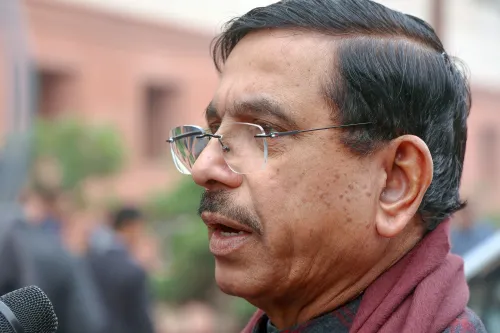
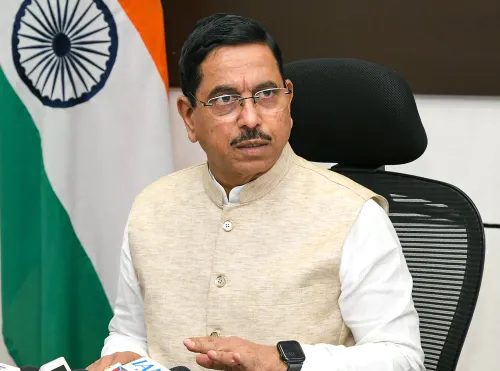
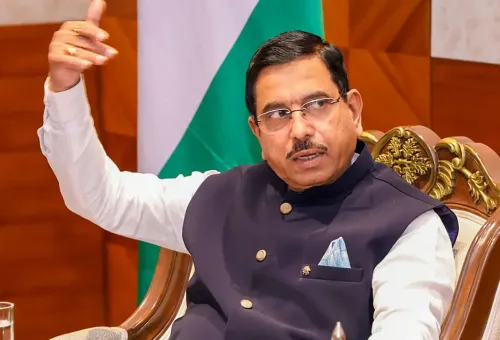
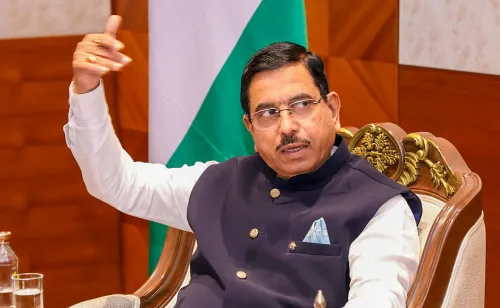
New Delhi/Bengaluru, April 3 (NationPress) Union Minister for New and Renewable Energy Pralhad Joshi has sharply criticized the recent electric vehicle (EV) policy changes made by the Karnataka government, claiming the state is regressing in its clean energy efforts.
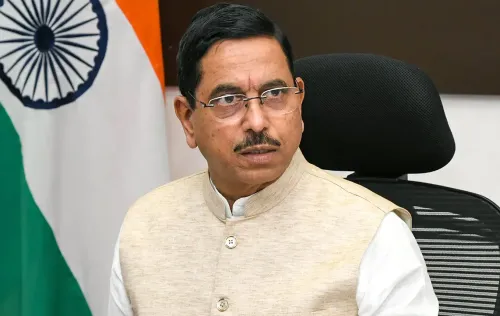
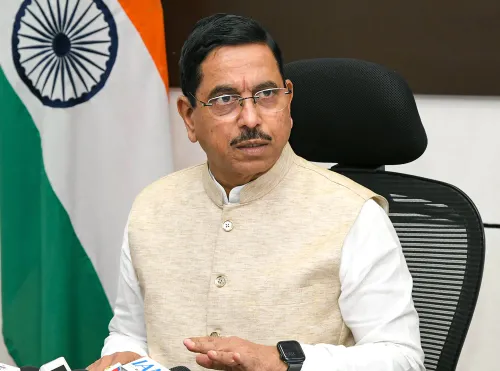
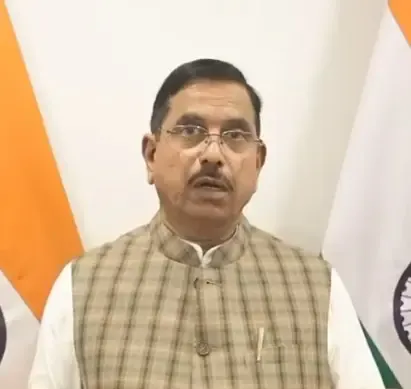
In a video statement released on Friday from Joshi's office, he reacted to the state's decision to eliminate tax exemptions for EVs and implement a lifetime road tax. Joshi described this move as a “backward step from reforms” and expressed concern that it would impose greater financial strain on the middle class.
He queried why Karnataka was “shifting into reverse gear” when the rest of the nation and the world are making strides towards clean energy alternatives.
The minister remarked that this decision signifies a major reversal in the state's EV policy. He noted that while other states are effectively promoting EV adoption through tax incentives and supportive measures, Karnataka seems to be dissuading the use of environmentally friendly energy options.
Minister Joshi argued that this decision would increase the cost of electric vehicles, making them less accessible to the general populace, particularly the middle class.
He warned that such policies could hinder EV adoption in the state rather than promoting it.
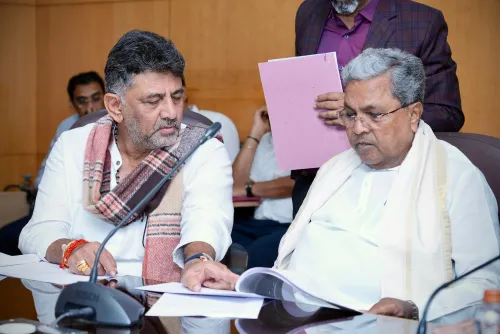
In his critique of the Congress-led government, Joshi asserted that Karnataka, once a leader in clean transportation innovation, is now regressing due to what he termed “anti-people, anti-innovation, and anti-technology policies.”
He further stated that the state government is prioritizing revenue generation over sustainable development.
The Union Minister also connected this decision to the state's financial situation, claiming the introduction of a lifetime tax is a strategy to boost revenue.
Joshi accused the state government of indirectly promoting the use of diesel and petrol by making electric vehicles less affordable, suggesting that the reliance on fuel-based tax revenue is being leveraged to resolve financial issues.
He emphasized that the entire nation is moving towards sustainable and clean energy solutions and expressed apprehension that Karnataka's actions could jeopardize long-term environmental objectives.
He called on the Congress government of the state to reevaluate its stance, cautioning that such policies could obstruct the vision for a sustainable future.
Point of View
The criticism of Karnataka's electric vehicle policy highlights a growing concern among policymakers and environmental advocates regarding the state's commitment to clean energy. The contrasting approaches of various states in promoting EV adoption could have long-term implications for India's environmental goals.
NationPress
7 Oct 2026
Frequently Asked Questions
What did Pralhad Joshi criticize about Karnataka's EV policy?
Pralhad Joshi criticized Karnataka's decision to withdraw tax exemptions for EVs and impose a lifetime road tax, claiming it is a step backward for clean energy initiatives.
Why does Joshi believe this policy could hinder EV adoption?
He argues that making electric vehicles more expensive will deter common people, particularly the middle class, from adopting EVs.
What does Joshi say about Karnataka's previous status in clean transportation?
Joshi noted that Karnataka was once a leader in clean transportation but is now regressing due to unfavorable policies.
What link did Joshi make between the tax changes and the state's financial condition?
Joshi suggested that the lifetime tax was a strategy to increase revenue for the state government, reflecting financial challenges.
What does Joshi urge the Karnataka government to do?
He calls on the Congress government to reconsider its approach to EV policy to align with the national push for sustainable energy.