Pralhad Joshi: India lacks ethanol for 39% blending, slams Karnataka govt
Synopsis
Union Minister Pralhad Joshi publicly dismantled Karnataka's claim that petrol in the state contains up to 39% ethanol — pointing out that India simply doesn't produce enough ethanol for such blending levels. With OMC tests showing Karnataka samples averaging just 19.30%, the row has become a flashpoint in the BJP-Congress political battle, with Joshi accusing the state of flawed testing procedures and an anti-farmer agenda.
Key Takeaways
Union Minister Pralhad Joshi on 9 November 2026 rejected Karnataka's claims of 26–39% ethanol in petrol, saying India lacks production capacity for such levels.
Joshi cited 893 fuel samples tested across 27 states and UTs — all compliant with the prescribed 19–21% ethanol range.
All 56 Karnataka samples tested by OMCs recorded 19–20% ethanol , averaging 19.30% .
The minister questioned the credentials of the Shriram Research Institute and alleged legally invalid sample collection procedures by the state.
Joshi said 1.66 crore farmers have received payments from ethanol production, with the programme generating savings of ₹1.94 lakh crore .
Ethanol is priced at ₹56.70 per litre versus petrol's base price of ₹53 , making excess blending financially unviable for OMCs, Joshi argued.
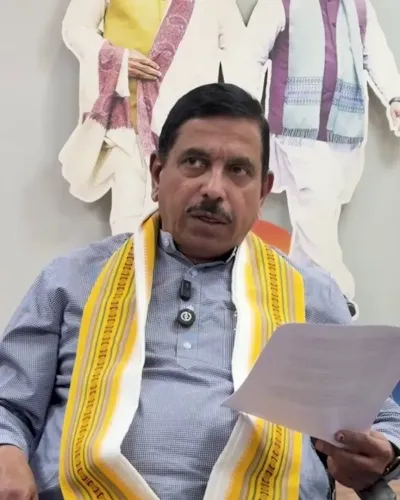
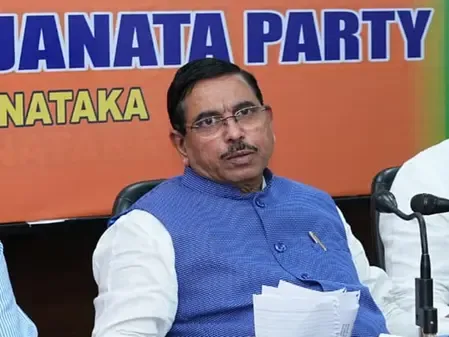
Union Minister for New and Renewable Energy Pralhad Joshi on Monday, 9 November 2026, sharply rebutted the Karnataka government's claims that petrol sold in the state contained between 26 and 39 per cent ethanol, asserting that India does not produce enough ethanol to support such levels of blending. Speaking to reporters in Hubballi, Joshi accused the Indian National Congress (INC) of spreading what he called false propaganda without basic knowledge of the subject.
The Allegations and Joshi's Rebuttal
Joshi said Congress leaders had claimed petrol in Karnataka contained 39 per cent ethanol, calling it factually impossible. 'The Congress leaders have claimed that petrol contains 39 per cent ethanol. However, there is not even enough ethanol production in the country to support such a claim,' he said. He further alleged that the state government was making 'baseless allegations' that petrol contained between 26 and 31 per cent ethanol.
The minister maintained that oil marketing companies (OMCs) would incur losses if they blended ethanol at such high quantities, since ethanol is more expensive than petrol. He cited figures stating that petrol was priced at ₹53 per litre, while ethanol cost ₹56.70 per litre. 'If ethanol costs more than petrol, why would oil companies add it in higher quantities and incur losses?' he asked.
Questions Over Testing Process and Lab Credentials
Joshi challenged the validity of the Karnataka government's fuel sample testing exercise, alleging that the samples were not collected through a legally valid procedure. He said representatives of petroleum companies and the Centre were not invited during the testing process — a legal requirement, he argued, that mandates the presence of the petrol bunk owner and concerned officials during sample collection and testing.
The minister also questioned the credentials of the Shriram Research Institute, which the state government cited as the testing body, alleging that it was not listed among the eligible laboratories under Schedule 3 for petrol sample testing.
He noted that the Karnataka government had collected 63 fuel samples but released results for only 14, with reports from just six laboratories made public. Of those, 11 samples reportedly showed ethanol content ranging from 21 to 39 per cent, figures Joshi dismissed as unreliable given the procedural lapses he alleged.
National Test Results Cited in Defence
Countering the Karnataka findings, Joshi said a nationwide exercise covering 893 samples across 27 states and Union Territories — including 56 samples from Karnataka tested by the OMCs — found all results compliant with the prescribed 19–21 per cent ethanol range. Karnataka's OMC-tested samples, he said, recorded ethanol content of 19–20 per cent, with an average of 19.30 per cent. A separate national round of 896 samples, including 56 from Karnataka, also reportedly returned compliant reports.
Political Dimension: Farmers and Rahul Gandhi
Joshi broadened his attack to include Congress leader Rahul Gandhi, saying that opposition to ethanol blending amounted to opposition to farmers. He said around 1.66 crore farmers had received payments linked to ethanol production, and that the blending programme had resulted in savings of ₹1.94 lakh crore. 'Rahul Gandhi and the Karnataka Congress government, which are opposing ethanol production and blending, should answer whether they are against farmers,' he said.
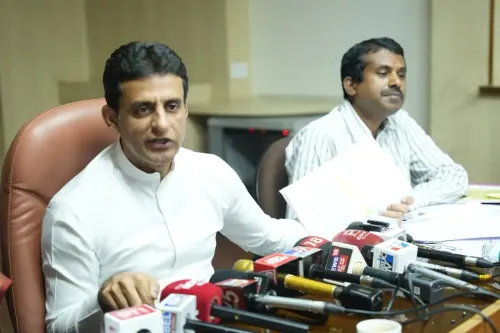
He also alleged that the state was imposing nearly ₹30 in taxes on petrol and diesel — on a base price of ₹53 — while accusing the Centre of leading the charge on the Atmanirbhar Bharat energy self-reliance push. In a post on social media platform X, Joshi described Karnataka Minister Rizwan Arshad's press conference on ethanol blending as 'a classic case of choosing sensationalism over responsible governance.'
This row comes amid a broader political standoff between the BJP-led Centre and the Congress-led Karnataka government on multiple issues, including the alleged sting operation controversy and the SIR row. The ethanol dispute now adds an energy-policy front to that ongoing friction.
Point of View
Legally airtight fuel-testing protocol leaves room for competing sample results to be weaponised politically. The Karnataka government's decision to release only 14 of 63 samples is itself a transparency problem that neither side has adequately addressed. At its core, this row is less about fuel quality and more about which level of government controls the narrative on energy policy — and that contest is likely to intensify ahead of electoral cycles.
NationPress
9 Nov 2026
Frequently Asked Questions
What is the ethanol blending controversy between Pralhad Joshi and the Karnataka government?
The Karnataka government alleged that petrol sold in the state contained between 26 and 39 per cent ethanol, far above the prescribed limit. Union Minister Pralhad Joshi rejected this on 9 November 2026, stating that India does not produce enough ethanol to support such blending levels, and that OMC-tested samples from Karnataka showed an average of just 19.30 per cent.
What do India's national fuel sample test results show about ethanol content?
According to Joshi, 893 fuel samples tested across 27 states and Union Territories all complied with the prescribed 19–21 per cent ethanol range. All 56 Karnataka samples tested by oil marketing companies recorded 19–20 per cent ethanol, with an average of 19.30 per cent.
Why did Joshi question the Karnataka government's testing process?
Joshi alleged that samples were not collected through a legally valid procedure, as representatives of petroleum companies and the Centre were not present during testing — a legal requirement. He also questioned the credentials of the Shriram Research Institute, alleging it is not listed under Schedule 3 as an eligible lab for petrol testing.
Why is ethanol blending at 39% considered financially unviable for oil companies?
Ethanol is priced at ₹56.70 per litre, which is higher than petrol's base price of ₹53. Blending ethanol at higher-than-mandated levels would therefore result in direct losses for oil marketing companies, making Joshi's argument that such blending would not occur voluntarily.
What is the significance of ethanol blending for Indian farmers?
According to Joshi, around 1.66 crore farmers have received payments linked to ethanol production, and the blending programme has generated savings of ₹1.94 lakh crore. The Centre frames ethanol blending as a key pillar of both Atmanirbhar Bharat energy self-reliance and farmer income support.