Pralhad Joshi attends ICHR's Sardar Patel exhibition in Delhi
Synopsis
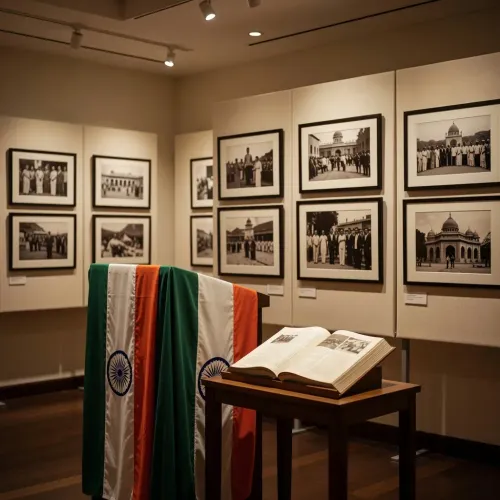
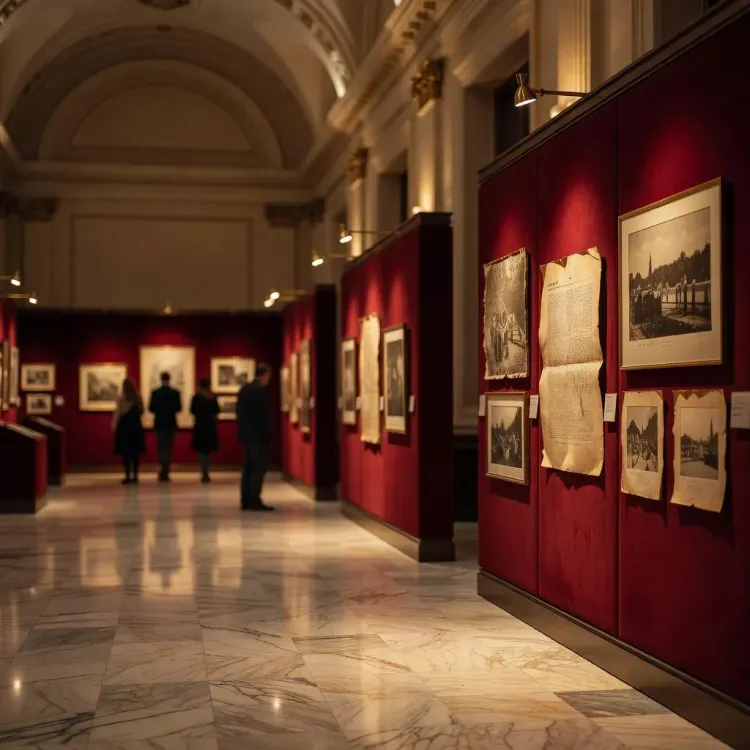
Union Minister Pralhad Joshi joined Home Minister Amit Shah at the Dr. Ambedkar International Centre in New Delhi for ICHR's inauguration of the 'Sardar Patel: Life and Times' exhibition and the launch of a brief biography of the Iron Man of India.
Key Takeaways
Union Minister Pralhad Joshi attended the ICHR-organised event at Dr.
Ambedkar International Centre, New Delhi on 1 November 2026 .
Union Home Minister Amit Shah presided over the inauguration of the exhibition and book launch.
The Indian Council of Historical Research (ICHR) organised both the 'Sardar Patel: Jeevan aur Samay' exhibition and the companion biography.
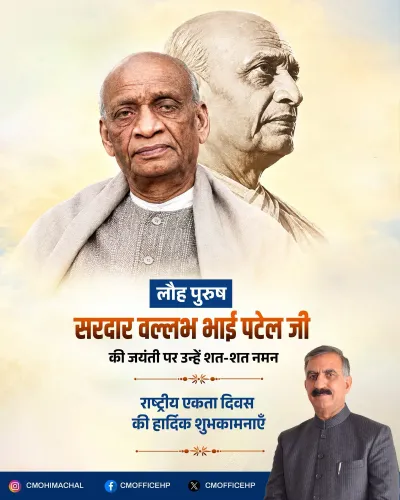
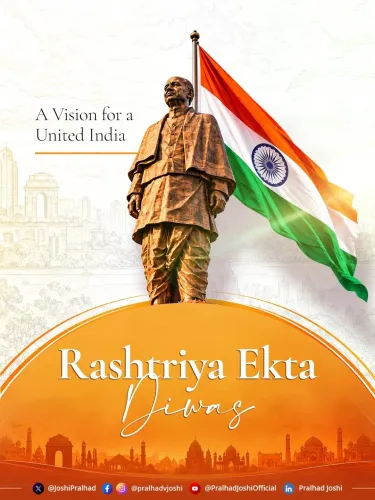
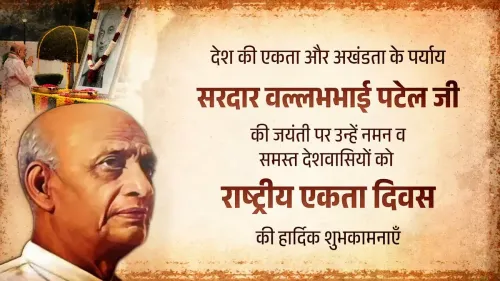
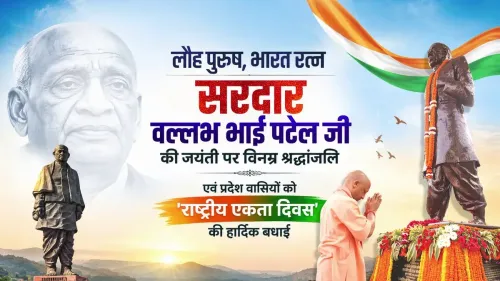
The event followed Rashtriya Ekta Diwas (31 October) , observed annually since 2014 on Sardar Patel's birth anniversary.
Sardar Patel is credited with integrating over 560 princely states into the Indian Union after Independence.
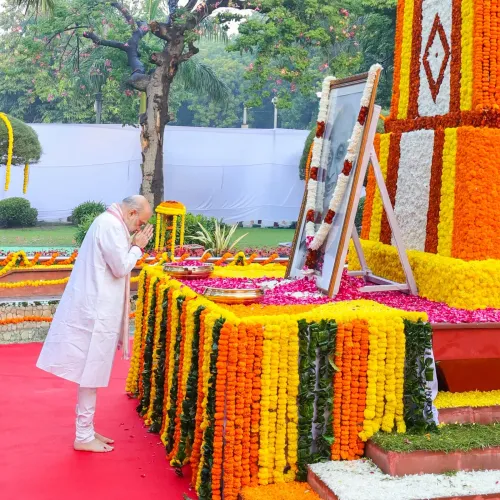
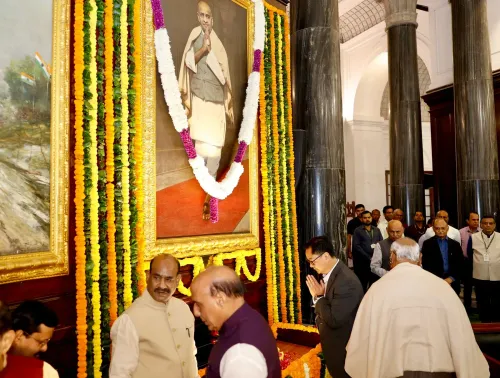
At the Dr. Ambedkar International Centre in New Delhi, history took centre stage on Sunday, 1 November 2026 — when the Indian Council of Historical Research (ICHR) unveiled both an exhibition and a biography dedicated to the man who stitched a fragmented subcontinent into a single republic. Union Minister Pralhad Joshi attended the inauguration of 'Sardar Patel: Jeevan aur Samay' ('Sardar Patel: Life and Times'), an exhibition organised by ICHR, and the launch of a companion volume, 'Sardar Patel: Ek Sankshipt Jivani' ('Sardar Patel: A Brief Biography'), graced by the presence of Union Home Minister Amit Shah.
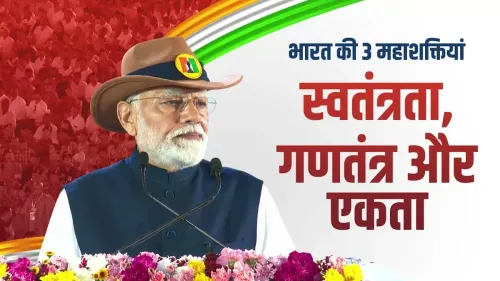
Sharing his experience on X, Joshi wrote that the exhibition and the book are dedicated to the extraordinary life, leadership, and invaluable contribution to nation-building of Sardar Vallabhbhai Patel — India's 'Iron Man'. He added that Patel's foresight and resolve in strengthening the unity and integrity of the country 'will always remain a source of inspiration for all of us.'
ICHR's tribute to the architect of India's integration
The Indian Council of Historical Research, an autonomous body under the Ministry of Education, has long been the institutional home for archival projects on independent India's founding figures. This event fits squarely into that tradition — bringing together primary documentation, curatorial scholarship, and a new accessible biography to present Patel's role in one of modern history's most remarkable feats: the integration of over 560 princely states into the Indian Union between 1947 and 1950.
The venue itself carries symbolic weight. The Dr. Ambedkar International Centre in New Delhi is a premier cultural and conference space named after another towering figure of the same era — underlining the event's framing as a celebration of the founding generation's collective legacy.
Rashtriya Ekta Diwas and the politics of memory
The timing is deliberate. 31 October marks Rashtriya Ekta Diwas — National Unity Day — observed annually since 2014 to commemorate Sardar Patel's birth anniversary. The ICHR event on 1 November sits in the immediate aftermath of that commemorative day, extending the public focus on Patel's contribution into a longer cultural moment.
Central governments have consistently supported exhibitions, publications, and memorials foregrounding Patel's role in territorial consolidation. These initiatives serve both a historical purpose — preserving archival material on the post-independence period — and a civic one, keeping the memory of integration alive for new generations of Indians.
With Home Minister Amit Shah lending his presence to the inauguration, the event signals continued high-level political commitment to documenting and celebrating this chapter of India's founding story. Patel's legacy — as first Deputy Prime Minister, first Home Minister, and the strategist behind princely-state integration — remains as contested and celebrated as ever in Indian public discourse.
An exhibition that places that story in archival form, open to historians and the general public alike, is one more effort to let the documents speak for themselves.
Point of View
The government simultaneously performs institutional respect for historical scholarship and reinforces a political identity rooted in integration and administrative strength. For ICHR, the dual format — exhibition plus accessible biography — broadens the audience beyond academic circles, a deliberate move to embed Patel's legacy in popular consciousness. Whether these programmes translate into deeper archival access or new primary research will be the real test of their scholarly ambition.
NationPress
1 Nov 2026
Frequently Asked Questions
What event did Pralhad Joshi attend on 1 November 2026?
Pralhad Joshi attended the ICHR-organised inauguration of the 'Sardar Patel: Life and Times' exhibition and the launch of a brief biography of Sardar Patel at the Dr. Ambedkar International Centre in New Delhi, where Home Minister Amit Shah was also present.
What is the ICHR and why did it organise this event?
The Indian Council of Historical Research (ICHR) is an autonomous body under the Ministry of Education that promotes historical studies. It organised the event as part of ongoing efforts to document the contributions of key national figures, timed to coincide with Rashtriya Ekta Diwas on 31 October.
What is Rashtriya Ekta Diwas and when is it observed?
Rashtriya Ekta Diwas, or National Unity Day, is observed every year on 31 October to commemorate the birth anniversary of Sardar Vallabhbhai Patel. It was instituted in 2014 to highlight Patel's contribution to India's unity and integrity.
Who was Sardar Vallabhbhai Patel and what is his legacy?
Sardar Vallabhbhai Patel was India's first Deputy Prime Minister and Home Minister, widely called the 'Iron Man of India'. He is credited with the integration of over 560 princely states into the Indian Union after Independence in 1947.
Where is the Dr. Ambedkar International Centre located?
The Dr. Ambedkar International Centre is a cultural and conference venue located in New Delhi, dedicated to Dr. B.R. Ambedkar, and serves as a prominent space for government and cultural events.