Joshimath helicopter crash kills 6; ex-CM Rawat demands safety inquiry
Synopsis
Six people are dead after a helicopter went down near Joshimath on 30 October 2026 — and it is not an isolated tragedy. Uttarakhand has recorded at least five fatal or near-fatal helicopter incidents since 2022, including multiple crashes during the 2025 Char Dham season. Former CM Harish Rawat is now demanding a probe, raising the urgent question of whether private operators and regulators have done enough to make India's most pilgrim-heavy airspace safe.
Key Takeaways
A helicopter crashed near Chai village, Joshimath, Uttarakhand on 30 October 2026 , killing all 6 people on board , including the pilot.
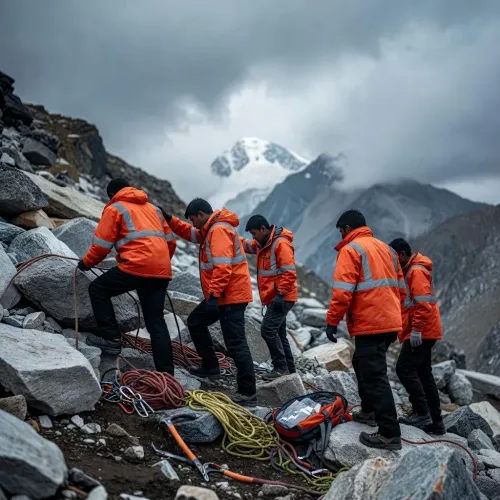
Bodies were recovered by joint teams of Uttarakhand Police , SDRF , and the Army .
Former CM Harish Rawat (Congress) demanded a formal inquiry, calling the pattern of repeated crashes 'alarming'.
Uttarakhand has recorded fatal helicopter crashes in October 2022 , May 2025 , and June 2025 , in addition to Friday's accident.
A 23-month-old infant was among the 7 victims of a June 2025 Gaurikund crash — one of several incidents tied to adverse weather and private operators.
Most recorded incidents have involved privately operated helicopters serving the Char Dham pilgrimage circuit.
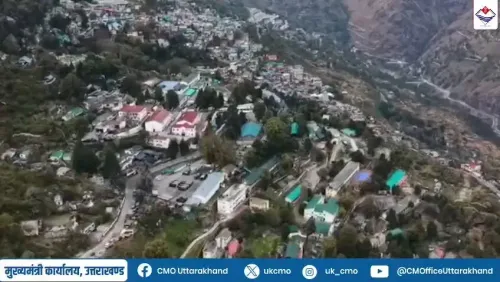
A helicopter crashed near Chai village, close to Joshimath in Uttarakhand, on 30 October 2026, killing all six people on board including the pilot. The disaster has reignited alarm over the state's deteriorating aviation safety record, prompting former Chief Minister and senior Congress leader Harish Rawat to demand a formal inquiry into the pattern of helicopter accidents plaguing the hill state.
Recovery Operations
Joint teams comprising the Uttarakhand Police, the State Disaster Response Force (SDRF), and the Army swung into action immediately after receiving news of the crash. The bodies of all six individuals, including the pilot, were subsequently recovered from the crash site. The helicopter was operated by a private aviation company at the time of the accident.
Rawat's Call for a Probe
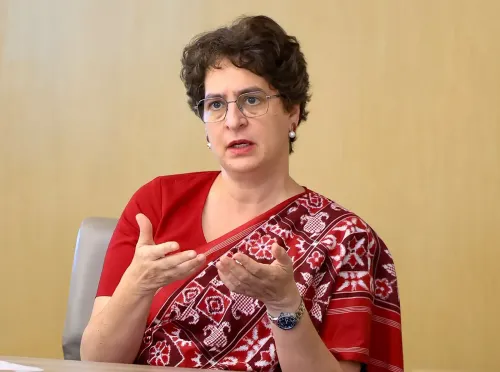
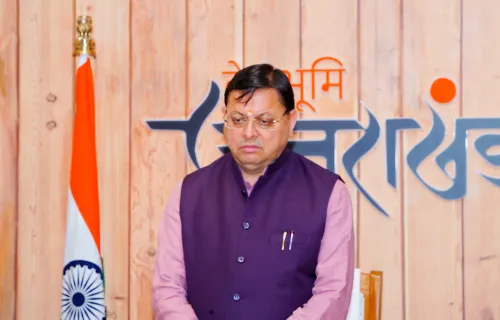
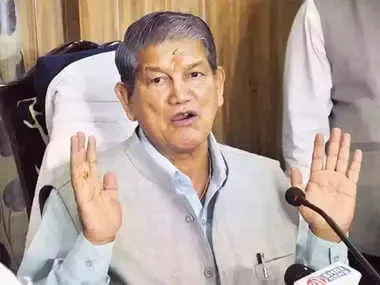
Reacting to the tragedy, former Chief Minister Harish Rawat did not mince words. 'Along with making our helicopter services competitive, we also need to make them safe and secure. An enquiry should be conducted and improvements should be made, based on the probe. This is extremely necessary because one after another, such incidents are taking place, which is alarming,' he said.
Rawat's intervention reflects a wider political anxiety over what critics describe as an absence of systemic corrective action despite repeated tragedies in Uttarakhand's skies.
A Troubling Pattern of Helicopter Crashes
Friday's crash is the latest in a grim sequence. On 18 October 2022, a private helicopter ferrying pilgrims to Kedarnath crashed on a hill in Rudraprayag district, killing seven people including the pilot. The state has also recorded multiple incidents within single months.
In May 2025 alone, at least three serious incidents were reported. On 8 May 2025, a privately operated helicopter crashed in Uttarkashi district while flying from Kharsali (Yamunotri) to Jhala (Gangotri) after a weather-induced hillside collision, killing six people. Later that month, a helicopter's blades struck a parked vehicle at the Badrinath helipad when the pilot lost control just after takeoff — narrowly averting a larger disaster with no casualties reported. On 17 May 2025, a 'Sanjeevani' heli ambulance operated by AIIMS Rishikesh made an emergency landing in Kedarnath after developing a technical snag; two doctors and a pilot on board were reported safe.
The incidents extended into June 2025. On 7 June 2025, a helicopter en route to Kedarnath made an emergency landing on a highway in Rudraprayag district after developing a technical issue during takeoff from the Sirsi helipad; a portion of the aircraft reportedly struck an empty stationary car below, though all six people on board, including the pilot, were safe. Just eight days later, on 15 June 2025, seven people — including a 23-month-old infant — were killed when a privately operated helicopter crashed near Gaurikund in Rudraprayag district at around 5:30 am while ferrying pilgrims from Kedarnath Dham to Guptkashi, reportedly due to adverse weather conditions.
Why Uttarakhand's Skies Remain Vulnerable
Uttarakhand's rugged terrain and rapidly changing weather make helicopter operations inherently challenging. The state hosts several high-altitude pilgrimage circuits — including Kedarnath, Badrinath, Yamunotri, and Gangotri — that generate heavy demand for rotary-wing services, particularly during the annual Char Dham yatra season. This combination of challenging geography, high traffic volumes, and a mix of private operators has repeatedly raised questions about maintenance standards and oversight. Notably, a majority of the recorded incidents have involved privately operated aircraft, a detail that experts and politicians alike are likely to scrutinise in the coming days.
What Happens Next
Calls for a comprehensive aviation safety audit of helicopter operations in Uttarakhand are expected to grow louder following Friday's crash. Whether the state government and aviation regulators respond with structural reforms — or another round of inquiries that do not translate into enforcement — will be closely watched. The Char Dham yatra season, which draws hundreds of thousands of pilgrims each year, makes the stakes of inaction particularly high.
Point of View
Difficult terrain, seasonal weather unpredictability, and a fragmented private-operator ecosystem with unclear oversight. Former CM Rawat's call for an inquiry is the right instinct, but inquiries have followed previous crashes too, with little visible change in outcomes. The real accountability question is whether the Directorate General of Civil Aviation has applied its safety audit powers to Uttarakhand's rotary-wing operators with the same rigour it would in commercial aviation — and if not, why not.
NationPress
30 Oct 2026
Frequently Asked Questions
What happened in the Joshimath helicopter crash on 30 October 2026?
A helicopter operated by a private aviation company crashed near Chai village, close to Joshimath in Uttarakhand, on 30 October 2026, killing all six people on board including the pilot. Bodies were recovered by joint teams of Uttarakhand Police, the SDRF, and the Army.
Why did former CM Harish Rawat demand a helicopter safety inquiry?
Harish Rawat cited a pattern of repeated helicopter accidents in Uttarakhand, calling the frequency 'alarming'. He said services must be made safe and secure alongside being competitive, and that improvements must follow any probe.
How many helicopter accidents has Uttarakhand seen in recent years?
Uttarakhand has recorded multiple helicopter disasters since 2022, including fatal crashes in October 2022 (7 dead in Rudraprayag), May 2025 (6 dead in Uttarkashi), and June 2025 (7 dead near Gaurikund), along with several emergency landings and near-misses. The 30 October 2026 Joshimath crash is the most recent.
Who was affected by the Joshimath helicopter crash?
All six people on board the helicopter were killed, including the pilot. The aircraft was a privately operated helicopter that crashed near Chai village close to Joshimath in Uttarakhand.
What makes Uttarakhand's helicopter routes particularly dangerous?
Uttarakhand's high-altitude terrain and rapidly changing weather create hazardous flying conditions. The state's Char Dham pilgrimage circuit — covering Kedarnath, Badrinath, Yamunotri, and Gangotri — generates heavy rotary-wing traffic, primarily through private operators, raising questions about maintenance standards and regulatory oversight.