CM Office: Joshimath rehab and stabilisation work ongoing
Synopsis
The Uttarakhand Chief Minister's Office confirmed on 18 July 2026 that rehabilitation and stabilisation work in disaster-affected Joshimath (Jyotirmath) in Chamoli district is ongoing, reaffirming the state's commitment to making the subsidence-hit Himalayan town safe for its residents.
Key Takeaways
The Uttarakhand CMO posted on 18 July 2026 confirming continuous rehabilitation and stabilisation work in Joshimath (Jyotirmath) .
Joshimath was declared a disaster zone in January 2023 after land subsidence caused cracks in hundreds of structures.
The state response has involved structural surveys, temporary shelters, drainage improvement and slope-stabilisation works.
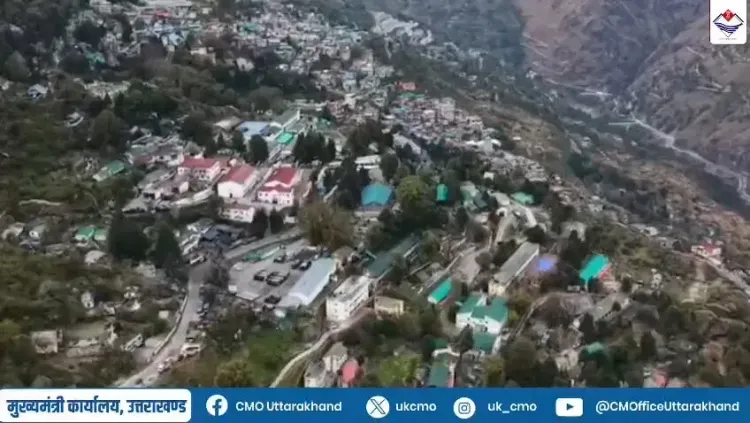
The CMO post was accompanied by a video, suggesting on-ground documentation of ongoing works.
Permanent housing allotments and updated ground-movement technical reports remain awaited by displaced residents.
Joshimath 's recovery has wider significance given its role as a gateway to Badrinath and the Niti Valley border area.
The Chief Minister's Office of Uttarakhand confirmed on Saturday, 18 July 2026 that rehabilitation and stabilisation work in the disaster-affected town of Jyotirmath (Joshimath) in Chamoli district is continuing without pause, signalling sustained state attention to one of Uttarakhand's most protracted urban disaster recoveries.
Context
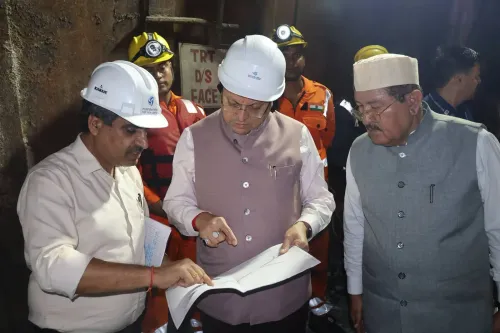
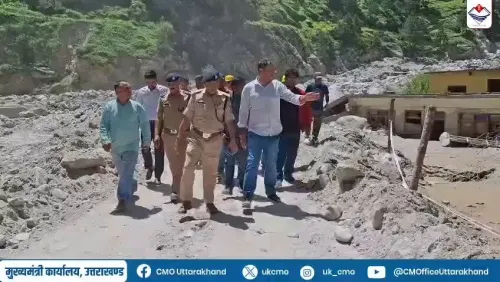
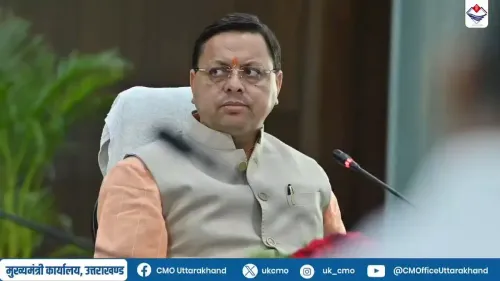
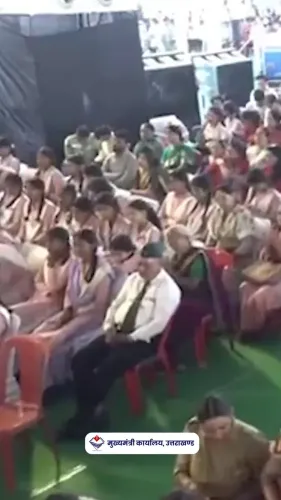
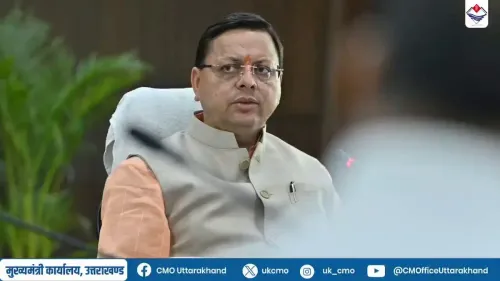
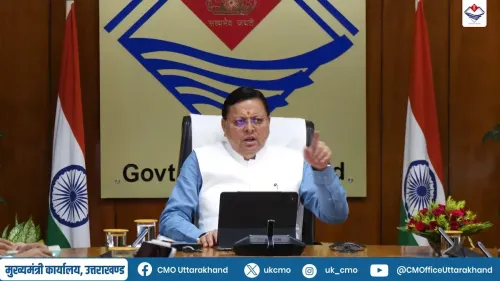
The CMO's post, shared in Hindi, states: 'Chamoli ke aapda prabhavit Jyotirmath nagar ko surakshit banane ki disha mein punarvas aur sthirikaran ka karya lagatar jaari hai' — ('Rehabilitation and stabilisation work to make the disaster-affected Jyotirmath town of Chamoli safe is continuously ongoing'). The update was accompanied by a video, indicating on-ground documentation of the works.
Joshimath, also officially called Jyotirmath, is a Himalayan town in Chamoli district that drew national attention when widespread land subsidence caused cracks in hundreds of homes and structures from late 2022 onward. The Uttarakhand government declared it a disaster zone in January 2023, triggering evacuation of at-risk families and emergency surveys.
Policy Backdrop
Following the disaster declaration, the state government initiated a multi-pronged response: structural surveys, temporary shelter arrangements, drainage improvement and slope-stabilisation works on the geologically fragile hillside. The town sits atop a zone of known geological sensitivity, compounded by extreme rainfall events that have repeatedly stressed Himalayan settlements across Uttarakhand.
The broader pattern in Uttarakhand has been one of phased slope-stabilisation, drainage correction and selective relocation — a model applied across multiple hill towns after subsidence and landslide incidents. Joshimath has remained the most high-profile case given its religious and strategic significance as a gateway to Badrinath and the Niti Valley border area.
Stakeholders and Impact
Hundreds of Joshimath residents — many of whom were displaced from cracked or condemned structures — remain the primary stakeholders awaiting permanent housing allotments and a formal clearance that their town is structurally safe. Local livelihoods tied to the Char Dham pilgrimage economy and border-area trade have also been disrupted since the crisis began.
The Saturday update from the CMO, while not specifying expenditure or completion timelines, serves as a public accountability signal that rehabilitation has not stalled — a concern that had been raised repeatedly by affected residents and civil society groups in the intervening years since the initial emergency response.
What's Next
Observers will watch for the release of updated technical reports on ground-movement monitoring and official timelines for permanent housing allotments under the rehabilitation package. Clarity on which structures have been certified safe for reoccupation and which zones remain restricted will be critical for residents and for restoring normalcy to the town's economy. The state's ability to demonstrate measurable, time-bound progress will determine the credibility of its long-term disaster-management commitment in the fragile Himalayan belt.
Point of View
Though brief, carries political weight: Joshimath's slow recovery has been a persistent reputational liability for the Uttarakhand government since the 2023 crisis peaked. By posting video-backed confirmation of ongoing work in July 2026, the administration signals it has not allowed the issue to fade from official attention — a common criticism in long-tail disaster recoveries. The update fits a broader pattern of Himalayan states using social media to demonstrate administrative continuity on sensitive infrastructure issues. However, the absence of specific milestones or timelines means the post functions more as reassurance than accountability, and affected residents will likely demand harder data on permanent resettlement before confidence is fully restored.
NationPress
16 Oct 2026
Frequently Asked Questions
What is the current status of Joshimath rehabilitation in 2026?
As of 18 July 2026 , the Uttarakhand Chief Minister's Office has confirmed that rehabilitation and stabilisation work in Joshimath (Jyotirmath) is continuously ongoing, with the state government releasing a video update on progress.
Why was Joshimath declared a disaster zone?
Joshimath was declared a disaster zone in January 2023 after widespread land subsidence caused visible cracks in hundreds of residential and commercial structures, forcing evacuation of many families.
What work is being done to stabilise Joshimath?
The Uttarakhand government has undertaken structural surveys, temporary shelter arrangements, drainage improvement and slope-stabilisation works in Joshimath to address the underlying geological causes of the subsidence.
When will Joshimath residents get permanent housing?
Permanent housing allotments under the rehabilitation package have not yet been formally announced with a confirmed timeline; updated technical reports on ground movement are expected to precede any final clearances.
Why is Joshimath important beyond the local disaster?
Joshimath is strategically significant as the gateway to the Badrinath shrine on the Char Dham pilgrimage circuit and to the Niti Valley border area, making its recovery critical for both the regional economy and national security logistics.