Uttarakhand CM Office Convenes Top Officials for Disaster Meet
Synopsis
The Uttarakhand Chief Minister's Office on 9 June 2026 disclosed details of a high-level disaster management coordination meeting attended by the state's top minister, chief secretary, DGP, senior bureaucrats, and all district magistrates — signalling active pre-monsoon preparedness mobilisation.
Key Takeaways
Disaster Management Minister Madan Kaushik chaired or attended the high-level coordination meeting disclosed by the CMO on 9 June 2026 .
Chief Secretary Anand Bardhan and DGP Deepam Seth were among the senior officials present, reflecting the meeting's cross-departmental scope.
Kumaon Commissioner Deepak Rawat , Garhwal Commissioner Anand Swaroop , and all district magistrates participated virtually, ensuring state-wide coverage.
The meeting is consistent with Uttarakhand 's annual pre-monsoon disaster preparedness review cycle, institutionalised after the 2013 Kedarnath floods .
The State Disaster Management Authority (SDMA) was represented at the vice-chairman level, underlining the policy and coordination significance of the gathering.
Follow-up action on early warning systems, relief logistics, and rehabilitation funding is anticipated ahead of the June–September monsoon window.
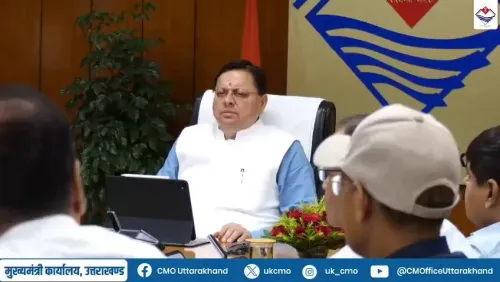
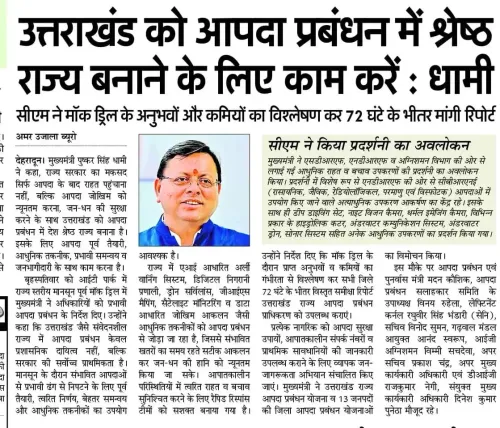
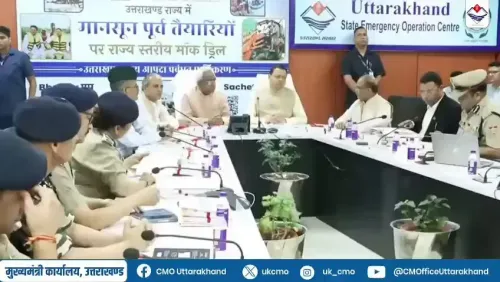
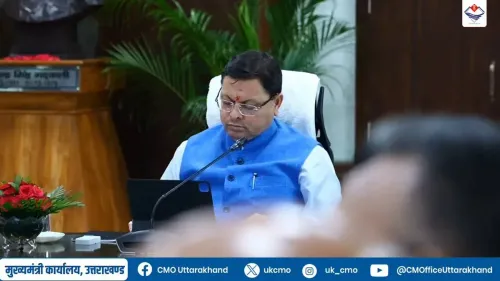
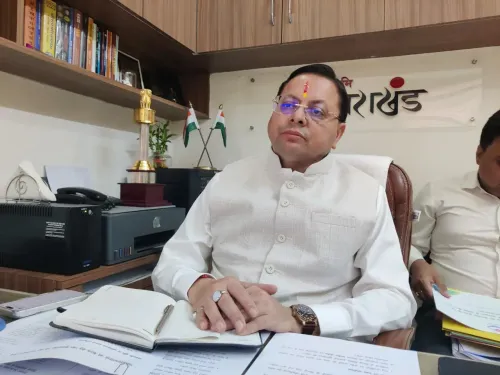
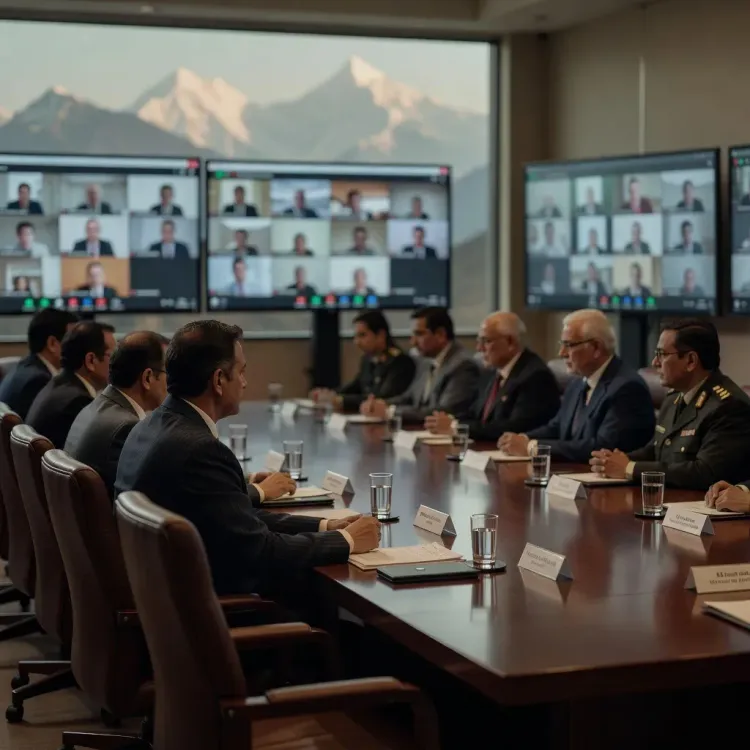
The Chief Minister's Office of Uttarakhand on Tuesday, 9 June 2026 shared details of a high-level coordination meeting attended by senior ministers, bureaucrats, police chiefs, and district commissioners, signalling the state government's focus on disaster management preparedness ahead of the monsoon season.
Context
The post, shared from the official @ukcmo handle, listed the attendees of a multi-department meeting that brought together the state's top administrative machinery. The gathering included Disaster Management and Rehabilitation Minister Madan Kaushik, Vice-Chairman of the State Disaster Management Authority Vinay Kumar Rohila, Chief Secretary Anand Bardhan, and Director General of Police Deepam Seth.
Also present were Principal Secretary L. Fannai, senior officials Dr. R. Meenakshi Sundaram, Secretary Nitesh Kumar Jha, Dr. Pankaj Kumar Pandey, Ravinath Raman, Dheeraj Garbyal, Ranveer Singh Chauhan, and C. Ravishankara, along with senior police officers and heads of various departments. Kumaon Commissioner Deepak Rawat, Garhwal Commissioner Anand Swaroop, and all district magistrates joined the meeting virtually.
Policy Backdrop
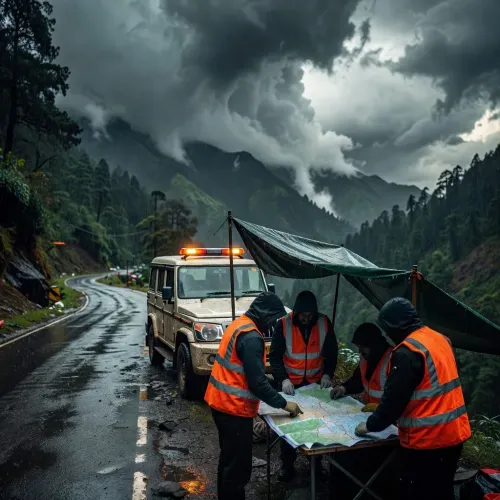
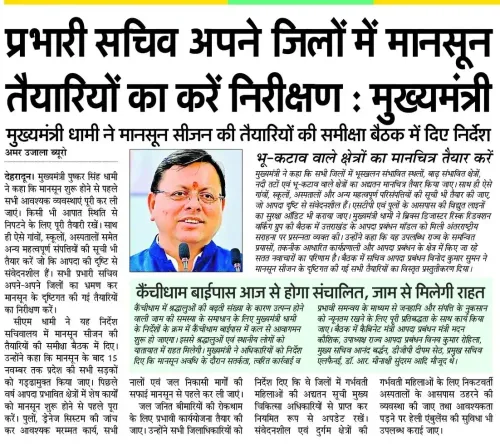
Uttarakhand is among India's most disaster-prone states, regularly facing floods, cloudbursts, and landslides during the June–September monsoon window. The state's disaster governance framework was significantly strengthened after the catastrophic 2013 Kedarnath floods, which caused massive loss of life and infrastructure, prompting a comprehensive overhaul of the State Disaster Management Authority (SDMA).
Under India's Disaster Management Act, 2005, state governments are mandated to maintain active coordination structures spanning revenue, health, public works, and law enforcement. Pre-monsoon high-level reviews of this nature are a routine but critical institutional exercise, ensuring that response protocols, communication lines, and resource deployment plans are aligned before the hazard window opens.
Stakeholders and Impact
The meeting's broad attendance — spanning ministerial, secretariat, police, and district levels — reflects the integrated administrative approach Uttarakhand deploys for disaster preparedness. District magistrates, who serve as the first line of response on the ground, joined virtually from across the state's 13 districts, ensuring uniform briefing and coordination.
Residents of high-risk hilly areas in both Kumaon and Garhwal divisions stand to benefit most directly from such coordination exercises, as timely warnings, evacuation planning, and rehabilitation logistics are decided at meetings of this level. The presence of the DGP and senior police officers underscores the law-and-order and rescue dimension of disaster response.
What's Next
The state government is expected to follow up with specific operational directives to district administrations covering early warning system readiness, pre-positioned relief stocks, and inter-departmental communication protocols. Decisions on rehabilitation funding and any special budgetary allocations for vulnerable zones may also emerge from this review cycle.
With the monsoon onset over Uttarakhand typically occurring in late June, the coming weeks will be critical for translating the meeting's deliberations into ground-level preparedness, particularly in remote Himalayan valleys where response logistics remain challenging.
Point of View
From cabinet minister down to every district magistrate, suggests this was a state-wide alignment exercise rather than a routine departmental review. Set against the backdrop of the 2013 Kedarnath tragedy, which permanently elevated disaster governance as a political priority in the state, such meetings carry both operational and reputational weight for the ruling dispensation. How effectively the coordination translates into ground-level readiness will be the real test when the monsoon arrives.
NationPress
26 Oct 2026
Frequently Asked Questions
Why did Uttarakhand hold a high-level disaster management meeting in June 2026?
June marks the onset of the monsoon season in Uttarakhand, and the state routinely convenes pre-monsoon coordination reviews to align ministers, bureaucrats, police, and district officials on disaster response protocols before the high-risk window opens.
Who attended the Uttarakhand disaster management meeting on 9 June 2026?
Attendees included Disaster Management Minister Madan Kaushik, Chief Secretary Anand Bardhan, DGP Deepam Seth, several principal secretaries and senior officials, along with Kumaon Commissioner Deepak Rawat, Garhwal Commissioner Anand Swaroop, and all district magistrates joining virtually.
What is the State Disaster Management Authority of Uttarakhand?
The State Disaster Management Authority (SDMA) is the apex body in Uttarakhand responsible for disaster preparedness, policy coordination, and rehabilitation. It was significantly strengthened after the 2013 Kedarnath floods under the framework of India's Disaster Management Act, 2005.
How disaster-prone is Uttarakhand during the monsoon?
Uttarakhand is one of India's most disaster-prone states, regularly experiencing floods, cloudbursts, and landslides between June and September due to its steep Himalayan terrain and heavy seasonal rainfall.
What follow-up actions are expected after this Uttarakhand disaster meeting?
The state government is expected to issue operational directives to district administrations on early warning system readiness, pre-positioned relief supplies, inter-departmental communication, and potentially special rehabilitation funding for vulnerable zones.