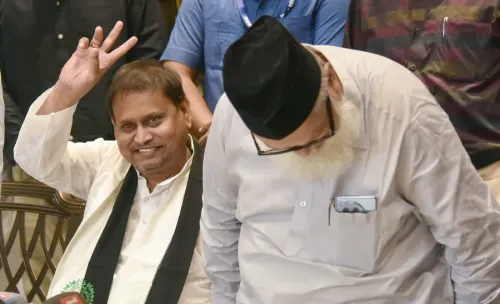
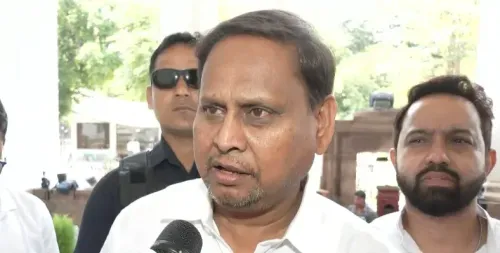
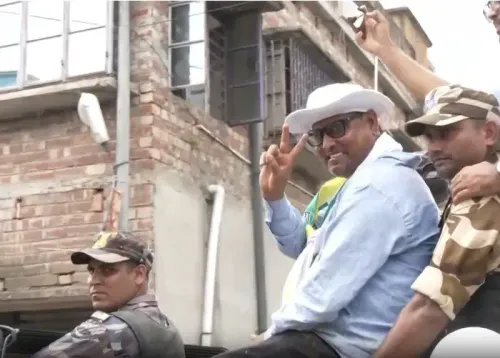
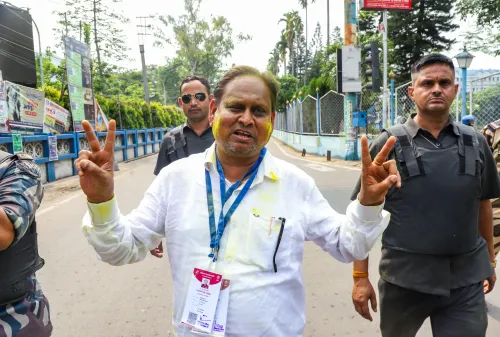
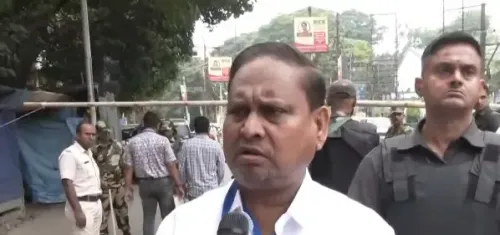
Humayun Kabir moves Calcutta High Court over Bengal post-poll violence
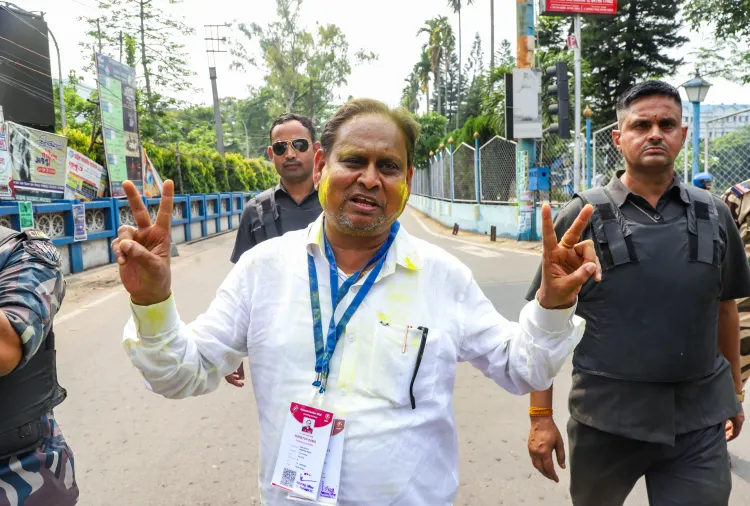
Synopsis
Days after BJP ended TMC's 15-year rule in West Bengal with a 207-seat sweep, AJUP Chairman Humayun Kabir — who won two seats himself — has moved the Calcutta High Court alleging police inaction over targeted attacks on his party workers in Murshidabad. The petition puts the judiciary at the centre of Bengal's post-poll reckoning.
Key Takeaways
AJUP Chairman Humayun Kabir filed a petition before the Calcutta High Court on 6 May over post-poll violence in Murshidabad district .
The plea was filed before a bench of Chief Justice Sujoy Paul and Justice Partha Sarathi Sen , seeking impartial probe and worker safety.
Kabir's car was allegedly vandalised on 23 April during the first phase of elections; police reportedly refused to register complaints.
BJP won 207 seats in the West Bengal Assembly elections, ending TMC 's 15-year rule; TMC won 80 seats .
Post-poll violence has also been reported in South 24 Parganas , with allegations of attacks on TMC workers as well.
Kabir won from both Rejinagar and Nowda constituencies in Murshidabad.
Aam Janata Unnayan Party (AJUP) Chairman Humayun Kabir on Wednesday, 6 May approached the Calcutta High Court seeking urgent intervention to curb post-poll violence in West Bengal, alleging widespread politically motivated attacks in Murshidabad district following the state Assembly election results declared on 4 May.
What the Petition Alleges
Kabir filed his plea before a division bench comprising Chief Justice Sujoy Paul and Justice Partha Sarathi Sen, alleging that party workers had been beaten up and their houses vandalised since the results were announced. His lawyer told the court that Kabir himself was attacked by miscreants during the first phase of elections on 23 April, and his car was vandalised in the same incident. According to the lawyer, police refused to register any complaint related to these incidents, amounting to what the petition describes as an administrative failure.
Key Demands Before the Court
The AJUP petition has sought three specific reliefs: an impartial investigation into the alleged violence, safety guarantees for party workers, and immediate steps to restore peace and order in the affected areas of Murshidabad. Kabir's counsel argued that the police's inaction necessitated judicial intervention to ensure victims could access justice.
Election Context and Results
The Bharatiya Janata Party (BJP) won 207 seats in the West Bengal Assembly elections, ending the 15-year rule of the All India Trinamool Congress (TMC), which was reduced to 80 seats. Notably, Humayun Kabir himself won from both the Rejinagar and Nowda constituencies in Murshidabad district, making his petition particularly significant as an elected representative seeking court protection for his own party workers.
Violence Across the State
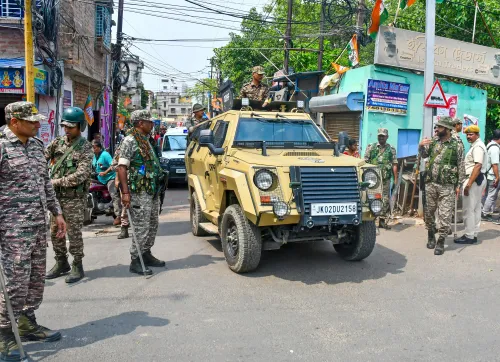
Post-poll violence has reportedly spread beyond Murshidabad, with South 24 Parganas district also witnessing attacks since the results were declared. Allegations of assaults on TMC workers and vandalism of party offices have also surfaced from multiple areas, indicating that the violence is not confined to one political side. The police have stated that strong action would be taken against those found indulging in such activities, though critics argue the response has so far been inadequate.
What Happens Next
The matter is now before the Calcutta High Court's division bench, and the court's response — whether it orders a Central Bureau of Investigation (CBI) probe, deploys additional security, or issues directions to the state police — will be closely watched. This comes amid a broader pattern of post-election violence that has historically followed high-stakes West Bengal polls, raising questions about the state's law-and-order machinery during political transitions.
Point of View
And a change of government does not automatically reset that dynamic. The fact that an elected winner — not a loser — is seeking court protection for his own workers signals how severely trust in the state machinery has eroded. The Calcutta High Court has historically stepped in when Bengal's executive fails; whether it does so again will test the judiciary's willingness to act as a check on post-election impunity. Critically, violence on both sides — against AJUP and TMC workers — suggests this is less about one party's grievances and more about a state where political transitions routinely come at a human cost.
NationPress
24 Sept 2026
Frequently Asked Questions
Why did Humayun Kabir move the Calcutta High Court?
AJUP Chairman Humayun Kabir approached the Calcutta High Court on 6 May alleging post-poll violence against his party workers in Murshidabad district, and claiming that police refused to register complaints about the attacks. He sought an impartial investigation and safety guarantees for his workers.
What happened during the West Bengal Assembly elections?
The BJP won 207 seats in the West Bengal Assembly elections, results of which were declared on 4 May, ending TMC's 15-year rule. TMC was reduced to 80 seats. Humayun Kabir of AJUP won from both Rejinagar and Nowda constituencies in Murshidabad.
What violence has been reported after the Bengal election results?
Post-poll violence has been reported in multiple districts including Murshidabad and South 24 Parganas since results were declared on 4 May. Allegations include attacks on AJUP and TMC workers, house vandalisation, and destruction of party offices.
Which judges are hearing Humayun Kabir's petition?
The petition has been filed before a division bench comprising Chief Justice Sujoy Paul and Justice Partha Sarathi Sen of the Calcutta High Court.
What relief has Humayun Kabir sought from the court?
Kabir has sought three reliefs: an impartial investigation into the violence, safety for his party workers, and immediate judicial steps to restore peace and order in Murshidabad district.