Karnataka's Ambitious Plans for Zero Rabies and Snakebite Deaths by 2030

Synopsis
Karnataka's government has set bold targets for 2030, aiming for zero deaths from rabies and venomous snakebites. With comprehensive action plans launched, the focus is on prevention, treatment, and public awareness to create a safer future.
Key Takeaways
Karnataka aims for zero rabies deaths by 2030.
Free anti-rabies vaccines will be available statewide.
Rabies classified as a notifiable disease to enhance monitoring.
Public health initiatives include snakebite prevention and treatment.
Collaboration among government, private sectors, and communities is crucial.
Bengaluru, Feb 27 (NationPress) The Karnataka government, under Congress leadership, has reiterated its pledge to eradicate dog-mediated human rabies by the year 2030, alongside initiatives to minimize fatalities resulting from venomous snakebites through the introduction of two detailed state action plans.
The State Action Plan for Rabies Elimination (SAPRE) and the State Action Plan for Snakebite Prevention and Control (SAPSE) were unveiled by Health and Family Welfare Minister Dinesh Gundu Rao. These initiatives aim to enhance prevention, treatment, monitoring, and collaborative interdepartmental responses.
In alignment with the National Rabies Control Programme and the overarching goal of achieving “Zero Human Deaths from Dog-Mediated Rabies by 2030,” the rabies elimination strategy employs a One Health approach that integrates health, veterinary, urban development, and educational sectors. Rabies, while preventable, is nearly always fatal once clinical symptoms manifest, highlighting the importance of early intervention and preventive measures.
During the announcement, Rao emphasized that the state aims to achieve zero rabies-related deaths by 2030. Free anti-rabies vaccines and rabies immunoglobulin will be made available at all Primary Health Centres (PHCs), Community Health Centres (CHCs), taluk hospitals, and district hospitals throughout the state. These facilities are mandated to uphold sufficient stocks of these medications consistently.
Private healthcare providers have also been instructed to ensure adequate medicine supplies and provide immediate treatment without requiring advance payment. The Department of Health and Family Welfare had classified rabies as a notifiable disease in December 2022 to facilitate systematic reporting and surveillance.
To guarantee effective execution, the government has established state and district-level joint steering committees for coordination and oversight. As part of the Rabies-Free Cities Initiative, targeted interventions are being implemented in 11 major cities, including Bengaluru, Belagavi, Ballari, Davanagere, Hubballi-Dharwad, Kalaburagi, Mangaluru, Mysuru, Shivamogga, Tumakuru, and Vijayapura, the Minister stated.
The veterinary department is set to focus on mass dog vaccination as well as managing dog populations, while urban local bodies will handle pet registration, vaccination oversight, and waste management to deter stray dog gatherings. Medical colleges are enhancing anti-rabies clinics and training healthcare professionals to refine treatment protocols and reporting practices.
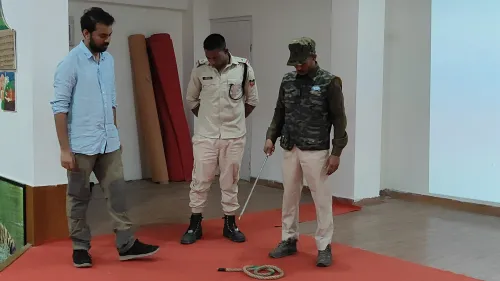
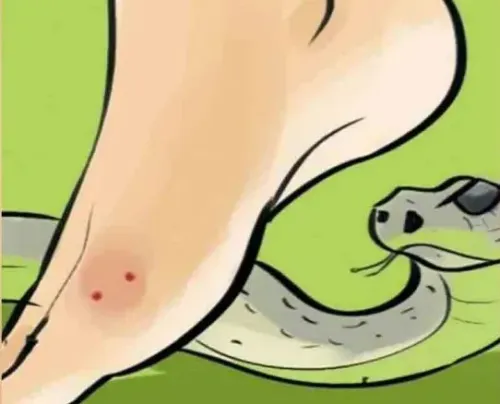
Moreover, the government has initiated a distinct action plan aimed at decreasing fatalities from venomous snakebites. Formulated in accordance with Central government guidelines, this plan emphasizes prevention, timely treatment, capacity building among healthcare professionals, and public education. Snakebite incidents were designated as a notifiable disease in the state in 2024, Rao revealed.
He indicated that snakebite victims will receive complimentary treatment, and private hospitals have been directed to provide immediate lifesaving care without prior payment.
Officials noted that both action plans stress interdepartmental collaboration, enhanced access to treatment, and active public involvement. The government has called upon citizens, private entities, and civil society organizations to assist in achieving the objective of eliminating rabies-related deaths and significantly reducing snakebite fatalities in Karnataka by 2030.
Point of View
The Karnataka government's commitment to eliminate rabies and snakebite fatalities reflects a proactive health strategy. By fostering interdepartmental collaboration and community engagement, the initiatives represent a significant step toward improving public health outcomes in the state, setting a precedent for similar efforts nationwide.
NationPress
30 Sept 2026
Frequently Asked Questions
What is the goal of the Karnataka state's action plans?
The Karnataka state's action plans aim to eliminate dog-mediated human rabies and significantly reduce deaths from venomous snakebites by the year 2030.
How will the Karnataka government support rabies treatment?
The government will provide free anti-rabies vaccines and immunoglobulin at all primary and community health centers across the state.
What measures are being taken for snakebite prevention?
The action plan for snakebite prevention includes public awareness campaigns, timely treatment accessibility, and training healthcare personnel.
Are private hospitals involved in the treatment plans?
Yes, private hospitals are required to maintain adequate medicine supplies and provide immediate treatment for both rabies and snakebites without requiring advance payment.
How many cities are targeted in the Rabies-Free Cities Initiative?
The initiative targets 11 major cities in Karnataka to implement focused interventions for rabies elimination.