Karnataka CM Office pays tribute to Salumarada Thimmakka
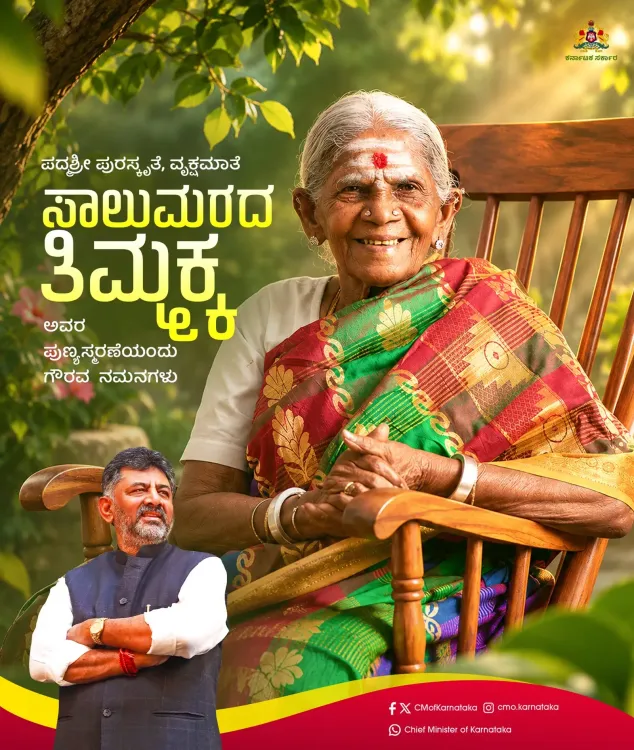
Synopsis
The Chief Minister's Office of Karnataka honoured Salumarada Thimmakka — known as Vriksha Mata — on her death anniversary, celebrating the Padma Shri recipient's lifelong mission of planting and nurturing over 8,000 trees along a 4-km highway stretch in Ramanagara district since the 1950s.
Key Takeaways
Salumarada Thimmakka , popularly called Vriksha Mata (Mother of Trees), was honoured by the Chief Minister's Office of Karnataka on her death anniversary.
Thimmakka planted and nurtured more than 8,000 trees along a 4-kilometre highway stretch between Hulikal and Kudur in Ramanagara district , beginning in the 1950s .
She was awarded the Padma Shri — India's fourth-highest civilian honour — in 2019 for her lifelong afforestation work.
The CMO described her as a model of environmental love and selfless service, calling her ideals an 'eternal inspiration.' Her legacy continues to inform Karnataka's grassroots afforestation drives and district-level environmental recognition programmes.
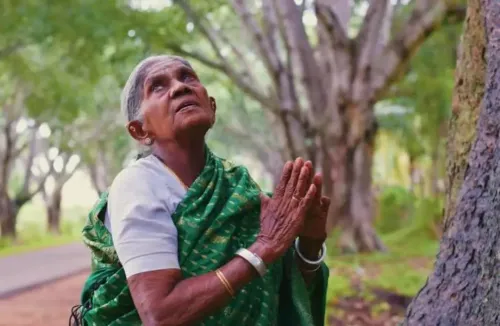
She had no children of her own, so she planted thousands of trees — and called every one of them her child. On her death anniversary, the Chief Minister's Office of Karnataka paid a heartfelt tribute to Salumarada Thimmakka, the Padma Shri-winning environmentalist whose bare hands and unshakeable resolve transformed a dusty highway stretch into a living, breathing corridor of green.
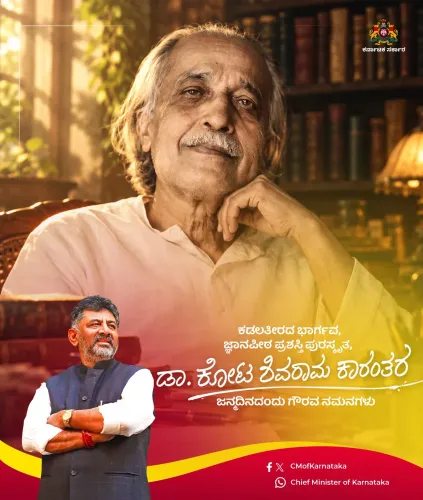
The post, shared in Kannada, described Thimmakka as Vriksha Mata — 'Mother of Trees' — and honoured her as a model of environmental love and selfless service. 'She who loved trees like her own children, nurtured them, and wrote the prologue to a green revolution,' the tribute read, adding that 'her ideals are an eternal inspiration to all of us.'
A 4-km stretch that became a national symbol
Thimmakka's story begins in the 1950s in Ramanagara district, Karnataka, where she and her late husband Bikkalu Chikkayya began planting banyan saplings along the 4-kilometre highway between Hulikal and Kudur — carrying water on foot to nurse each one. Over decades, that quiet, private act of devotion grew into a canopy of more than 8,000 trees, turning a sun-scorched road into one of the most photographed green corridors in South India.
The scale of what she accomplished without institutional backing, machinery, or funding is what made her story travel far beyond Karnataka. She became a grassroots emblem of what individual persistence can do against environmental degradation — a message that resonates harder today than ever.
Padma Shri in 2019 — recognition six decades in the making
In 2019, the Government of India conferred the Padma Shri — the country's fourth-highest civilian honour — on Thimmakka, formally acknowledging a lifetime of afforestation work that had long been celebrated at the grassroots but had taken decades to reach national officialdom. The recognition arrived late; the work had been going on since India was still finding its post-independence footing.
Karnataka governments have periodically issued public tributes to figures like Thimmakka, whose grassroots environmental work aligns with the state's broader afforestation targets — particularly in drought-prone districts where green cover remains fragile and contested.
Why the tribute matters beyond ceremony
A state government pausing to honour a woman who planted trees with her bare hands is not merely ceremonial. It signals the kind of environmental ethic policymakers want to project — one rooted in community action rather than top-down schemes. Thimmakka's legacy is increasingly invoked in conversations around Vanamahotsava, Karnataka's annual tree-plantation drives, and district-level green awards that draw inspiration from her model.
Her story also carries a quietly radical dimension: a woman from a marginalised background, without formal education, who outlasted bureaucracies, droughts, and indifference to leave behind a forest. That is the kind of legacy no government scheme can replicate — only honour.
The trees she planted still stand. The tribute is the least they deserve.
Point of View
Invoking Thimmakka's model serves both commemorative and motivational purposes. The tribute also underscores a broader national pattern of retroactively honouring unsung ecological contributors through civilian awards like the Padma Shri, even when recognition arrives decades after the work began. Whether such tributes translate into structural support for community-led afforestation remains the critical gap between symbolism and policy.
NationPress
14 Nov 2026
Frequently Asked Questions
Who is Salumarada Thimmakka?
Salumarada Thimmakka is a Karnataka-born environmental activist known as Vriksha Mata, or Mother of Trees. She planted and nurtured over 8,000 trees along a 4-km highway in Ramanagara district beginning in the 1950s and was awarded the Padma Shri in 2019.
What does Vriksha Mata mean?
'Vriksha Mata' is a Kannada and Sanskrit title meaning 'Mother of Trees.' It was given to Salumarada Thimmakka in recognition of her lifelong devotion to planting and nurturing thousands of trees, which she treated as her own children.
When did Thimmakka receive the Padma Shri?
Salumarada Thimmakka received the Padma Shri — India's fourth-highest civilian honour — in 2019, recognising six decades of afforestation work in Karnataka's Ramanagara district.
Where did Thimmakka plant her famous trees?
Thimmakka planted her trees along a 4-kilometre highway stretch between Hulikal and Kudur in Ramanagara district, Karnataka. The corridor now features more than 8,000 trees, primarily banyans.
Why is the Karnataka government paying tribute to Thimmakka?
The Chief Minister's Office of Karnataka posted a tribute on her death anniversary, honouring her as a symbol of environmental love and selfless service whose ideals continue to inspire the state's afforestation efforts.