Karnataka CMO: ₹1.46 Lakh Crore Spent on Five Guarantees
Synopsis
Karnataka's CMO announces ₹1,45,965 crore spent on five flagship guarantee schemes — Gruha Lakshmi, Shakti, Anna Bhagya, Yuva Nidhi, and Gruha Jyothi — since the Congress government took office in May 2023, with crores of beneficiaries across the state.
Key Takeaways
₹1,45,965 crore has been spent cumulatively on Karnataka's five guarantee schemes as of 15 August 2026 .
The five schemes are Gruha Lakshmi (cash to women heads of households), Shakti (free bus travel for women), Anna Bhagya (free food grain), Yuva Nidhi (allowance for unemployed graduates), and Gruha Jyothi (free electricity up to 200 units).
All five were Congress election promises from the May 2023 Karnataka assembly elections , converted into running schemes after the party's victory.
Primary beneficiaries include women heads of households , low-income families , and unemployed youth .
The announcement was timed to Independence Day , framing welfare delivery as economic dignity and freedom.
Fiscal sustainability and performance audits remain the key watch points as Karnataka approaches its next budget cycle.
Two years after Karnataka's Congress government turned five election promises into law, the numbers tell a striking story: ₹1,45,965 crore spent, crores of beneficiaries reached, and a welfare model that has reshaped daily life across the state. The Chief Minister's Office of Karnataka marked Independence Day, 15 August 2026, by releasing a comprehensive expenditure update on the five flagship guarantee schemes.
Five schemes, one mandate: what the guarantees actually do
The five programmes — Gruha Lakshmi, Shakti, Anna Bhagya, Yuva Nidhi, and Gruha Jyothi — were the centrepiece of the Indian National Congress manifesto ahead of the May 2023 Karnataka assembly elections. Each targets a distinct pressure point in household economics.
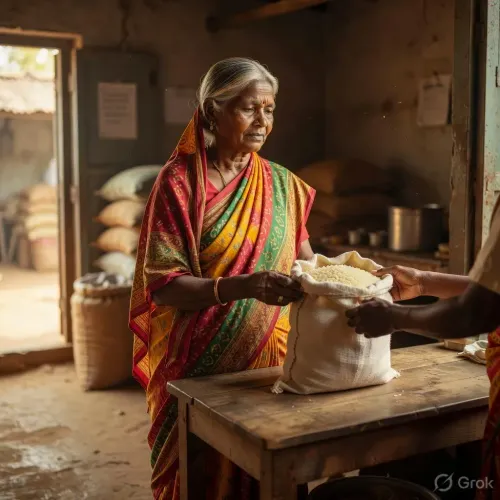
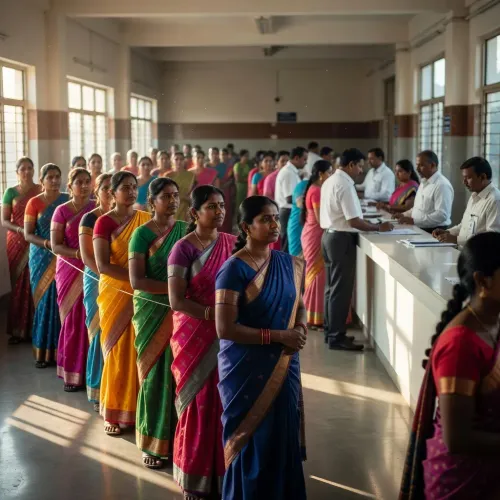
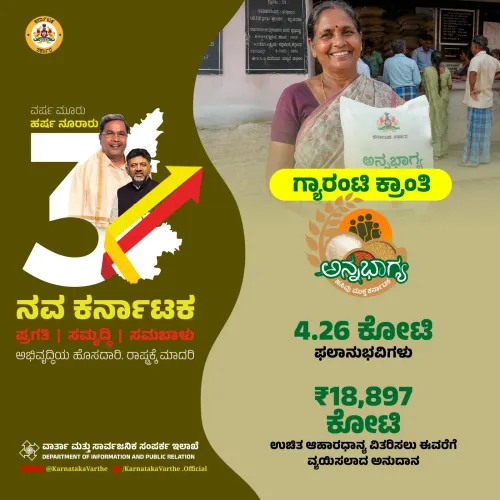
Gruha Lakshmi delivers monthly financial assistance directly to women heads of households. Shakti gives women free travel on state-run buses, cutting a recurring cost that disproportionately limits mobility and economic participation. Anna Bhagya extends free food grain to eligible families. Yuva Nidhi pays a monthly allowance to unemployed graduates and diploma holders. Gruha Jyothi zeroes out electricity bills for residential consumers using up to 200 units a month. Together, they address food, energy, transport, income, and youth unemployment — the full stack of household vulnerability.
₹1,45,965 crore and what it signals about Karnataka's fiscal bet
The cumulative spend of ₹1,45,965 crore is not a routine budget line — it represents a deliberate political and fiscal choice to front-load welfare spending through direct transfers and subsidies rather than infrastructure-first allocation. Karnataka becomes one of the clearest examples of a competitive welfare model that has spread across Indian states, where election promises are converted into legislated entitlements with measurable price tags.
The scale of expenditure also sets up a high-stakes accountability moment. With state budget revisions and assembly sessions ahead, the government will face scrutiny not just on how much has been spent, but on delivery quality, targeting accuracy, and fiscal sustainability. Performance audits of schemes at this expenditure level are standard — and in Karnataka's case, politically consequential.
Who is actually benefiting — and why the Independence Day timing matters
The primary beneficiaries are women heads of households, low-income families, and unemployed youth — groups that sit at the intersection of economic vulnerability and electoral significance. Announcing the milestone on Independence Day is a deliberate framing: the government is linking welfare delivery to the language of freedom and dignity, not merely administrative output.
The CMO's post states the schemes are bringing 'greater economic security, opportunity and dignity to people across the state' — ಜನರ ಬದುಕಿಗೆ ಹೊಸ ಶಕ್ತಿ ('new energy to people's lives'). That phrase is the political thesis: welfare as empowerment, not charity.
Whether the ₹1,45,965 crore translates into durable economic mobility — or remains a consumption support that requires perpetual renewal — is the question Karnataka's next budget cycle will have to answer.
Point of View
45,965 crore welfare outlay is the most concrete data point yet in a broader national experiment: can state-level direct-transfer guarantees become a durable governance model, or do they remain electorally powerful but fiscally fragile? The Congress government is betting that visible, named entitlements — each tied to a specific demographic — build stickier political loyalty than diffuse infrastructure spending. The Independence Day framing is deliberate statecraft, linking welfare to the constitutional promise of dignity. The real test arrives in the next budget session, where the government must show that expenditure scale has translated into measurable poverty reduction, not just consumption support.
NationPress
16 Aug 2026
Frequently Asked Questions
What are Karnataka's five guarantee schemes?
The five schemes are Gruha Lakshmi (monthly cash for women heads of households), Shakti (free bus travel for women), Anna Bhagya (free food grain), Yuva Nidhi (monthly allowance for unemployed graduates and diploma holders), and Gruha Jyothi (free electricity up to 200 units for residential consumers).
How much has Karnataka spent on the five guarantee schemes?
According to the Chief Minister's Office, Karnataka has spent a cumulative ₹1,45,965 crore on the five schemes since their launch following the Congress government's election in May 2023.
Who benefits from Karnataka's guarantee schemes?
The primary beneficiaries are women heads of households (Gruha Lakshmi and Shakti), low-income families (Anna Bhagya and Gruha Jyothi), and unemployed graduates and diploma holders (Yuva Nidhi), collectively covering crores of people across Karnataka.
When did Karnataka's Congress government launch the five guarantees?
The five guarantees were announced as election promises in the Congress manifesto before the May 2023 Karnataka assembly elections and were implemented after the party won the election and formed the government.
What is the Gruha Jyothi scheme in Karnataka?
Gruha Jyothi is one of Karnataka's five guarantee schemes that provides free electricity up to 200 units per month to residential consumers, aimed at reducing household energy costs for low- and middle-income families.