Karnataka electoral roll revision: 98.4% Enumeration Forms distributed
Synopsis
Karnataka's election machinery has distributed Enumeration Forms to 98.4% of its 5.54 crore electors — but digitisation stands at just 55%, and verification has flagged over 26 lakh electors under the ASDDO category. With the deadline on August 8, the accuracy of the state's voter rolls — and the political battle around them — is only intensifying.
Key Takeaways
The CEO Karnataka office reported 98.40% Enumeration Form distribution as of 18 July 2026 , covering 5,45,46,593 electors.
51,120 polling stations ( 86.57% ) have achieved 100% EF distribution ; 4,839 more are above 90% .
Digitisation stands at 55.16% ( 3,05,74,731 forms); only 21 polling stations have completed 100% digitisation .
Verification identified 26,76,740 electors under the ASDDO category, including 6,47,421 deceased and 15,45,039 permanently shifted.
The exercise runs until August 8 ; Karnataka's total electorate was 5,54,32,314 as of 16 June 2026 .
BJP supports the revision to remove ineligible voters; CM D.K.
Shivakumar has assured no genuine voter will lose their rights.
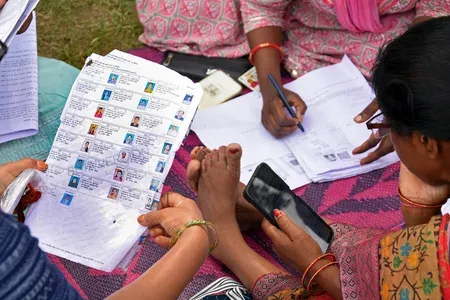
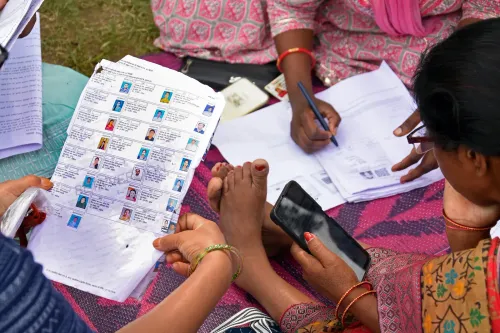
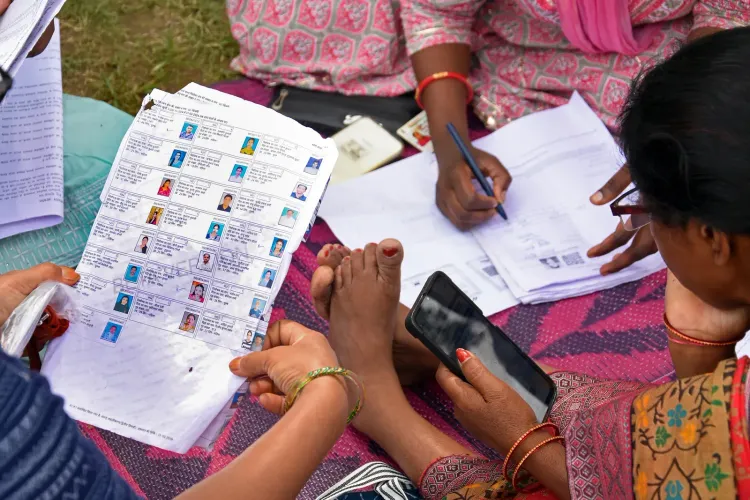
The Office of the Chief Electoral Officer (CEO), Karnataka, on Saturday, 18 July reported that 98.40 per cent of Enumeration Forms (EFs) have been distributed across the state under the ongoing Special Intensive Revision (SIR) of electoral rolls. A total of 5,45,46,593 forms have reached electors, covering nearly the entire registered electorate ahead of the August 8 exercise deadline.
Distribution Progress Across Polling Stations
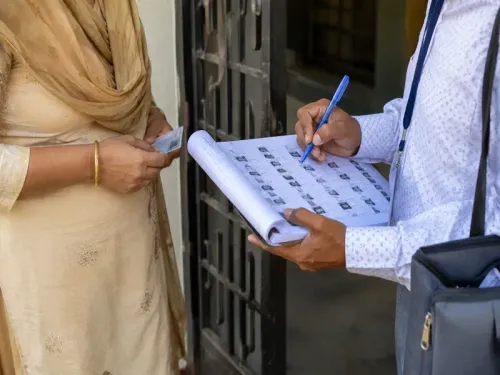
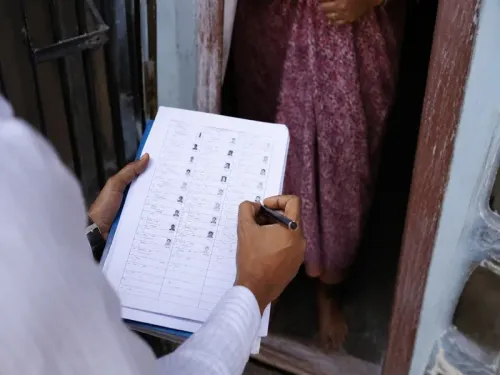
Of Karnataka's total polling stations, 51,120 — accounting for 86.57 per cent — have achieved 100 per cent EF distribution. An additional 4,839 polling stations have recorded distribution above the 90 per cent mark. The figures indicate near-complete ground coverage by election officials conducting door-to-door enumeration since June 30.
Digitisation Lags Behind Distribution
While physical distribution is nearly complete, digitisation of forms is progressing at a slower pace. As of the latest update, 3,05,74,731 forms have been digitised, representing 55.16 per cent of the total electorate. Only 21 polling stations have achieved 100 per cent digitisation, while 5,328 have crossed the 90 per cent threshold. Additionally, 5,14,981 electors — 0.93 per cent of the total — have submitted their forms online.
Key Findings from Verification Drive
The ongoing verification has flagged significant anomalies in the electoral roll. Officials identified 26,76,740 electors under the ASDDO (Absent, Shifted, Deceased, Duplicate, Others) category. Of these, 3,32,102 electors were found to be untraceable or absent, and 15,45,039 had permanently shifted from their registered addresses. The exercise also identified 6,47,421 deceased electors, 1,44,514 already enrolled elsewhere, and 7,664 falling under other categories. Karnataka's total electoral roll stood at 5,54,32,314 as of 16 June 2026, according to the CEO's daily press release.
Political Positions on the Revision
The Bharatiya Janata Party (BJP) has broadly backed the revision process, arguing it is essential to weed out duplicate, deceased, shifted, and ineligible voters — including, the party claims, alleged illegal immigrants. The BJP has also raised concerns over the issuance of Permanent Resident Certificates (PRCs) and alleged that names of non-citizens have found their way onto voter lists.
The ruling Congress government, meanwhile, has urged that the exercise not be politicised. Chief Minister D.K. Shivakumar has maintained that no genuine voter should lose their voting rights, and the party has assured assistance to eligible electors in completing the process.
What Comes Next
The house-to-house enumeration and digitisation drive will continue until August 8, after which the revised rolls are expected to be published. District-wise data on distribution and digitisation is being compiled and circulated through daily progress reports. The SIR aims to deliver a clean, accurate electoral roll ahead of future elections in Karnataka.
Point of View
But the real story is the gap between distribution and digitisation — 98.4% versus 55.16% — which will determine whether the SIR translates into a genuinely clean roll or merely a well-distributed one. The identification of over 26 lakh ASDDO electors, including 6.47 lakh deceased voters, points to long-standing maintenance failures in Karnataka's electoral database. The BJP's framing around illegal immigrants adds a combustible political layer that risks overshadowing the legitimate housekeeping purpose of the exercise. With the August 8 deadline approaching and digitisation still in the middle third, the final stretch will test whether election machinery can outpace political pressure.
NationPress
17 Oct 2026
Frequently Asked Questions
What is the Special Intensive Revision (SIR) of electoral rolls in Karnataka?
The Special Intensive Revision is a door-to-door enumeration and verification exercise conducted by the Chief Electoral Officer, Karnataka, to update and clean the state's voter rolls. It began on June 30, 2026, and will run until August 8, covering all 5.54 crore registered electors.
How many Enumeration Forms have been distributed in Karnataka so far?
As of 18 July 2026, a total of 5,45,46,593 Enumeration Forms have been distributed, representing 98.40% of Karnataka's total electorate. Of all polling stations, 51,120 — or 86.57% — have achieved 100% distribution.
What is the ASDDO category and how many electors fall under it?
ASDDO stands for Absent, Shifted, Deceased, Duplicate, and Others — a classification used to flag electors whose registration may be invalid. The Karnataka SIR identified 26,76,740 electors under this category, including 6,47,421 deceased voters and 15,45,039 who have permanently shifted addresses.
Why has the electoral roll revision become politically contentious in Karnataka?
The BJP has used the exercise to raise concerns about alleged non-citizens and illegal immigrants on voter lists, and has flagged the issuance of Permanent Resident Certificates as a concern. The ruling Congress, led by Chief Minister D.K. Shivakumar, has urged against politicising the process and assured that no eligible voter will be removed.
When will the revised Karnataka electoral rolls be published?
The house-to-house enumeration and digitisation exercise is scheduled to conclude on August 8, 2026, after which the revised electoral rolls are expected to be published. District-wise progress data is being circulated through daily reports by the CEO's office.