CM Siddaramaiah Launches Doorstep Caste Certificate Drive in Karnataka
Synopsis
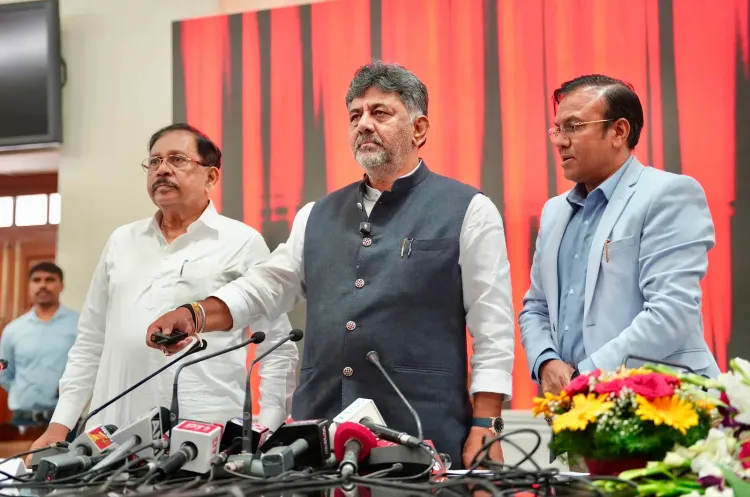
Karnataka's Revenue Department has launched a doorstep delivery drive for 4.85 crore digital caste certificates and a new permanent residence certificate service, inaugurated by CM D.K. Shivakumar and Deputy CM G. Parameshwara at Vidhana Soudha on 20 July 2026.
Key Takeaways
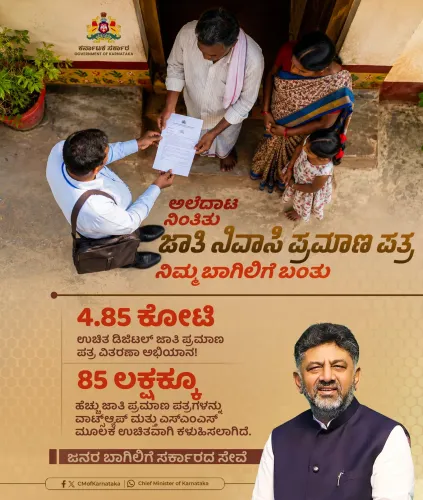
4.85 crore digital caste certificates have been sorted village-wise and shared with district collectors for home delivery across Karnataka.
85 lakh certificates are already linked to mobile numbers, enabling free download via WhatsApp or SMS .
Free printing assistance centres have been set up at every hobli (sub-taluk) level statewide.
Citizens can download certificates free from nadakacheri.karnataka.gov.in or apply for the residence certificate at ajsk.karnataka.gov.in .
The permanent residence certificate service has been launched under a uniform, legally compliant framework alongside the caste certificate drive.
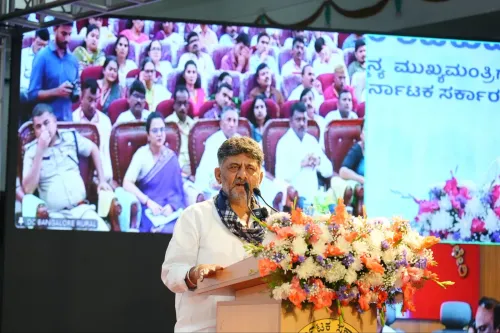
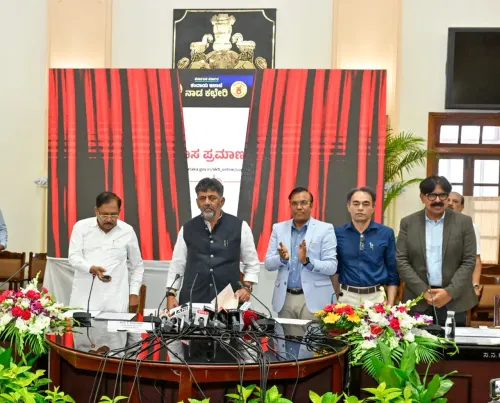
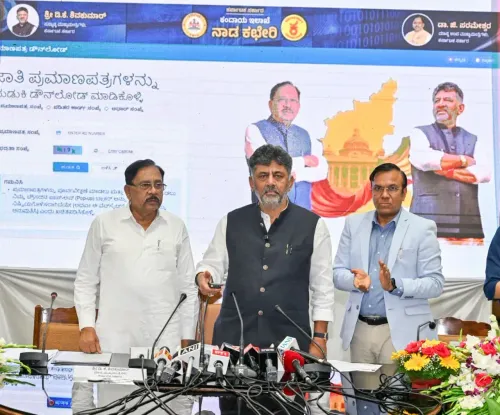
The campaign was inaugurated at Vidhana Soudha, Bengaluru on 20 July 2026 by CM D.K.
Shivakumar in the presence of Deputy CM Dr G.
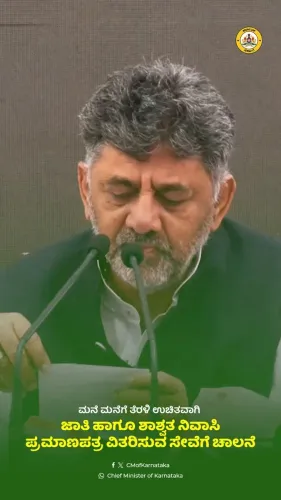
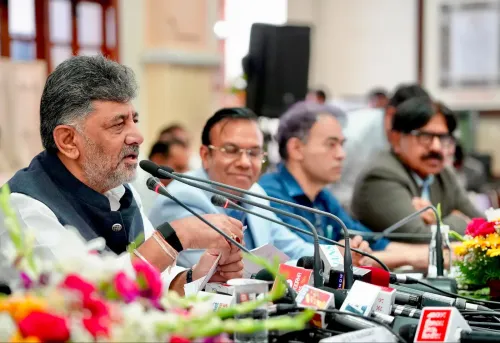
The Chief Minister's Office of Karnataka announced on Monday, 20 July 2026 that the state government has launched a special campaign to deliver caste and permanent residence certificates directly to citizens' homes, eliminating the need for repeated office visits. The initiative was inaugurated at the Conference Hall of Vidhana Soudha, Bengaluru, in the presence of Chief Minister D.K. Shivakumar and Deputy Chief Minister Dr G. Parameshwara.
Context
The post states — 'ಕಚೇರಿ ಅಲೆದಾಟ ತಪ್ಪಿತು; ಜಾತಿ, ನಿವಾಸಿ ಪ್ರಮಾಣಪತ್ರ ಮನೆ ಬಾಗಿಲಿಗೆ ಬಂತು!' — meaning 'No more running to offices; caste and residence certificates have come to your doorstep!' The Revenue Department is leading the drive, under which a total of 4.85 crore digital caste certificates have been sorted village-wise and shared with district collectors in PDF format for printing and home delivery. Alongside physical delivery, a dedicated portal has been set up at nadakacheri.karnataka.gov.in for free downloads, with free printing assistance centres established at every hobli (sub-taluk) level.
The announcement also notes that approximately 85 lakh caste certificates have already been linked to mobile numbers, enabling citizens to receive a direct download link via WhatsApp or SMS. The permanent residence certificate service has simultaneously been launched under a uniform, transparent, and legally compliant framework across the state.
Policy Backdrop
Karnataka has a well-established track record of digitising citizen services. The state enacted the Sakala Services Act in 2011, which mandates time-bound delivery of public services including certificates. The Nadakacheri platform, operational since the mid-2010s, has been the primary digital channel for caste, income, and other revenue certificates. This latest campaign extends that infrastructure to active doorstep delivery — moving from 'available online' to 'delivered at home.'
The approach echoes earlier initiatives such as the Bhoomi land records digitisation programme and aligns with the national Digital India framework that multiple states have adopted to reduce bureaucratic friction and curb rent-seeking at service delivery points.
Stakeholders and Impact
The primary beneficiaries are rural households and first-generation certificate applicants who historically faced multiple trips to taluk offices, often losing daily wages in the process. Caste certificates are mandatory for accessing reservations in education and employment, welfare scheme benefits, and several government programmes — making their timely availability a material economic issue for Scheduled Caste, Scheduled Tribe, and Other Backward Class communities.
Citizens who wish to apply for the permanent residence certificate can do so through the nearest Nadakacheri, Gram One, Karnataka One, Bengaluru One, or Bapuji Seva Kendra centres, or online at the official portal ajsk.karnataka.gov.in. The multi-channel approach is intended to ensure no segment of the population is excluded due to digital access constraints.
What's Next
The government's stated goal is statewide coverage through district collectors coordinating printed certificate delivery to every household. Observers will watch for district-level rollout metrics to assess whether the campaign reaches its targets, particularly in remote taluks with limited administrative capacity. Any legislative amendments to formalise the permanent residence certificate framework will also be a key marker of the programme's long-term durability.
Point of View
Directly targeting the SC, ST, and OBC vote base ahead of future electoral cycles by converting a long-standing bureaucratic pain point into a visible welfare delivery. By layering physical home delivery with WhatsApp, SMS, and hobli-level print centres, the government is hedging against the digital divide critique that has dogged earlier e-governance pushes. The simultaneous launch of the permanent residence certificate service under a uniform legal framework signals an intent to standardise a document that has historically been issued inconsistently, reducing scope for official discretion. Whether district administrations can execute delivery at the scale claimed will determine if this becomes a governance benchmark or a headline-only initiative.
NationPress
20 Oct 2026
Frequently Asked Questions
How will Karnataka deliver caste certificates to homes?
The Revenue Department has sorted 4.85 crore digital caste certificates village-wise in PDF format and shared them with district collectors, who are printing and delivering them to citizens' homes. Free printing assistance centres have also been set up at every hobli level.
How can I download my Karnataka caste certificate for free?
You can download your caste certificate free of cost from the official portal at nadakacheri.karnataka.gov.in. If your certificate is linked to your mobile number, you will also receive a direct download link via WhatsApp or SMS.
How do I apply for a permanent residence certificate in Karnataka?
Applications for the permanent residence certificate can be submitted at the nearest Nadakacheri, Gram One, Karnataka One, Bengaluru One, or Bapuji Seva Kendra, or online through the official portal at ajsk.karnataka.gov.in.
Who launched the Karnataka doorstep certificate campaign?
Chief Minister D.K. Shivakumar launched the campaign at Vidhana Soudha, Bengaluru on 20 July 2026, in the presence of Deputy Chief Minister Dr G. Parameshwara.
What is Nadakacheri in Karnataka?
Nadakacheri is Karnataka's state portal for online application and delivery of government certificates, including caste, income, and residence proofs, and has been the primary digital channel for revenue services since the mid-2010s.