Karnataka frames 11 PRC criteria amid ECI's SIR electoral roll exercise
Synopsis
Karnataka has moved to define exactly who qualifies as a permanent resident — and who does not. With 11 criteria now codified and nearly 4.85 crore caste certificates queued for doorstep delivery, the Shivakumar government is using the ECI's Special Intensive Revision window to simultaneously tighten residency verification and expand its welfare document reach.
Key Takeaways
Karnataka has finalised 11 eligibility criteria for issuing Permanent Resident Certificates (PRCs) , announced on 20 July .
The drive is linked to the Election Commission of India's Special Intensive Revision (SIR) of electoral rolls.
Eligibility includes birth in Karnataka, 10 years of continuous residence , property ownership, schooling, and government service of at least 7 years , among other criteria.
Nearly 4.85 crore caste certificates are being distributed — covering 1.36 crore OBC, 86 lakh Category 1, and 2.63 crore SC/ST beneficiaries.
Certificates are available free via the official website, WhatsApp , and local service centres including Nadakacheri and Grama One .
A grievance mechanism allows appeals before Tahsildars , Deputy Tahsildars , and Sub-Divisional Officers .
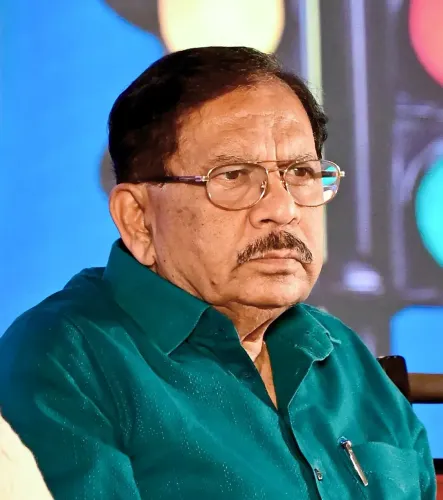
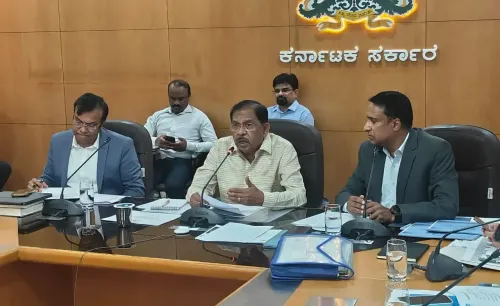
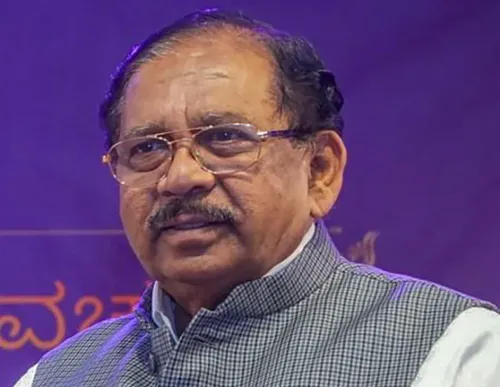
The Karnataka government has finalised 11 eligibility criteria for issuing Permanent Resident Certificates (PRCs) as the Election Commission of India (ECI) conducts its Special Intensive Revision (SIR) of electoral rolls, Deputy Chief Minister and Revenue Minister G. Parameshwara announced on Monday, 20 July. The move comes amid intensifying public debate over residency verification and concerns about non-residents allegedly accessing benefits meant for Karnataka's citizens.
Launch and Key Announcement
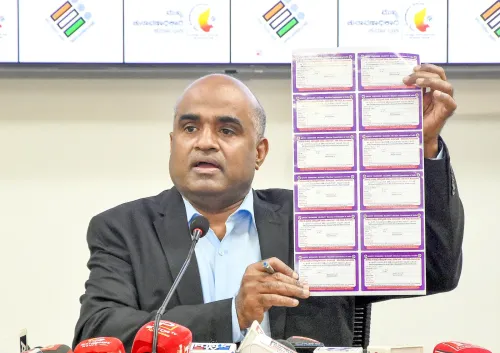
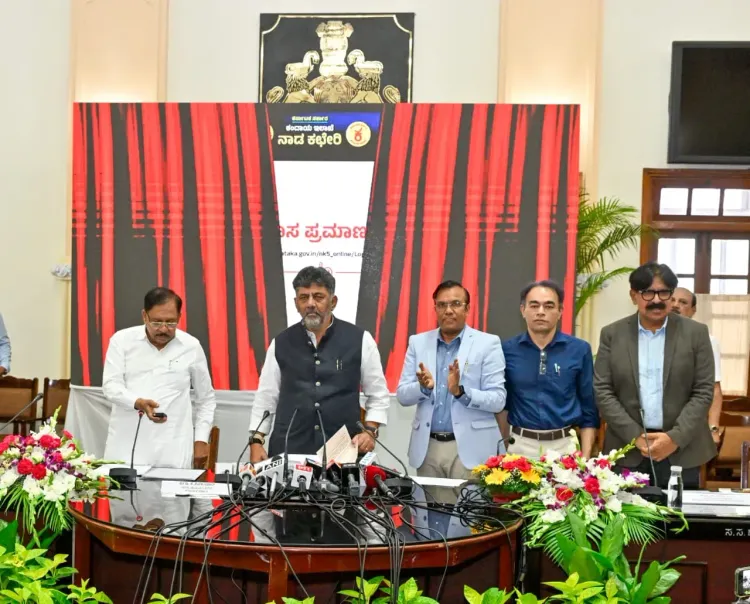
The initiative was formally launched at the Vidhana Soudha Conference Hall in Bengaluru by Chief Minister D.K. Shivakumar and Deputy Chief Minister Parameshwara. The event marked the rollout of a doorstep delivery service for both free caste certificates and PRCs — a programme the state government has framed as a step toward citizen-centric governance.
Chief Minister Shivakumar noted that the Permanent Resident Certificate is among the 11 documents recognised by the Election Commission for inclusion in electoral rolls, directly linking the PRC drive to the ongoing SIR exercise.
The 11 Eligibility Criteria Explained
According to Deputy Chief Minister Parameshwara, applicants need to satisfy any one of the prescribed conditions to qualify for a PRC. These include:
Birth in Karnataka; parents who have ordinarily resided in the state for at least 10 years; completion of Class 12 or 10 years of schooling in Karnataka; a spouse, parent, or legal guardian who is a permanent resident; ownership of residential or immovable property in the state; status as a legal heir; inclusion in existing electoral rolls; and documentary proof via Aadhaar, ration cards, revenue records, or other government-issued documents.
Additionally, government and public sector employees with at least seven years of service in Karnataka, individuals married to Karnataka residents, and those with continuous residence of at least 10 years in the state are also eligible.
Caste Certificate Drive: Scale and Reach
Alongside PRCs, the government has launched a large-scale distribution of caste certificates. Parameshwara said nearly 4.85 crore caste certificates have been identified for distribution — covering 1.36 crore beneficiaries under Categories 2A, 2B, 3A and 3B, 86 lakh under Category 1, and 2.63 crore Scheduled Caste and Scheduled Tribe certificate holders.
Citizens can access their certificates free of cost via the official website, through WhatsApp, or in person at hobli-level help centres, Nadakacheri, Grama One, and Bapuji service centres. Nearly 4.8 crore certificates have already been dispatched to Deputy Commissioners through Atal Janasnehi Kendras, with district administrations coordinating doorstep delivery via Tahsildars and field officials.
Grievance Redressal Mechanism
A dedicated grievance redressal system has been established for applicants facing difficulties. Appeals may be filed before Tahsildars, Deputy Tahsildars, and Sub-Divisional Officers. Deputy Commissioners have been empowered to order re-verification based on complaints received.
Context: Why PRCs Matter Now
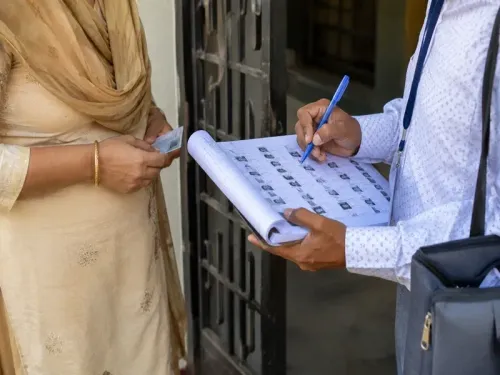
The PRC framework is directly tied to the ECI's SIR exercise, which has triggered wider political and administrative scrutiny of voter rolls across Karnataka. Parameshwara stated that PRCs would help residents establish legitimate residency during the revision process and address concerns about non-residents and illegal migrants allegedly availing state welfare benefits. 'Those who do not satisfy the prescribed eligibility criteria will remain outside the ambit of the PRC system,' he said.
The simultaneous rollout of caste certificates and PRCs signals the state government's intent to use the SIR window to both streamline documentation and shore up its voter outreach ahead of future electoral cycles.
Point of View
However, is notable: with any single condition sufficient for eligibility, the bar is relatively accessible, which may blunt the exclusionary edge the framework is rhetorically associated with. The real test will be in implementation — whether doorstep delivery actually reaches marginalised communities or becomes another document-access exercise that benefits those already in the system. With 4.85 crore caste certificates in the pipeline, the logistical ambition is real; the equity of execution remains to be seen.
NationPress
20 Oct 2026
Frequently Asked Questions
What are the 11 criteria for Karnataka's Permanent Resident Certificate?
An applicant qualifies if they meet any one of 11 conditions: birth in Karnataka, parents residing in the state for at least 10 years, 10 years of schooling or Class 12 completion in Karnataka, a Karnataka-resident spouse or guardian, property ownership, legal heir status, inclusion in electoral rolls, documentary proof via Aadhaar or revenue records, government service of at least 7 years in Karnataka, marriage to a Karnataka resident, or continuous residence of at least 10 years.
Why is Karnataka issuing Permanent Resident Certificates now?
The PRC drive is directly linked to the Election Commission of India's Special Intensive Revision (SIR) of electoral rolls. Deputy Chief Minister G. Parameshwara said PRCs will help residents establish legitimate residency during the revision and address concerns about non-residents and illegal migrants allegedly availing state welfare benefits.
How can Karnataka residents get their caste certificate or PRC?
Certificates are available free of cost via the official government website, through WhatsApp, or in person at hobli-level help centres, Nadakacheri, Grama One, and Bapuji service centres. A doorstep delivery mechanism through Tahsildars and field officials is also operational.
How many caste certificates is the Karnataka government distributing?
The Karnataka government has identified nearly 4.85 crore caste certificates for distribution — including 1.36 crore beneficiaries under Categories 2A, 2B, 3A and 3B, 86 lakh under Category 1, and 2.63 crore Scheduled Caste and Scheduled Tribe holders.
What is the grievance redressal process for PRC applicants in Karnataka?
Applicants facing difficulties can file appeals before Tahsildars, Deputy Tahsildars, or Sub-Divisional Officers. Deputy Commissioners have been empowered to order re-verification based on complaints received.