Karnataka PRC 2026: Shobha Karandlaje urges Amit Shah to halt rollout
Synopsis
A BJP Union Minister has formally asked the Home Ministry to freeze Karnataka's new Permanent Residence Certificate scheme — arguing it creates an unconstitutional residency category and could hand illegal immigrants a backdoor route to state benefits. With the Election Commission's voter-roll revision already underway, the Centre-state collision is heading toward a hard deadline.
Key Takeaways
Union Minister Shobha Karandlaje wrote to Home Minister Amit Shah on 10 July seeking immediate intervention against the Karnataka PRC, 2026 .
Shivakumar introduced the PRC to help citizens participate in the Election Commission's Special Intensive Revision (SIR) of electoral rolls.
Karandlaje argues the PRC violates Article 14 of the Constitution by creating an unauthorised 'permanent resident' category.
She warned that the scheme lacks citizenship verification through Central agencies, potentially allowing illegal immigrants to obtain the certificate.
The letter demands that Karnataka keep PRC implementation in abeyance pending a constitutional examination by the Union government.
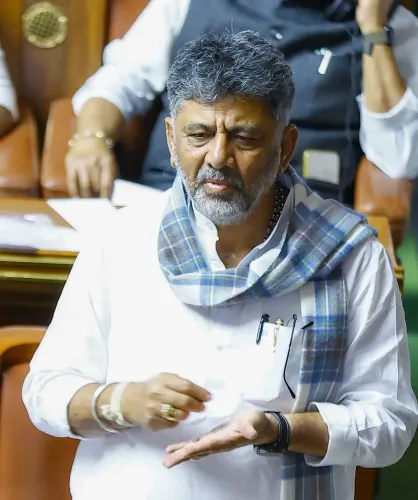
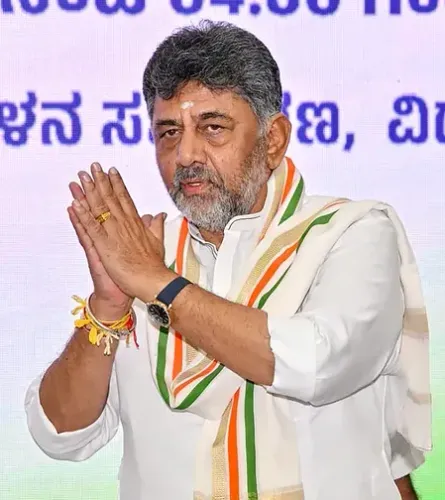
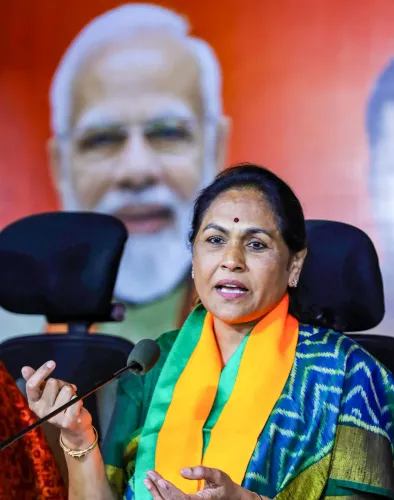
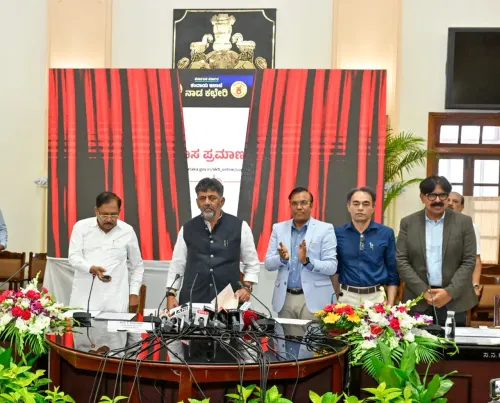
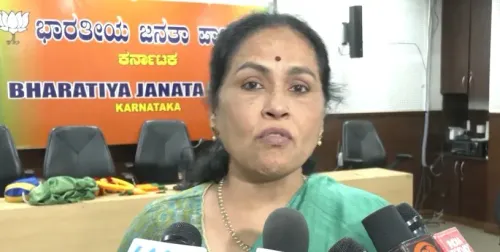
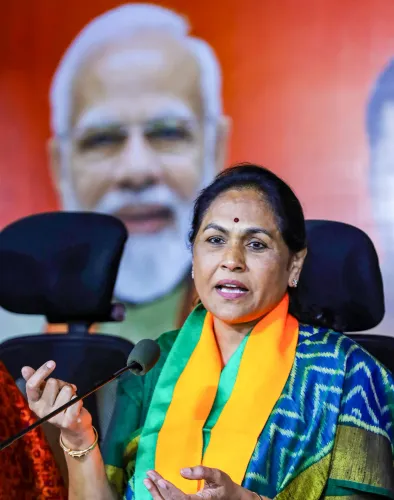
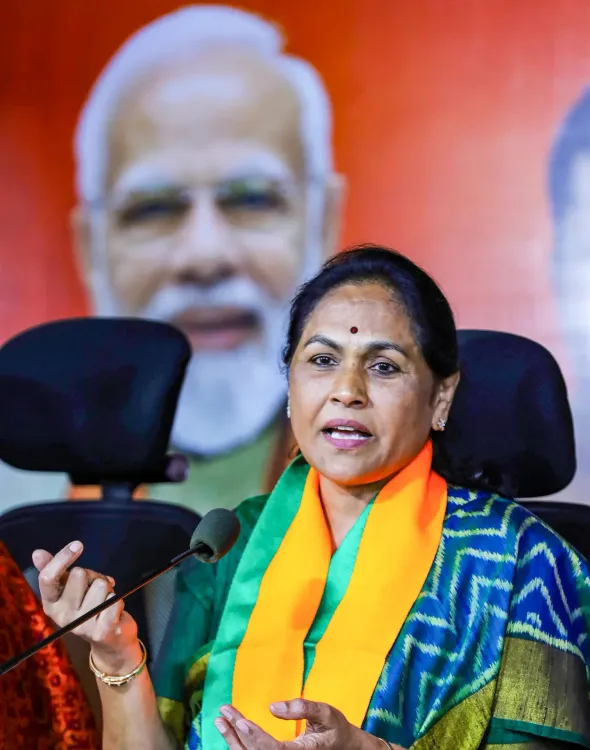
Union Minister of State Shobha Karandlaje on Friday, 10 July wrote to Home Minister Amit Shah, seeking his immediate intervention to halt the Karnataka Permanent Residence Certificate (PRC), 2026, citing serious constitutional violations and national security risks. The letter marks a direct escalation of the Centre-state standoff over Karnataka Chief Minister D.K. Shivakumar's decision to issue PRCs ahead of the Election Commission of India's Special Intensive Revision (SIR) of electoral rolls.
What the Karnataka PRC Is and Why It Was Introduced
Chief Minister D.K. Shivakumar announced the issuance of Permanent Residence Certificates to help eligible citizens participate in the Election Commission's Special Intensive Revision (SIR) of electoral rolls. He maintained that the move is designed to prevent legitimate voters from being struck off voter lists — a concern that has surfaced repeatedly during SIR exercises in other states as well.
However, critics argue the mechanism introduces a new documentary category that has no basis in India's constitutional framework, which recognises only one class of citizenship for all citizens across the country.
Karandlaje's Constitutional Objections
In her letter, Karandlaje argued that the Constitution of India envisages a single, unified citizenship for all citizens and that a state government creating a separate category of 'permanent residents' lacks any constitutional or statutory authority. She contended that such a classification is 'arbitrary' and 'violative of Article 14 of the Constitution', which guarantees equality before the law.
'By creating a separate class of individuals designated as permanent residents, the State Government is effectively conferring a distinct legal recognition that has no sanction under the Constitution,' she wrote.
National Security Concerns Flagged
Beyond the constitutional argument, Karandlaje raised what she described as an 'even more alarming' national security dimension. She pointed out that the eligibility criteria under the notification rely primarily on residence and local verification by revenue authorities, with no provision mandating citizenship verification through competent Central agencies.
She warned that this gap could allow persons who have illegally entered India to obtain a PRC through local documents or fraudulent means. Once issued, such a certificate could be used to access state benefits, government documents, educational admissions, and employment — effectively, she argued, 'legitimising illegal residence and frustrating the efforts of the Union government to identify and remove illegal immigrants.'
Notably, matters related to citizenship, foreigners, immigration, and internal security fall under the exclusive domain of the Union government under the Constitution's Seventh Schedule. Karandlaje argued that any state-level mechanism creating documentary recognition resembling permanent residency status has the potential to interfere with these central functions.
What Karandlaje Has Asked Shah to Do
The Union Minister's letter lists five specific demands: examine the constitutional validity of the Karnataka PRC, 2026; direct the Karnataka government to keep implementation in abeyance pending that examination; seek a detailed report from the state on the statutory authority behind the notification; ensure no PRC is issued without comprehensive citizenship verification through Central agencies; and take any further action necessary to safeguard the constitutional framework and national security.
What Happens Next
The Home Ministry has not yet issued a formal response to Karandlaje's letter. The Karnataka government has not indicated any willingness to pause the PRC rollout. With the Election Commission's SIR exercise underway, the timeline for resolution is tight — and the political temperature between the Bharatiya Janata Party (BJP) and the Congress-led Karnataka government is likely to rise further as the dispute moves toward a potential legal or administrative showdown.
Point of View
Karandlaje's legal argument is not without substance: India's Constitution does not provide states the authority to create residency-based documentary categories that parallel or overlap with citizenship. The real test will be whether the Home Ministry acts or allows the matter to play out in court, where the Karnataka government's defence — that the PRC is merely an administrative convenience for the SIR process — will face scrutiny. The absence of a mandatory Central citizenship-verification link in the PRC notification is the scheme's most legally vulnerable point, and the one most likely to attract judicial attention.
NationPress
8 Oct 2026
Frequently Asked Questions
What is the Karnataka Permanent Residence Certificate (PRC) 2026?
The Karnataka PRC 2026 is a certificate introduced by the Karnataka state government under Chief Minister D.K. Shivakumar to help eligible residents participate in the Election Commission of India's Special Intensive Revision of electoral rolls. The stated aim is to prevent legitimate voters from being deleted from voter lists during the revision exercise.
Why has Shobha Karandlaje objected to the Karnataka PRC?
Karandlaje argues the PRC is unconstitutional because India's Constitution recognises only a single citizenship, and a state cannot create a separate 'permanent resident' category without statutory authority. She also contends the scheme violates Article 14 and poses a national security risk by lacking mandatory citizenship verification through Central agencies.
What has Karandlaje asked Amit Shah to do?
She has requested the Home Minister to examine the constitutional validity of the Karnataka PRC 2026, direct the state government to halt implementation pending that examination, seek a report on the statutory authority behind the notification, and ensure no certificate is issued without comprehensive Central citizenship verification.
What is the national security concern raised about the Karnataka PRC?
Karandlaje warns that because the PRC relies on local residence documents and revenue-authority verification — with no Central citizenship check — illegal immigrants could fraudulently obtain the certificate. This could then be used to access state benefits, educational admissions, employment, and other entitlements, effectively integrating undocumented persons into the state's administrative framework.
Has the Home Ministry or Karnataka government responded?
As of the time of reporting, the Union Home Ministry has not issued a formal response to Karandlaje's letter, and the Karnataka government has not indicated any plan to pause the PRC rollout.