Karnataka PRC row: Kharge defends state's authority to issue residency certificates
Synopsis
Karnataka's Congress government is standing its ground on the PRC, 2026 notification, insisting it has the constitutional right to issue residency certificates. The BJP has taken the fight to the Centre, with MoS Shobha Karandlaje writing to Home Minister Amit Shah citing national security and constitutional concerns — setting up a potential Centre-state showdown over the limits of state authority.
Key Takeaways
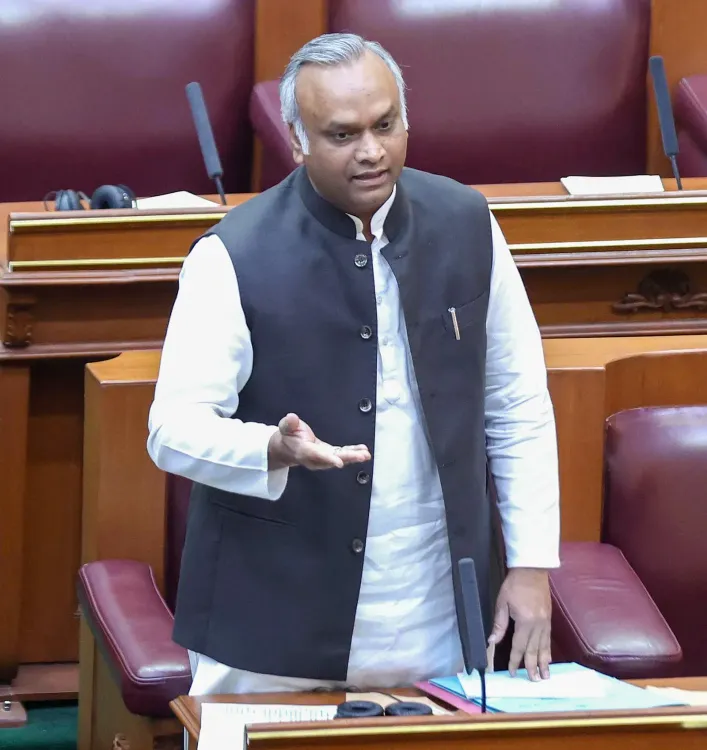
Karnataka Home Minister Priyank Kharge defended the state's Permanent Residency Certificate (PRC), 2026 notification on 10 July , citing constitutional authority.
BJP has alleged the PRC could be misused to benefit illegal immigrants — a charge the Karnataka government has denied.
Union MoS Shobha Karandlaje wrote to Home Minister Amit Shah seeking immediate intervention on constitutional and national security grounds.
Karandlaje argued the PRC creates a separate 'permanent resident' category, which she said is contrary to India's single-citizenship framework.
The Union Home Ministry is expected to examine the notification's constitutional validity, with potential legal proceedings if the dispute is not resolved.
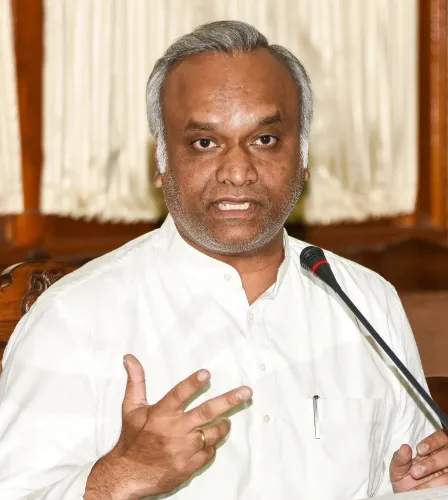
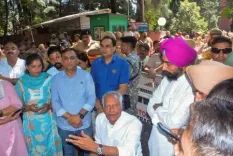
Karnataka Home Minister Priyank Kharge on Friday, 10 July firmly defended the state government's decision to issue Permanent Residency Certificates (PRC) under the Karnataka Permanent Residence Certificate (PRC), 2026 notification, asserting that the state has full constitutional authority to frame such rules. The move has triggered a sharp political confrontation between the ruling Indian National Congress (INC) government in Karnataka and the Bharatiya Janata Party (BJP) at both the state and central levels.
What the Karnataka Government Said
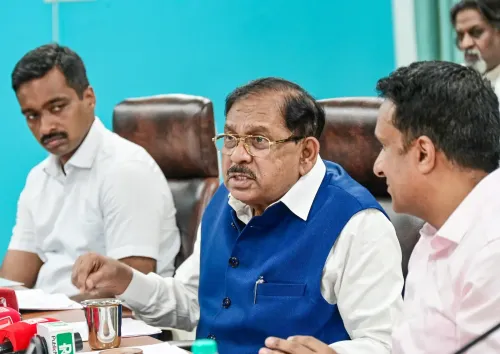
Home Minister Kharge pushed back against BJP's allegations, stating that issuing PRCs is a legitimate administrative function of an elected state government. 'Can't the state government frame rules regarding permanent residency? We are an elected government, and it is our responsibility to govern. We issue government orders through the established administrative system. We are issuing Permanent Residency Certificates through the government, not through the Congress party,' Kharge said.
He further questioned the basis of BJP's objections: 'I don't understand what their problem is. The government has every right to issue Permanent Residency Certificates in accordance with the law.'
BJP's Concerns and the Letter to Amit Shah
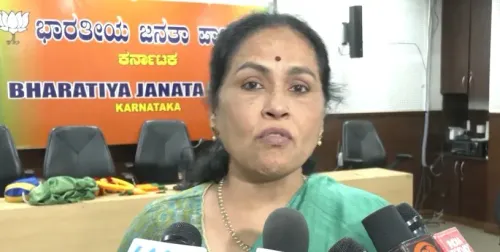
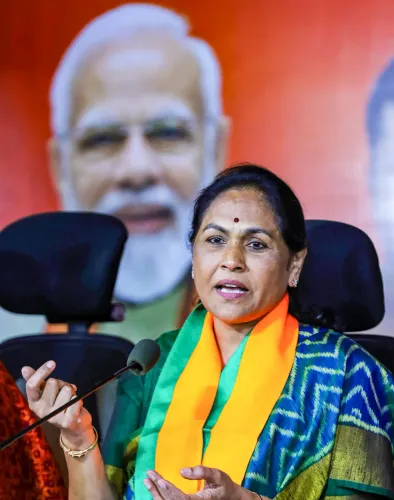
The controversy escalated after Union Minister of State Shobha Karandlaje wrote to Home Minister Amit Shah on Friday, urging his immediate intervention. In her letter, Karandlaje described the Karnataka notification as raising 'serious constitutional, legal and national security concerns that require urgent examination by the Union government.'
She argued that the Constitution of India envisages a single, unified citizenship for all Indians, and that introducing a 'Permanent Residence Certificate' at the state level seeks to create a separate category of 'permanent residents' without constitutional or statutory backing. The BJP has also alleged that the PRC mechanism could potentially be misused to benefit illegal immigrants — a charge the state government has rejected.
The Political Context
This is not the first time a state-level residency or domicile policy has sparked a Centre-state standoff in India. Several states have previously attempted to introduce domicile-based job reservation or residency frameworks, each drawing legal scrutiny over whether such measures encroach on the constitutional principle of single citizenship under Article 5 to Article 11.
Notably, the Karnataka government has framed the PRC as a purely administrative instrument — a means of documenting long-term residents — rather than a policy that confers differential rights. However, critics argue the notification's language leaves room for interpretation that could have broader implications.
What Happens Next
With the Union Home Ministry now formally approached, the Centre is expected to examine the constitutional validity of the Karnataka PRC, 2026 notification. Legal experts suggest the matter could eventually be referred to the courts if the two governments fail to reach an understanding. The political temperature in Bengaluru is likely to remain elevated as both sides dig in ahead of the next legislative session.
Point of View
The Centre has a strong case. What is striking is the BJP's choice to escalate directly to the Home Ministry rather than challenge the notification in court, suggesting this is as much a political manoeuvre ahead of the next election cycle as it is a constitutional concern. The real question mainstream coverage is missing: what exactly does the Karnataka PRC, 2026 notification say — and does it actually confer any enforceable rights or merely document residency? That text will determine whether this is a genuine legal crisis or a manufactured one.
NationPress
8 Oct 2026
Frequently Asked Questions
What is the Karnataka Permanent Residency Certificate (PRC) 2026?
The Karnataka Permanent Residence Certificate (PRC), 2026 is a notification issued by the Karnataka state government to provide permanent residency documentation to long-term residents of the state. The state government describes it as an administrative measure within its jurisdiction, while critics argue it may lack constitutional or statutory backing.
Why is the BJP opposing the Karnataka PRC notification?
The BJP alleges that the PRC mechanism could be misused to confer residency status on illegal immigrants, and that it contradicts India's constitutional framework of single citizenship. Union MoS Shobha Karandlaje has formally written to Home Minister Amit Shah seeking urgent intervention on these grounds.
What did Karnataka Home Minister Priyank Kharge say about the PRC?
Kharge asserted that the state government has full constitutional authority to frame rules and issue Permanent Residency Certificates. He said the certificates are being issued through established administrative channels and questioned why the BJP objects to a lawful administrative function of an elected government.
Who is Shobha Karandlaje and what has she demanded?
Shobha Karandlaje is a Union Minister of State who has written to Home Minister Amit Shah urging immediate central intervention against the Karnataka PRC, 2026 notification. She has argued the notification raises serious constitutional, legal, and national security concerns that require examination by the Union government.
What could happen next in the Karnataka PRC dispute?
The Union Home Ministry is expected to examine the constitutional validity of the Karnataka PRC, 2026 notification following Karandlaje's letter. Legal experts suggest the matter could be referred to the courts if the Centre and the Karnataka government do not reach an agreement, keeping the political controversy alive in the near term.