Karnataka's New Bill to Address Honour Crimes in Marriages
Synopsis
The Karnataka Congress government is introducing the 'Iva Nammava Iva Nammava Bill' to combat honour killings and protect inter-caste marriages. This legislation aims to empower couples facing familial coercion and violence, ensuring their right to marry freely.
Key Takeaways
The bill empowers consenting adults to marry freely.
Severe penalties are proposed for honour-related crimes.
Support systems, including helplines, will be established.
The bill aims to combat societal pressures against inter-caste marriages.
It addresses a significant rise in honour killings in Karnataka.
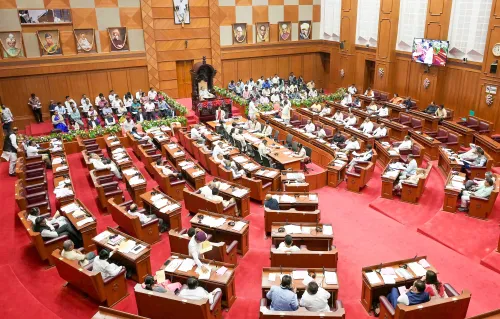
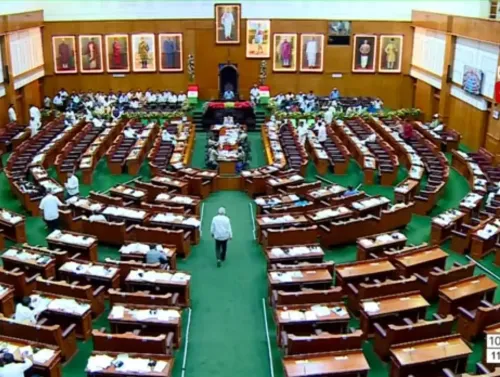
Bengaluru, March 18 (NationPress) The Congress government of Karnataka is set to present the “Iva Nammava Iva Nammava” (meaning “He is ours, he is ours”) Bill in the Assembly this Wednesday. This legislation is designed to combat “honour killings” and the violence that stems from caste-based opposition to inter-caste and inter-community marriages.
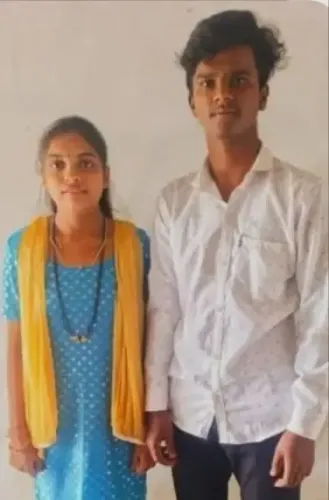
This initiative comes in response to a surge in violent incidents associated with inter-caste unions, notably the tragic murder of a pregnant woman, Manya Patil, who was killed by her father and relatives in Hubballi due to her marriage to a man from the Scheduled Caste.
The proposed law ensures the rights of consenting adults to marry freely, providing safeguards against coercion from family or community. Offenders will face severe penalties, including a minimum of five years in prison.
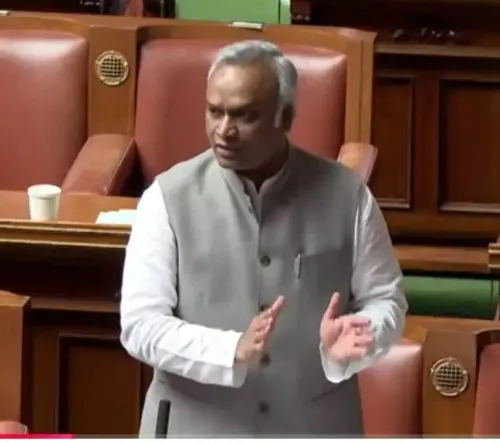
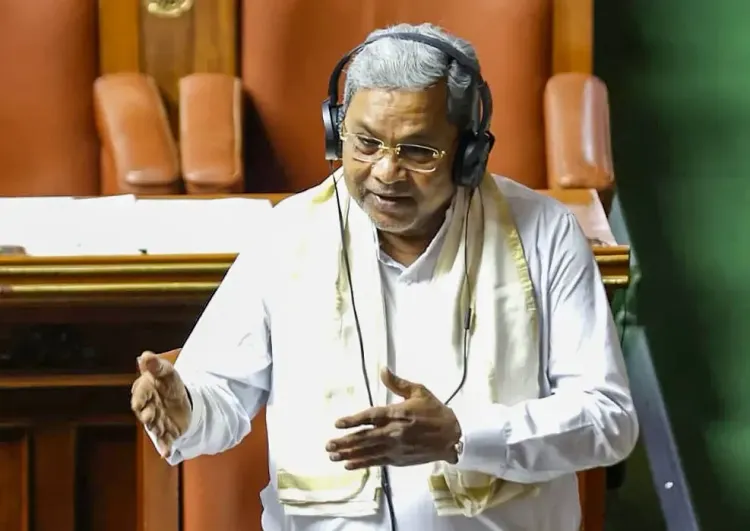
The Bill will be introduced in the Legislative Assembly by State Minister for Law and Parliamentary Affairs, H.K. Patil.
Named after a 12th-century Kannada vachana by social reformer Basavanna, the bill promotes equality and denounces discrimination with its title, which means “He is ours, he is ours.”
It will also establish 24-hour helplines and safe houses for couples threatened by familial or societal pressures. The definition of “honour crimes” extends beyond murder to include physical violence, forced marriages or divorces, social ostracism, and the performance of “thithi” (death rituals) for living individuals.
Offenses categorized under this legislation will be cognizable and non-bailable, with severe consequences, including life imprisonment for particularly violent acts.
This law aims to empower individuals, especially those in inter-caste, inter-community, or inter-religious marriages, allowing them to choose their partners without the fear of violence.
It is important to recall that Manya Patil was brutally murdered in December 2025 in Hubballi taluk, allegedly by her father and relatives for marrying a Dalit. Police have apprehended her father and two accomplices in the case.
Manya, a Lingayat, had married Vivekananda, a Dalit. The couple, who fell in love while studying, got married on June 19, 2025, at a registrar’s office in Hubballi. Despite earlier threats of suicide if Vivekananda did not marry her, the couple eventually reached a compromise mediated by the police. They relocated to Haveri but returned to their village on December 8, 2025, hoping for acceptance as Manya was pregnant.
However, tensions flared again between the two families. Despite police intervention advising both sides to maintain peace, Manya’s father and relatives allegedly stormed into her home and murdered her.
Point of View
The government aims to empower individuals to make personal choices free from societal pressures. This legislation is a crucial response to the alarming rise in honour crimes, demonstrating a commitment to safeguarding human rights in the region.
NationPress
16 Oct 2026
Frequently Asked Questions
What is the 'Iva Nammava Iva Nammava Bill'?
It is a bill introduced by the Karnataka government to combat honour killings and protect the rights of individuals in inter-caste and inter-community marriages.
What protections does the bill provide?
The bill guarantees the freedom to marry without coercion and establishes penalties for offenders, including imprisonment.
How does the bill define honour crimes?
Honour crimes include not only murder but also physical harm, forced marriages or divorces, and social boycotts against individuals.
What support systems does the bill propose?
It mandates the establishment of 24-hour helplines and safe houses for couples facing threats.
What incident prompted the introduction of this bill?
The bill was introduced following the brutal murder of Manya Patil, who was killed by her family for marrying a Dalit.