Karnataka launches Operation RISE, Beda Bro to intensify anti-drug drive
Synopsis
Karnataka has put numbers behind its anti-drug rhetoric — ₹216.93 crore in seizures in 2025, over 9,000 NDPS cases, and now two new initiatives targeting both supply and demand. Whether 'Beda Bro' can shift youth behaviour where enforcement alone has not is the real question this campaign must answer.
Key Takeaways
Karnataka launched Operation RISE (enforcement) and Beda Bro (youth awareness) on 30 June 2025 , the International Day Against Drug Abuse.
Narcotics worth ₹216.93 crore were seized in 2025 ; drugs worth ₹184.72 crore seized between January–May 2026 .
9,064 accused booked under the NDPS Act in 2025; 6,651 booked in the first five months of 2026.
4,276.405 kg of seized narcotics valued at ₹97.90 crore to be destroyed following court approval.
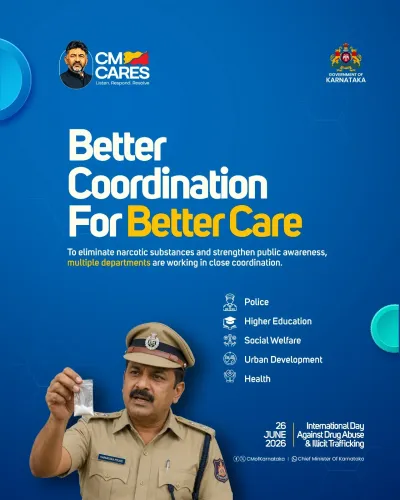
The Anti-Narcotics Task Force (ANTF) has been strengthened to address synthetic drugs, courier supply chains, and foreign trafficking networks.
Shivakumar reaffirmed a zero-tolerance policy, describing the crackdown as a 'war' on drugs.
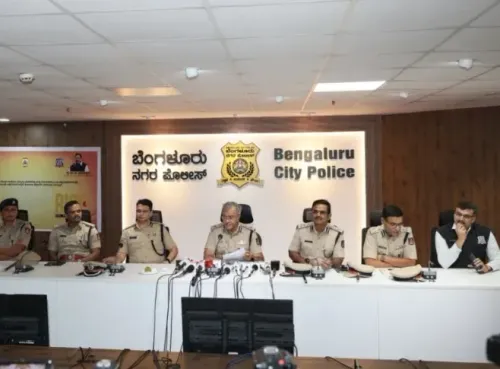
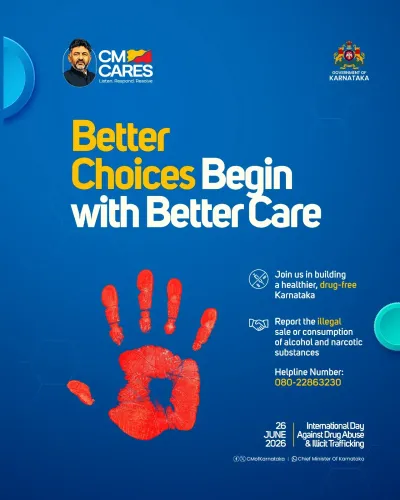
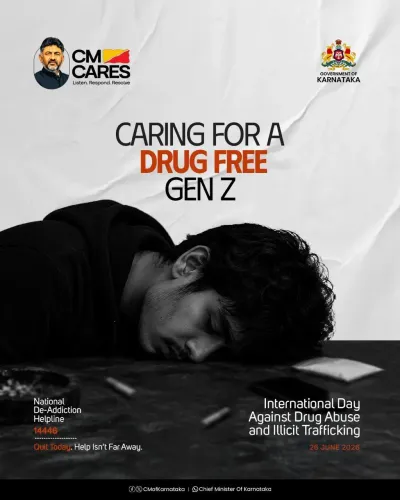
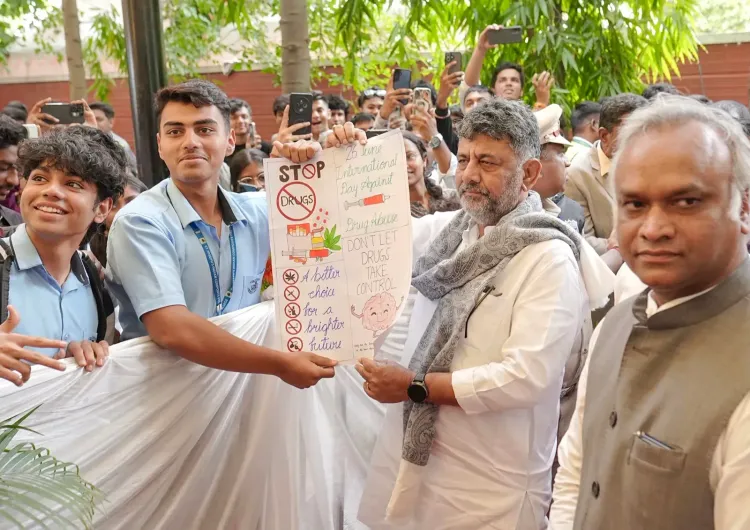
The Karnataka government, led by Chief Minister D.K. Shivakumar, on Tuesday, 30 June 2025, unveiled two major anti-drug initiatives — 'Operation RISE', a coordinated enforcement programme, and 'Beda Bro', a youth-focused awareness campaign — as part of an intensified state-wide crackdown on narcotic drugs and psychotropic substances. The announcements were made on the occasion of the International Day Against Drug Abuse and Illicit Trafficking, with the government reaffirming a zero-tolerance policy and describing the fight against narcotics as a 'war' that would continue until the menace is fully eradicated.
What Operation RISE and Beda Bro Entail
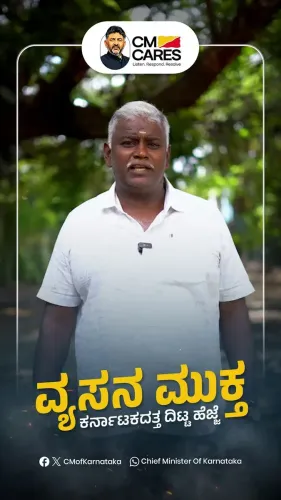
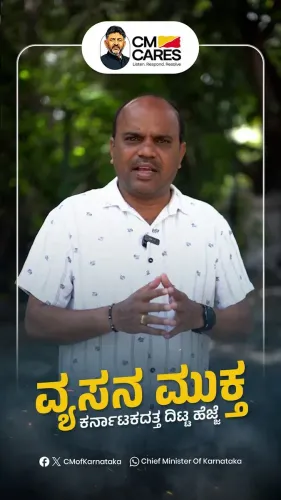
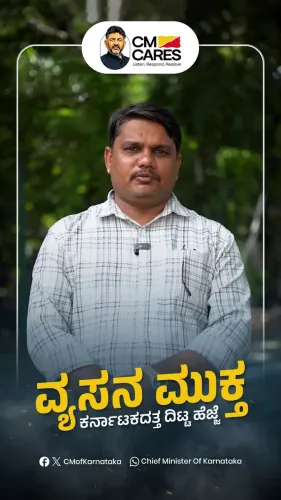
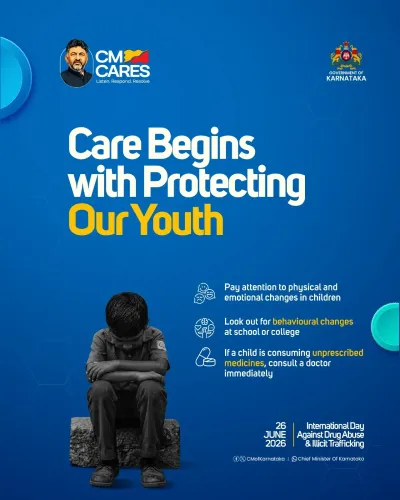
Operation RISE is a coordinated law enforcement drive to be executed by the Karnataka State Police, targeting drug supply chains, peddlers, and trafficking networks across the state. Running alongside it, the 'Beda Bro' campaign — whose name translates loosely to 'Don't, Bro' in Kannada — deploys simple, youth-friendly messaging to educate young people about the physical, mental, social, and legal consequences of drug abuse. The campaign also encourages participation in sports, education, and skill development as alternatives to substance use.
Awareness programmes, workshops, social media campaigns, and interactive outreach events are to be organised across Karnataka to reach students and working youth. The government said the initiative is designed to build resistance to peer pressure and promote informed decision-making among adolescents and young adults.
The Scale of Karnataka's Drug Problem
The government's own data underscores the urgency. During 2025, narcotics worth ₹216.93 crore were seized across the state, while drugs valued at ₹184.72 crore were confiscated in just the first five months of 2026 — between 1 January and 31 May. A total of 9,064 accused were booked under the Narcotic Drugs and Psychotropic Substances (NDPS) Act in 2025, with 6,651 persons already booked in 2026.
Police apprehended 2,611 drug peddlers in 2025 and 1,406 peddlers in the first five months of 2026. Drug consumers booked stood at 6,455 in 2025 and 5,090 so far in 2026. Authorities also arrested 41 drug manufacturers in 2025 and 17 in 2026 to date.
Why Urban Karnataka Remains Most Vulnerable
The government identified urban centres as the most exposed to drug abuse, citing a large student population, working youth, a nightlife economy, foreign resident clusters, and digital networks as key risk factors. Law enforcement agencies have repeatedly detected cases involving synthetic drugs, courier-based supply chains, and foreign nationals. According to the government statement, demand is driven by peer pressure, stress, recreation, and experimentation, while supply is sustained by organised crime groups, interstate trafficking routes, international networks, and digital platforms.
Notably, the rise of synthetic drugs and courier-based delivery — which reduces the physical footprint of trafficking — presents a distinct challenge that traditional enforcement models were not designed to address. The strengthening of the Anti-Narcotics Task Force (ANTF) is the government's primary structural response to this shift.
Drug Destruction and Legal Action
As part of the International Day Against Drug Abuse and Illicit Trafficking observance, the Karnataka Police will destroy 4,276.405 kg of seized narcotic substances valued at approximately ₹97.90 crore, following the requisite court permissions. The destruction is intended to signal institutional seriousness and prevent re-entry of confiscated substances into supply chains.
What Comes Next
The government said it will pursue a whole-of-government approach, bringing together law enforcement agencies, educational institutions, civil society organisations, and local communities. 'The Government of Karnataka firmly resolves to address this menace head-on and will work relentlessly towards the complete eradication of drugs from our society,' the official statement read. The sustained pace of seizures in the first five months of 2026 suggests enforcement pressure is being maintained, though the true test of both initiatives will be whether demand-side indicators — consumer bookings and first-time offenders — show a measurable decline over the coming quarters.
Point of View
000 NDPS cases and ₹216 crore in seizures in a single year — but the data also reveals a demand side that is not shrinking: consumer bookings remained high in both 2025 and the first five months of 2026. The 'Beda Bro' campaign is a welcome pivot toward prevention, but youth-awareness drives in India have historically struggled to demonstrate measurable behaviour change without sustained, independently evaluated follow-through. The more telling metric will be repeat-offender rates and first-time consumer bookings a year from now. Naming a campaign is the easy part; defunding the peer-pressure economy that feeds demand is the structural challenge Karnataka has yet to crack.
NationPress
29 Sept 2026
Frequently Asked Questions
What is Operation RISE launched by Karnataka?
Operation RISE is a coordinated law enforcement programme launched by the Karnataka State Police on 30 June 2025 to intensify action against drug trafficking, peddling, and supply networks across the state. It runs alongside the 'Beda Bro' youth awareness campaign as part of a dual enforcement-and-prevention strategy.
What is the Beda Bro campaign in Karnataka?
Beda Bro is a youth-focused public awareness initiative launched by the Karnataka government to discourage substance abuse through education, community participation, and social media outreach. The campaign uses relatable messaging to inform young people about the physical, mental, social, and legal consequences of drug use and promotes sports and skill development as alternatives.
How much in drugs has Karnataka seized in 2025 and 2026?
Karnataka seized narcotics worth ₹216.93 crore during all of 2025, and drugs valued at ₹184.72 crore in just the first five months of 2026 (January to May). Additionally, 4,276.405 kg of previously seized substances worth ₹97.90 crore are set to be destroyed following court approval.
How many people have been booked under the NDPS Act in Karnataka?
A total of 9,064 persons were booked under the Narcotic Drugs and Psychotropic Substances (NDPS) Act in 2025, while 6,651 have been booked in the first five months of 2026. Of these, 2,611 were drug peddlers in 2025 and 1,406 peddlers in the first five months of 2026.
Why are urban areas in Karnataka considered most vulnerable to drug abuse?
The Karnataka government has identified urban centres as most at risk due to a large student population, working youth, an active nightlife economy, foreign resident clusters, and the reach of digital networks. Authorities have repeatedly detected cases involving synthetic drugs, courier-based supply chains, and foreign nationals in these areas.