Kashmir Marathon 2026: J&K Police flags off 'Run for Unity' in Srinagar, targets drug menace
Synopsis
J&K Police's 'Kashmir Marathon 2026 — Run for Unity' in Srinagar is more than a race — it is a public statement about a region where an estimated 10 to 13.5 lakh people are trapped in substance abuse and intravenous heroin now dominates 95% of addiction cases. ADGP Nitish Kumar's flag-off signals sport as a frontline tool against one of Jammu and Kashmir's gravest public health emergencies.
Key Takeaways
J&K Police organised the 'Kashmir Marathon 2026 — Run for Unity' in Srinagar on 1 October 2026 .
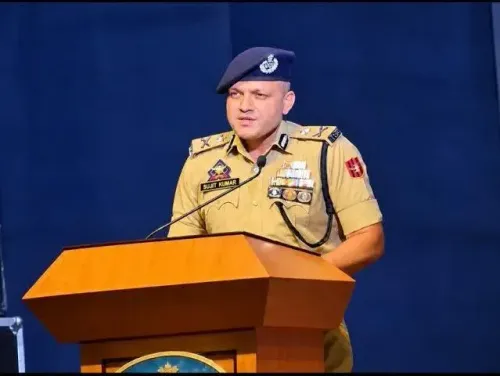
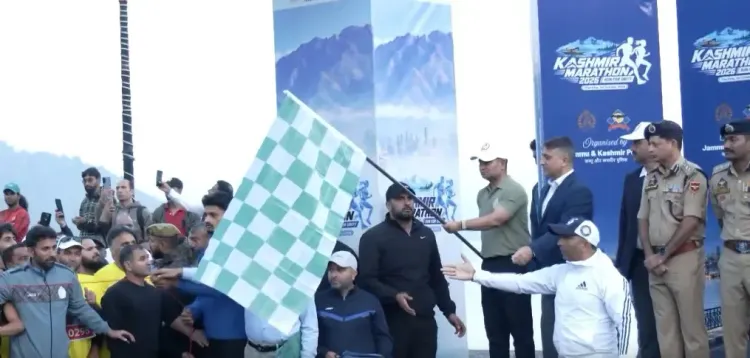
ADGP Nitish Kumar flagged off the event, stressing sport as a tool for positive youth engagement and anti-drug efforts.
An estimated 10 lakh to 13.5 lakh people in Jammu and Kashmir are active drug users, including tens of thousands under age 17 .
Intravenous heroin accounts for roughly 95% of addiction cases at major facilities like IMHANS , Srinagar.
Addicts reportedly spend between ₹88,000 and ₹90,000 per month on heroin, pushing families into severe debt.
Upcoming events include a cycle race and the Jashn-e-Dal water sports event on Dal Lake , both expected within days.
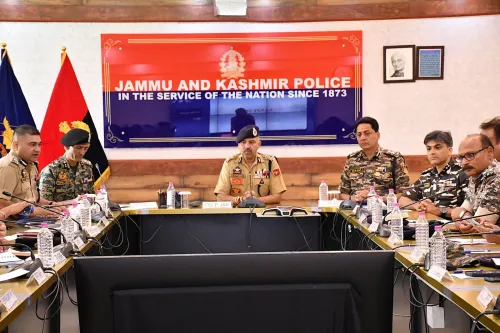
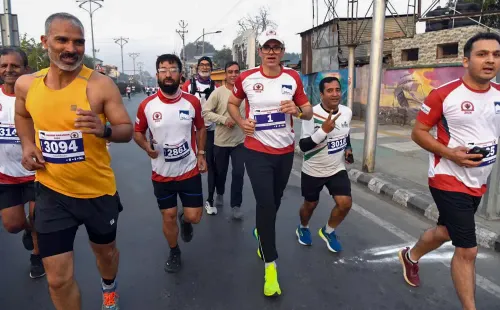
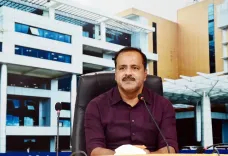
Jammu and Kashmir Police on Thursday, 1 October 2026, organised the 'Kashmir Marathon 2026 — Run for Unity' in Srinagar, with Additional Director General of Police (ADGP) Nitish Kumar flagging off the event. The marathon aimed to harness the power of sport in channelling youth energy constructively and countering the region's deepening drug abuse crisis.
ADGP's Message on Youth and Sports
Speaking to reporters on the sidelines of the event, ADGP Nitish Kumar stressed that sporting activities are essential for building discipline and social cohesion among young people. 'It is very important because today's youth are the future of society. Sporting activities help build discipline and bring people together,' he said.
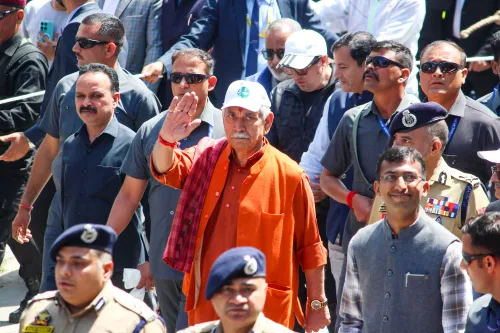
Kumar expressed satisfaction at the turnout, noting that participation had surpassed expectations, with runners arriving from outside Jammu and Kashmir as well. 'The biggest thing is the sportsman spirit. You can see that people from all walks of life are participating. This is a good thing,' he added.
Upcoming Events: Cycle Race and Jashn-e-Dal
The ADGP announced that J&K Police intends to organise a series of follow-up activities in the coming days. These include a cycle race in Srinagar and the much-anticipated Jashn-e-Dal water sports event on the iconic Dal Lake, scheduled to be held 'within a few days', according to Kumar.
Notably, the back-to-back sporting calendar signals a deliberate institutional push to create regular, structured engagement opportunities for the region's youth — moving beyond one-off events toward a sustained programme.
The Drug Crisis Driving the Campaign
The anti-drug message at the heart of the marathon reflects a stark public health emergency in Jammu and Kashmir. According to available data, roughly 8 to 10 per cent of the region's population is affected by substance use, with estimates placing the number of active drug users between 10 lakh and 13.5 lakh — including tens of thousands of adolescents and children under the age of 17.
The region has seen an alarming shift from traditional cannabis and medicinal opioids to intravenous heroin, which reportedly accounts for approximately 95 per cent of addiction cases handled at major health facilities, including the Institute of Mental Health and Neurosciences (IMHANS) in Srinagar. Addicts are reportedly spending between ₹88,000 and ₹90,000 per month to procure heroin, pushing families into severe debt. High rates of Hepatitis C among intravenous users have compounded the health burden.
Nasha Mukt Abhiyan and Police-Led Interventions
ADGP Kumar pointed to the Nasha Mukt Abhiyan as a concrete outcome of the police's sustained efforts against substance abuse. 'Drugs and alcohol are the main sources of addiction in our society,' he said, adding that J&K Police had demonstrated how children and youth could be guided away from drug dependency through structured intervention.
Critics and health experts have long argued that policing alone cannot address a crisis of this scale, and that community-based rehabilitation and mental health infrastructure must keep pace with enforcement. The marathon's emphasis on sport as a preventive tool represents one facet of a broader, multi-pronged response that the region urgently needs.
What Comes Next
With the Jashn-e-Dal water sports event and a cycle race imminent, J&K Police appears committed to maintaining momentum beyond the marathon. Whether this sporting calendar translates into measurable reductions in youth drug use will depend on how well these events are integrated with rehabilitation and awareness programmes on the ground.
Point of View
But the numbers it is running against are sobering: up to 13.5 lakh active drug users in a single Union Territory, with intravenous heroin dominating 95% of clinical cases and monthly procurement costs bankrupting families. Sport can build social cohesion at the margins, but it is not a substitute for the addiction treatment infrastructure and mental health services that J&K still lacks at scale. The Nasha Mukt Abhiyan has produced awareness; what the region now needs is a commensurate investment in rehabilitation beds, community counsellors, and harm-reduction programmes — metrics that a marathon finish line cannot capture.
NationPress
1 Oct 2026
Frequently Asked Questions
What is the Kashmir Marathon 2026 'Run for Unity'?
It is a marathon event organised by Jammu and Kashmir Police in Srinagar on 1 October 2026 , aimed at promoting youth engagement through sport and raising awareness about drug abuse. The event drew runners from across J&K and from outside the region.
Why is J&K Police organising sports events to combat drug abuse?
J&K Police believes that structured sporting activities help channel youth energy positively and reduce vulnerability to substance abuse, as part of the broader Nasha Mukt Abhiyan (drug-free mission). ADGP Nitish Kumar has stated that constructive engagement through sport builds discipline and community bonds.
How serious is the drug problem in Jammu and Kashmir?
Extremely serious — according to available data, between 10 lakh and 13.5 lakh people in J&K are active drug users, roughly 8 to 10% of the population. The shift to intravenous heroin, which accounts for about 95% of cases at IMHANS, and monthly procurement costs of up to ₹90,000 have made the crisis both a health and an economic emergency.
What other events are planned after the marathon?
J&K Police has announced a cycle race and the Jashn-e-Dal water sports event on Dal Lake in Srinagar, both expected to be held within a few days of the marathon.
What is the Nasha Mukt Abhiyan?
The Nasha Mukt Abhiyan is a drug-eradication and awareness campaign spearheaded by Jammu and Kashmir Police , aimed at reducing substance abuse through community outreach, youth engagement, and enforcement. ADGP Kumar cited it as a key outcome of police efforts against the drug menace in the region.