Kashmir Valley Sees Educational Institutions Reopen After Protests
Synopsis
On March 9, educational institutions in Kashmir Valley reopened following a period of unrest triggered by protests against US-Israeli actions in Iran. As life returns to normal, students eagerly resume their studies.
Key Takeaways
All educational institutions in Kashmir Valley resumed on March 9.
Closure was due to protests against US-Israeli actions.
Authorities managed the situation with restraint to prevent violence.
Community leaders were involved in promoting responsible expression of grief.
Students returned to school after a week-long break.
Srinagar, March 9 (NationPress) - On Monday, all educational facilities throughout the Kashmir Valley resumed operations as normalcy returned across the region's 10 districts, following the decline of protests supporting Ayatullah Ali Khamenei that erupted after the US-Israeli assaults on Iran.
Authorities confirmed that schools, colleges, universities, and other learning institutions were back in session on this day.
Previously, these establishments had been closed as a precautionary response to the unrest stemming from the US-Israeli strikes on Iran and the assassination of Iranian Supreme Leader Khamenei.
J&K Education Minister, Sakina Itoo, announced that with the restoration of calm in the Valley, all educational institutions were instructed to recommence their activities today.
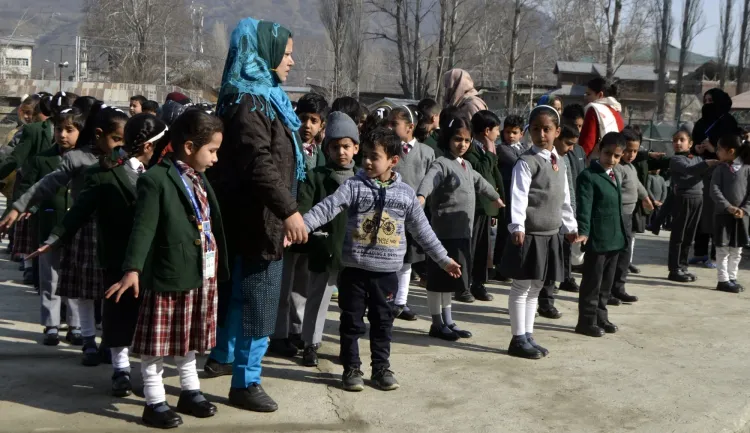
Excited schoolchildren donned vibrant uniforms and eagerly awaited their school buses alongside their parents in the morning.
A fleet of school buses departed early from various districts, while college and university students flocked to public transport to return to their campuses after a week-long break.
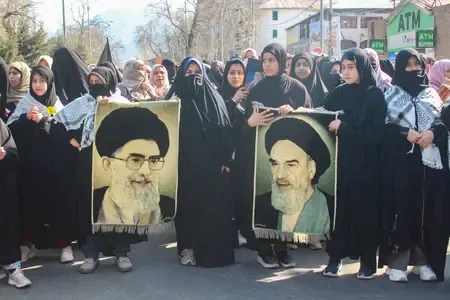
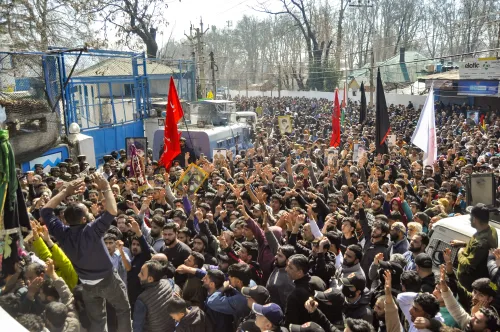
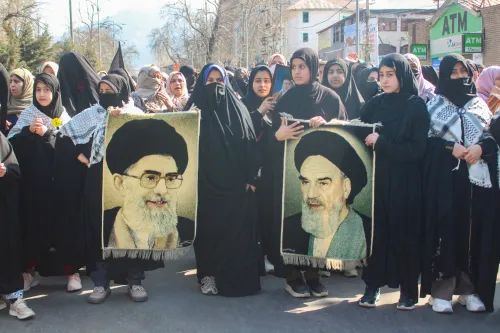
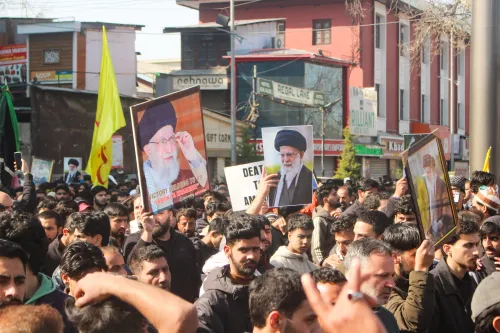
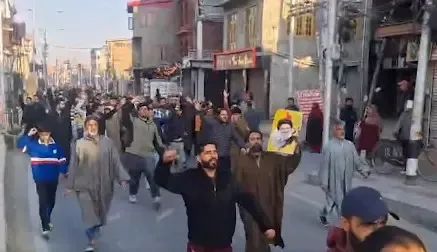
In the aftermath of Khamenei's death on February 28 due to joint US-Israeli operations, thousands of outraged Shia Muslims, joined by Sunni Muslims, took to the streets, voicing pro-Islam and anti-US/Israel sentiments.
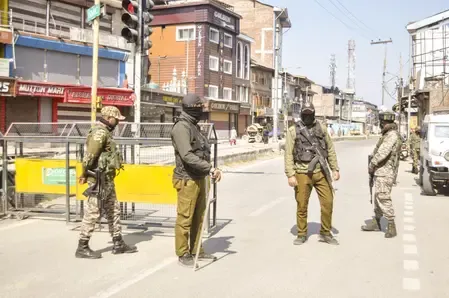
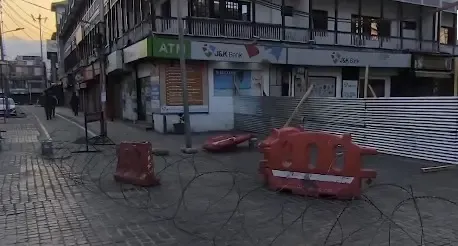
Some clashes occurred between the furious protesters and law enforcement, prompting authorities to implement restrictions across the Valley.
During this tumultuous period, police and security forces exercised significant restraint to prevent casualties and damage to public property while maintaining order.
Chief Minister Omar Abdullah engaged with members of civil society from religious, social, and business backgrounds in Srinagar, urging them to channel the community's grief in a responsible and dignified manner.
Omar Abdullah received a positive response from prominent figures within the Shia community.
Director General of Police, Nalin Prabhat, remained in the Valley throughout the duration of the imposed restrictions.
Senior police officials, led by the DGP, visited protest-affected areas, instructing deployed forces to manage the situation with both firmness and diplomacy.
Frequently Asked Questions
Why were educational institutions in Kashmir Valley closed?
They were closed as a precautionary measure following protests against US-Israeli attacks on Iran and the killing of Iranian Supreme Leader Khamenei.
When did educational institutions reopen?
All educational institutions reopened on March 9, following a restoration of normalcy in the Valley.
What measures were taken by authorities during the protests?
Authorities imposed restrictions and the police exercised restraint to maintain order and prevent casualties.
How did students react to the reopening of schools?
Students were excited and eagerly awaited their school buses to return to classes.
Who is the J&K Education Minister?
The J&K Education Minister is Sakina Itoo.