Kathua paddy procurement target jumps from 36k to 60k MT

Synopsis
The paddy procurement target for Jammu and Kashmir UT has been raised from 36,000 to 60,000 metric tons, a two-thirds jump welcomed by local BJP leader Asha Devi of Kathua, who publicly thanked Union Minister Dr. Jitendra Singh for the revision benefiting the region's farmers.
Key Takeaways
The paddy procurement target for Jammu and Kashmir Union Territory has been raised from 36,000 metric tons to 60,000 metric tons .
BJP leader Asha Devi of Kathua district publicly thanked Union Minister Dr.
Jitendra Singh for the revision.
The hike represents a ~67% increase in the government's paddy purchase ceiling for the current marketing season.
Paddy farmers in the Kathua and broader Jammu belt stand to benefit from an expanded guaranteed-price procurement window.
Agricultural procurement in J&K has been under closer central oversight since the UT's reorganisation in 2019 .
Actual procurement volumes against the revised target will be the key metric to watch through the current kharif marketing season.
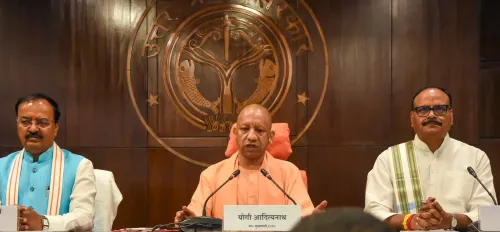
A single policy revision is set to change the harvest season math for thousands of paddy farmers in Kathua: the government paddy procurement target for Jammu and Kashmir Union Territory has been revised upward from 36,000 metric tons to 60,000 metric tons — a jump of two-thirds — in what local BJP leaders are hailing as a direct win for the region's agrarian communities. Union Minister of State (Independent Charge) for Science and Technology Dr. Jitendra Singh, who holds political roots in Jammu and Kashmir, drew public thanks from BJP leader Asha Devi of Kathua district for the revision.
What the revised target means for Kathua's paddy belt
The post, shared on 1 November 2026, records BJP leader Asha Devi publicly expressing gratitude to Dr. Jitendra Singh for the procurement target hike. The revision — from 36,000 to 60,000 metric tons — directly affects paddy farmers across the Union Territory who depend on government procurement at the Minimum Support Price to secure guaranteed returns on their crop.
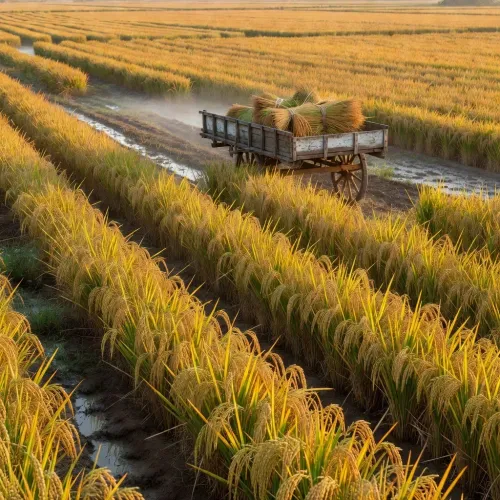
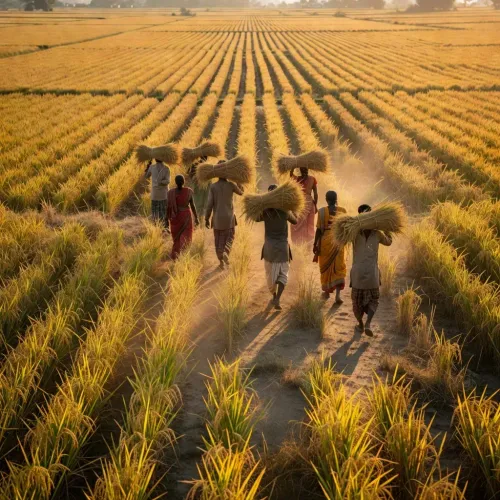
Kathua district sits in the Jammu division, a predominantly agrarian belt where paddy is a primary kharif crop. A larger government procurement window means more farmers can sell to state agencies rather than being pushed toward open-market traders who often offer below-MSP prices during peak harvest season.
Procurement policy in J&K since the 2019 reorganisation
Since Jammu and Kashmir was reorganised into a Union Territory in 2019, agricultural procurement policy in the region has come under closer central oversight. Periodic revisions to procurement targets form part of the broader agricultural support architecture the Centre has extended to the UT, aiming to integrate its farm economy more tightly with national food security systems.
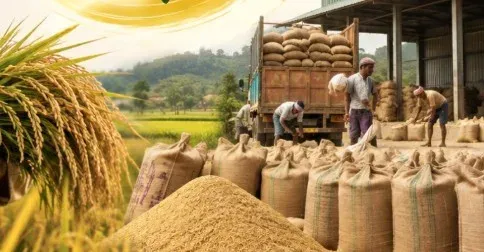
The Food Corporation of India and state civil supplies agencies are the primary procurement machinery in the region. Whether actual purchases match the revised 60,000 metric ton ceiling during the current marketing season will be the real test of the announcement's impact on the ground.
For Kathua's farmers, the numbers are straightforward: a bigger procurement net, more assured buyers, and a better shot at price protection when the grain hits the market. The season's actual intake will tell the full story.
Point of View
The post weaves agricultural welfare and political credit-claiming into a single message, reinforcing the party's ground-level outreach in agrarian Jammu ahead of any future electoral cycle. The real measure of this revision's success, however, will not be the target itself but the gap — if any — between the 60,000 MT ceiling and what procurement agencies actually purchase when the season closes.
NationPress
1 Nov 2026
Frequently Asked Questions
What is the new paddy procurement target for Jammu and Kashmir?
The paddy procurement target for Jammu and Kashmir Union Territory has been revised upward to 60,000 metric tons , up from the earlier target of 36,000 metric tons .
Who thanked Dr. Jitendra Singh for the paddy procurement revision?
Asha Devi , a BJP leader from Kathua district in Jammu, publicly thanked Union Minister Dr. Jitendra Singh for the increase in the paddy procurement target.
How does the paddy procurement target increase help farmers in Kathua?
A higher procurement target means more paddy farmers in Kathua and surrounding areas can sell their crop to government agencies at the Minimum Support Price , reducing their dependence on open-market traders who may offer lower prices during harvest season.
Who manages paddy procurement in Jammu and Kashmir?
Paddy procurement in Jammu and Kashmir is handled primarily by the Food Corporation of India and state civil supplies agencies, operating under central oversight since J&K became a Union Territory in 2019 .
What is Dr. Jitendra Singh's role in the Union government?
Dr. Jitendra Singh serves as Union Minister of State (Independent Charge) for Science and Technology and Earth Sciences, and also holds the portfolio of Minister of State in the Prime Minister's Office and for Personnel.