Kejriwal Alleges 1 kg Gold Ram Charit Manas Gone Missing
Synopsis
AAP convenor Arvind Kejriwal has alleged that a one-kilogram gold copy of the Ram Charit Manas, donated by a former Home Secretary, has gone missing. He accused those responsible of committing a grave sin, intensifying scrutiny over transparency in religious donation management.
Key Takeaways
AAP convenor Arvind Kejriwal alleged on 4 July 2026 that a one-kilogram gold Ram Charit Manas has gone missing.
The gold copy was reportedly donated by a former Home Secretary with deep devotion to a religious institution.
Kejriwal described those responsible as having committed a mahāpāp — a grave or cardinal sin.
The post is part of a broader pattern of AAP raising allegations of mismanagement of donations at religious sites.
No official response from the concerned temple or trust administration has been issued as yet.
The allegation may trigger demands for a formal audit of the institution's donation records.
AAP convenor Arvind Kejriwal on Saturday, 4 July 2026 alleged that a one-kilogram gold copy of the Ram Charit Manas — donated with deep devotion by a former Home Secretary — has gone missing, calling those responsible for the theft guilty of a grave sin.
Context
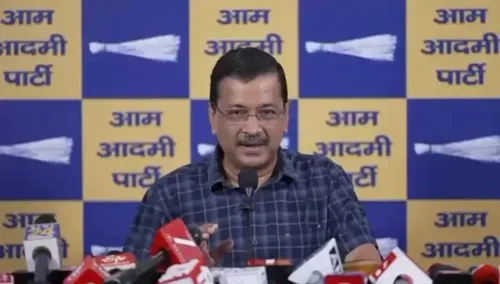
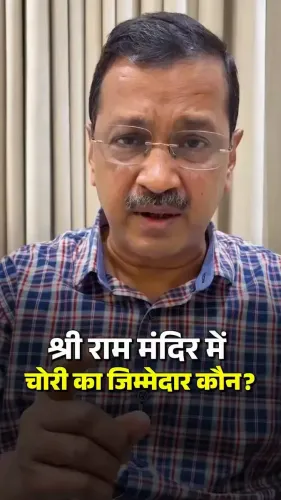
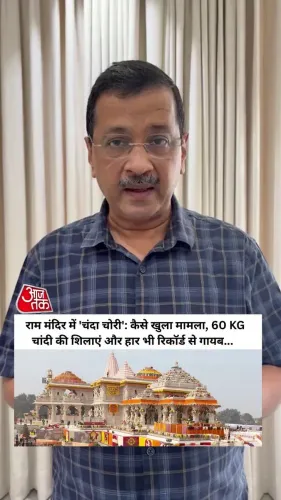
Kejriwal posted in Hindi: 'Pūrva gṛha sachiv dvārā pūrī śraddhā se chaṛhāī gaī ek kilo sone kī Rām Charit Mānas bhī gāyab hai. Chandā choron ne mahāpāp kiyā hai.' Translated: 'A one-kilogram gold Ram Charit Manas, offered with complete devotion by the former Home Secretary, is also missing. The donation thieves have committed a grave sin.' The post is accompanied by a video, the contents of which form part of the allegation.
The Ram Charit Manas is a revered 16th-century Hindi devotional text by the poet Tulsidas, and a gold-bound copy would represent a significant religious offering of both spiritual and material value. The identity of the former Home Secretary referenced in the post has not been independently confirmed.
Policy Backdrop
The Aam Aadmi Party, founded in 2012 in the wake of the India Against Corruption movement, has consistently positioned itself as a watchdog on misuse of public and religious donations. Allegations of mismanagement at religious trusts and temple administrations have become a recurring feature of Indian political discourse, with opposition parties frequently demanding audits of high-value offerings.
Across multiple states, debates over transparency in the administration of temple funds and donated valuables have intensified in recent years, with courts and government panels periodically ordering inquiries into missing or misappropriated items at prominent shrines.
Stakeholders and Impact
The allegation directly implicates the trust or institution that received the gold copy of the Ram Charit Manas, raising questions about its inventory management and internal oversight. Devotees who contribute high-value offerings to religious institutions are among the most directly affected stakeholders, as the credibility of such institutions rests on the assurance that donations are preserved and honoured.
The former senior civil servant cited in the post — a former Home Secretary — represents the class of high-ranking officials who make significant personal donations to religious sites, lending the allegation added political weight. If substantiated, the disappearance of such a donation could prompt demands for a formal inquiry by state or central authorities.
What's Next
Attention will now focus on whether the concerned temple or trust administration issues a formal response accounting for the donated item. Opposition pressure and public interest may compel an independent audit of the institution's donation records, particularly for high-value offerings.
Any official inquiry or audit ordered in the wake of this allegation would set a precedent for accountability in the handling of precious religious donations across similar institutions in India.
Point of View
The post frames the alleged theft not merely as a financial crime but as a moral transgression — a framing designed to resonate deeply with religious sentiment. The broader pattern of such allegations, often surfacing without immediate documentary evidence, underscores how temple governance has become a contested political terrain in contemporary India. Whether this particular allegation leads to a verifiable inquiry or remains a political salvo will determine its lasting impact.
NationPress
4 Jul 2026
Frequently Asked Questions
What did Kejriwal allege about the Ram Charit Manas?
Kejriwal alleged that a one-kilogram gold copy of the Ram Charit Manas, donated by a former Home Secretary, has gone missing from a religious institution, calling those responsible guilty of a grave sin.
Who donated the gold Ram Charit Manas according to Kejriwal?
According to Kejriwal's post, the gold Ram Charit Manas was donated with great devotion by a former Home Secretary, though the individual has not been named or independently identified.
What is the Ram Charit Manas?
The Ram Charit Manas is a revered 16th-century Hindi devotional epic composed by the poet Tulsidas, retelling the story of Lord Ram. A gold-bound copy represents a significant religious and material offering.
Has the temple or trust responded to Kejriwal's allegation?
As of the time of reporting, no official response from the concerned temple or trust administration has been issued addressing the alleged disappearance of the donation.
What action could follow Kejriwal's allegation?
The allegation could lead to demands for an independent audit of the institution's donation records, and potentially a formal inquiry by state or central authorities if political pressure mounts.