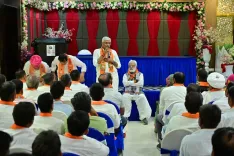
Kejriwal visits Parliament PS, demands FIR list for arrested minors
Synopsis
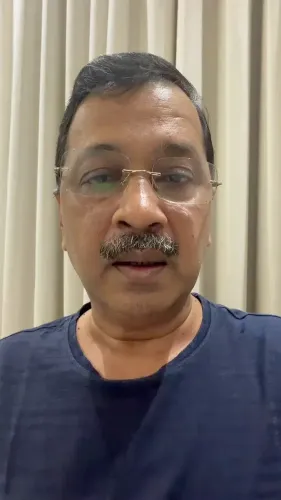
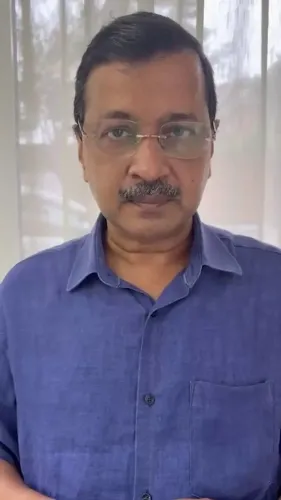
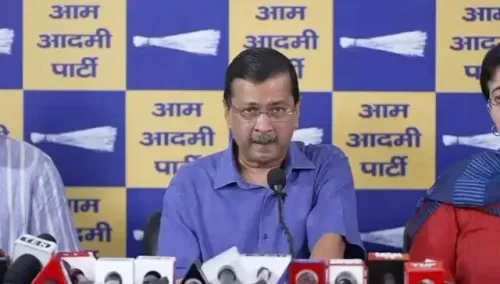
AAP convenor Arvind Kejriwal arrived at Parliament Street Police Station on 21 July 2026, waiting outside the DCP's office to demand public disclosure of all FIRs from the previous day's protest and a list of minors held without FIR, assuring their families of his support.
Key Takeaways
Kejriwal visited Parliament Street Police Station on 21 July 2026 and waited outside the DCP's chamber.
He demanded a complete public list of all FIRs filed in connection with the 20 July 2026 protest near Parliament.
He also demanded disclosure of the names and jail locations of minors arrested without an FIR.
Kejriwal directly addressed detained children and their parents, assuring them: 'You are ours.
We will not let anything happen to you.' Delhi Police is controlled by the Ministry of Home Affairs , not the elected Delhi government, a jurisdictional tension underlying this confrontation.
Detention of minors without FIR raises questions under the Juvenile Justice Act , which mandates separate procedures for under-18 detainees.
AAP convenor Arvind Kejriwal arrived at the Parliament Street Police Station on Tuesday, 21 July 2026, and sat outside the Deputy Commissioner of Police's chamber awaiting a meeting, demanding that police publicly release a full list of FIRs registered in connection with the previous day's protest and the names and locations of minors detained without an FIR.
Context
Kejriwal posted from outside the DCP's office, writing: 'अभी पार्लियामेंट पुलिस स्टेशन आए हैं। अभी DCP से मिलने के लिए उनके कमरे के बाहर बैठे हैं।' ('We have just arrived at the Parliament Police Station. We are sitting outside the DCP's room, waiting to meet him.')
He made two specific demands: first, a complete list of all FIRs registered in connection with Monday, 20 July 2026's demonstration; and second, a list of children arrested without an FIR, along with the names of the jails where they are being held.
Closing his post with a direct message to the young detainees and their families, Kejriwal wrote: 'किसी बच्चे को या उनके पैरेंट्स को चिंता करने की ज़रूरत नहीं है। आप हमारे हैं। आपको कुछ नहीं होने देंगे।' ('No child or their parents need to worry. You are ours. We will not let anything happen to you.')
Policy Backdrop
Delhi Police operates under the Ministry of Home Affairs, not the elected Delhi government — a long-standing jurisdictional tension that has repeatedly placed AAP leaders at odds with the force during protest-related detentions. The party has previously demanded public disclosure of arrest details during agitations, including periods of student and farmers' protests.
Demonstrations near Parliament of India typically attract heightened security protocols, particularly when the legislature is in session, and often result in preventive detentions and multiple FIR registrations. The detention of minors without FIR raises specific legal questions under the Juvenile Justice (Care and Protection of Children) Act, which mandates separate procedures for persons below the age of 18.
Stakeholders and Impact
The most immediate stakeholders are the families of minors reportedly held in custody, who may lack information about their children's whereabouts or legal status. Kejriwal's public intervention is aimed at pressuring police to make that information accessible.
For AAP, the move reinforces its posture as a street-level accountability actor, especially on issues involving ordinary citizens and young protesters. For Delhi Police, the demand for a public FIR list and detainee roster represents a transparency challenge that could attract judicial scrutiny if not addressed.
What's Next
Watchers will look for an official response from the DCP or the Ministry of Home Affairs on whether the demanded lists will be released. Any bail hearings for arrested minors in a competent court will be the next legal milestone.
If police decline to publish the information, AAP may escalate through a court petition or a formal complaint — a path the party has taken in previous protest-detention episodes. The episode underscores a structural friction: as long as Delhi Police remains outside the jurisdiction of the elected state government, such confrontations are likely to recur whenever protests spill onto central government territory.
Point of View
Raising the political cost of non-compliance. This fits a broader AAP pattern of converting jurisdictional disadvantages — Delhi Police's MHA control — into a narrative of the elected government standing up for citizens against central authority. How Delhi Police responds will signal the MHA's appetite for a prolonged public standoff over protest management.
NationPress
20 Oct 2026
Frequently Asked Questions
Why did Arvind Kejriwal go to Parliament Street Police Station?
Kejriwal went to Parliament Street Police Station on 21 July 2026 to meet the DCP and demand that police publicly release a list of all FIRs registered after the 20 July protest and the names and jail locations of minors detained without an FIR.
What happened at the Delhi protest on 20 July 2026?
According to Kejriwal's post, a demonstration took place on 20 July 2026, after which police registered multiple FIRs and reportedly detained some minors without filing FIRs against them. Specific details of the protest are not independently verified.
Can police in Delhi detain minors without an FIR?
Under the Juvenile Justice (Care and Protection of Children) Act, persons below 18 are subject to separate legal procedures, and their detention without an FIR raises specific legal concerns that can be challenged before a competent court or Juvenile Justice Board.
Does Kejriwal control Delhi Police?
No. Delhi Police reports to the Ministry of Home Affairs under the central government, not to the elected Delhi government. This jurisdictional split has been a recurring source of friction between AAP and the Centre.
What can AAP do if Delhi Police refuses to release the FIR list?
AAP could file a petition before the Delhi High Court or approach the Juvenile Justice Board seeking disclosure of detainee information — a route the party has used during earlier protest-related detentions.