Kejriwal Urges Centre: No Crackdown on Protesting Children
Synopsis
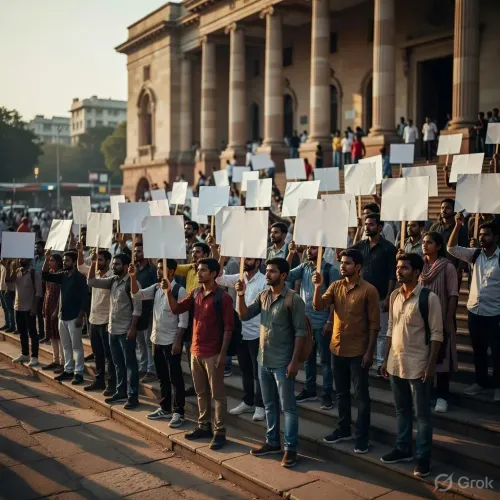
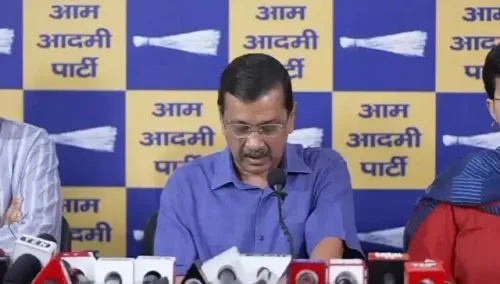
AAP convenor Arvind Kejriwal on 22 July 2026 publicly appealed to the Central Government not to crack down on children holding a peaceful sit-in protest in Delhi, warning against any 'misadventure' by central authorities who control the city's police force.
Key Takeaways
Arvind Kejriwal posted on X on 22 July 2026 urging the Central Government not to act against children staging a peaceful dharna.
He warned the Centre against carrying out any 'misadventure' against the protesting children.
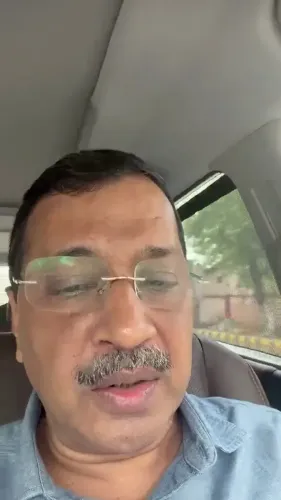
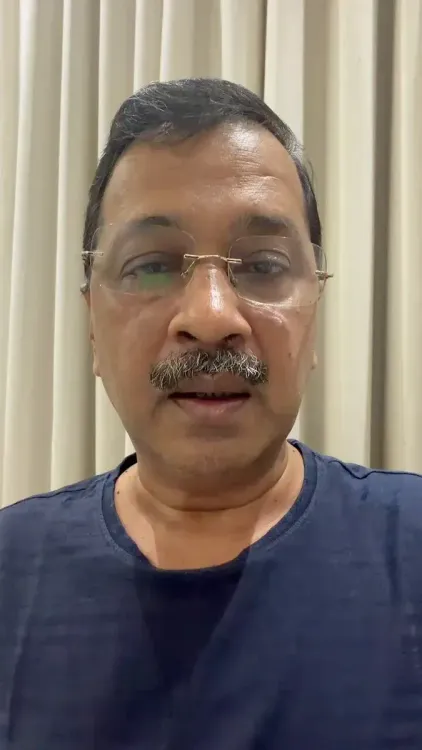
The post was accompanied by a video shared as part of the appeal.
Delhi Police operates under the Ministry of Home Affairs , not the elected Delhi government, making the Centre the direct authority over protest management.
The appeal follows a documented pattern of AAP publicly urging restraint from central authorities during protests in Delhi .
An official response from the Ministry of Home Affairs or Delhi Police is awaited.
AAP convenor Arvind Kejriwal on Wednesday, 22 July 2026, issued a public appeal to the Central Government of India, urging it not to take any action against children who are staging a peaceful sit-in protest. Posting on X, Kejriwal warned against what he called a potential 'misadventure' by central authorities.
Context
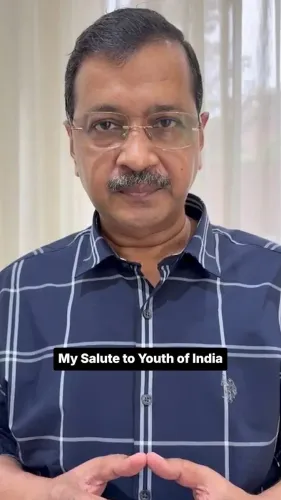
In his post, Kejriwal asked directly: 'Kya Kendra Sarkar shaantipoornn dharna kar rahe bacchon par aaj crackdown karegi?' ('Will the Central Government crackdown today on children who are holding a peaceful dharna?'). He followed this with an appeal to the Centre, stating: 'I appeal to the Central Government not to carry out any such misadventure.' The post was accompanied by a video, which Kejriwal shared as part of the message.
The appeal reflects a recurring pattern in which AAP leadership publicly calls on the Union government to exercise restraint in handling protests within the national capital. Delhi has long been the site of jurisdictional friction between the elected state government and central authorities, who control the city's police force through the Ministry of Home Affairs.
Policy Backdrop
Under the constitutional framework governing Delhi, law and order — including policing — falls under the jurisdiction of the Central Government rather than the elected state assembly. This arrangement has historically led to disputes between the AAP-led administration and the BJP-led Union government over the management of public order situations, including protests.
AAP has previously issued similar appeals during demonstrations in Delhi, positioning itself as a defender of citizens' right to peaceful protest against what it characterises as heavy-handed central intervention. Kejriwal's framing of the children's dharna as 'shaantipoornn' (peaceful) is consistent with this political posture.
Stakeholders and Impact
The children staging the dharna are at the centre of this developing situation. Their welfare and the manner in which authorities respond will be closely watched by civil society, parents, and opposition parties. Any police action against minors would carry significant political and legal consequences.
The Delhi government under AAP has a stated interest in the outcome, even as it lacks direct control over policing. Kejriwal's public appeal is also a political signal, placing the moral burden of restraint squarely on the Central Government and Delhi Police ahead of any potential action.
What's Next
All eyes are now on the Ministry of Home Affairs and Delhi Police for an official response to Kejriwal's appeal and for any statement on how the children's protest will be managed. The coming hours are likely to determine whether the situation escalates or is resolved peacefully.
Should central authorities take any action against the protesters, it is expected to trigger a sharp political response from AAP and could intensify the ongoing friction between the party and the BJP-led Union government over governance of Delhi.
Point of View
He raises the political cost of any police intervention significantly. The appeal also reinforces AAP's broader narrative of an overreaching Centre suppressing democratic dissent in the national capital. The jurisdictional fault line over Delhi's policing continues to serve as a live political battleground between the two parties.
NationPress
21 Oct 2026
Frequently Asked Questions
What did Arvind Kejriwal say about the children's protest on 22 July 2026?
Kejriwal posted on X asking whether the Central Government planned to crack down on children holding a peaceful dharna, and appealed to the Centre not to carry out any such 'misadventure'.
Who controls Delhi Police and why does it matter here?
Delhi Police is under the jurisdiction of the Ministry of Home Affairs and the Central Government , not the elected Delhi government. This means AAP has no direct authority over how the protest is managed.
What is a 'dharna' in Indian politics?
A 'dharna' is a form of peaceful sit-in protest, a common mode of demonstration in India used by citizens and political groups to draw attention to grievances.
Has Kejriwal made similar appeals before?
Yes. AAP leadership has a documented pattern of issuing public appeals urging the Central Government to exercise restraint during protests in Delhi , particularly given the jurisdictional dispute over policing.
What happens next after Kejriwal's appeal?
The immediate focus is on whether the Ministry of Home Affairs or Delhi Police will issue a response. Any action against the protesting children would likely trigger a sharp political escalation from AAP .