Kejriwal Slams Lathi Charge on Youth at Jantar Mantar

Synopsis
AAP convenor Arvind Kejriwal on 20 July 2026 condemned an alleged lathi charge on lakhs of youth gathered at Jantar Mantar, New Delhi, appealing to the government to drop its arrogance and engage with young protesters seeking justice.
Key Takeaways
Arvind Kejriwal publicly condemned an alleged lathi charge on youth protesters at Jantar Mantar on 20 July 2026 .
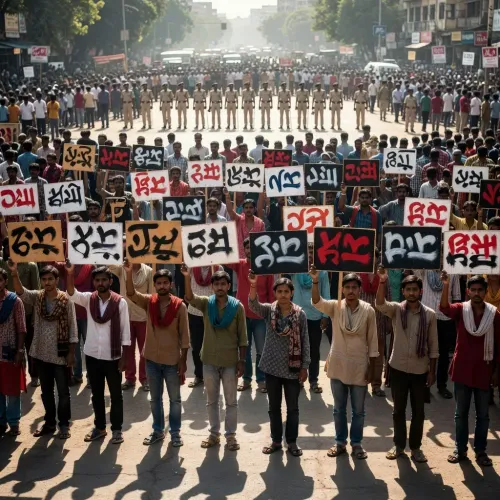
Kejriwal described the crowd as numbering in the lakhs , calling them children of the country seeking justice.
He appealed to the government to 'drop arrogance' and listen to the protesters' demands.
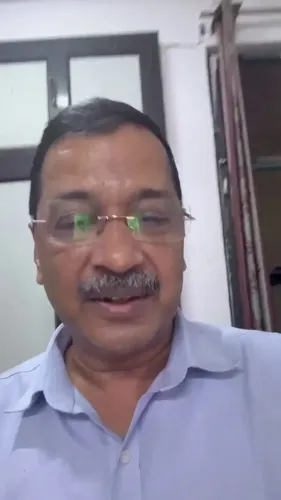
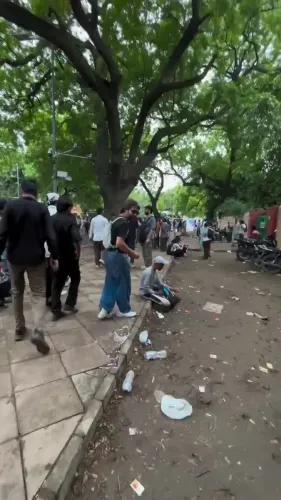
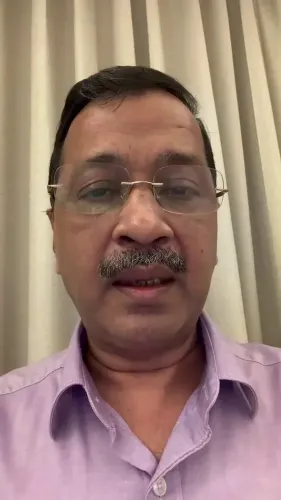
The post included a video shared as supporting evidence of the ground situation.
Jantar Mantar is New Delhi's constitutionally recognised site for public demonstrations.
The government had not issued a public response at the time of reporting.
AAP convenor Arvind Kejriwal on Monday, 20 July 2026, condemned the reported lathi charge on young protesters gathered at Jantar Mantar, New Delhi, calling on the government to abandon its arrogance and listen to the demands of the country's youth.
Context
Posting on X, Kejriwal wrote: 'जंतर-मंतर पर देश का सारा युवा लाखों की संख्या में जमा हो गया है' — 'The entire youth of the country has gathered at Jantar Mantar in lakhs.' He alleged that instead of engaging with the protesters, the government had ordered a baton charge against them.
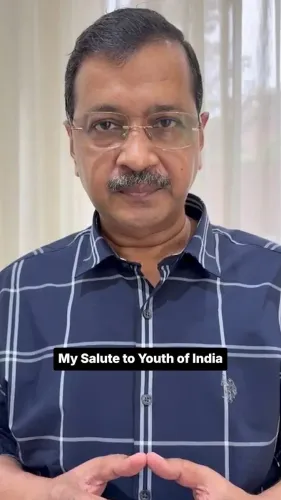
Kejriwal appealed directly to the government, saying: 'These are the children of our own country who have come out on the streets seeking justice. Drop the arrogance and listen to them.' The post included a video, which he shared as visual evidence of the situation on the ground.
Policy Backdrop
Jantar Mantar in central Delhi has historically served as the designated protest site for demonstrations in the capital, functioning as a constitutionally recognised space for public assembly and dissent. Large youth-led protests at the venue have periodically drawn national attention to issues ranging from competitive examination reforms to employment policy.
Lathi charges — the use of batons by police to disperse crowds — are a recurring flashpoint in India's protest landscape. Their use against student or youth demonstrators typically intensifies political debate around civil liberties, the right to peaceful assembly under Article 19 of the Constitution, and the government's responsiveness to youth concerns.
Stakeholders and Impact
Kejriwal's intervention elevates the protest into a national political issue. As a former Chief Minister of Delhi and convenor of the Aam Aadmi Party, his voice carries weight both with Delhi's administrative machinery and with a broader national audience that has followed AAP's positioning as a youth-centric political force.
The protesters at Jantar Mantar, described by Kejriwal as numbering in the lakhs, represent a significant mobilisation. A police lathi charge at such a scale, if confirmed, would raise immediate questions about crowd management protocols and the proportionality of law enforcement response. Opposition parties are likely to amplify the episode as evidence of the ruling establishment's disconnect from youth aspirations.
What's Next
The government has not publicly responded to Kejriwal's appeal as of the time of this report. Political pressure is likely to build through the day as videos and accounts from Jantar Mantar circulate on social media. Whether the administration chooses to open a dialogue with protest leaders or maintains its current posture will determine how the situation develops in the coming hours.
With youth unemployment and competitive examination grievances remaining live political issues, the Jantar Mantar gathering could mark an inflection point — either prompting a policy concession or hardening into a sustained agitation that tests the government's political bandwidth ahead of upcoming electoral cycles.
Point of View
Which built its identity on anti-establishment youth mobilisation, aligning with a large street protest is both ideologically consistent and electorally strategic. The appeal to 'drop arrogance' is directed as much at the court of public opinion as at the government itself. If the protest sustains, this moment could become a reference point in the broader national conversation about how the state manages dissent from an increasingly restive young population.
NationPress
20 Oct 2026
Frequently Asked Questions
What happened at Jantar Mantar on 20 July 2026?
According to AAP convenor Arvind Kejriwal, lakhs of young people gathered at Jantar Mantar in New Delhi on 20 July 2026 to seek justice, and the government allegedly ordered a lathi charge against them instead of engaging with their demands.
Why did Kejriwal post about the Jantar Mantar protest?
Kejriwal condemned the reported police lathi charge and appealed to the government to listen to the youth, calling the protesters 'children of our own country' who had come out seeking justice.
What is Jantar Mantar and why do protests happen there?
Jantar Mantar in central New Delhi is a designated protest site that has historically served as the primary venue for public demonstrations in the capital, recognised as a space for peaceful assembly and dissent.
What is a lathi charge?
A lathi charge is the use of batons (lathis) by Indian police to disperse crowds. Its use against protesters, especially students or youth, frequently triggers political controversy around civil liberties and the right to peaceful assembly.
Has the government responded to Kejriwal's appeal?
As of the time of this report, the government had not issued a public response to Kejriwal's appeal for dialogue with the youth protesters at Jantar Mantar.