Kejriwal backs Dhruv Rathi's fact-check on Punjab
Synopsis
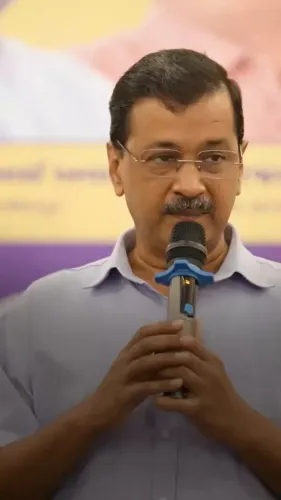
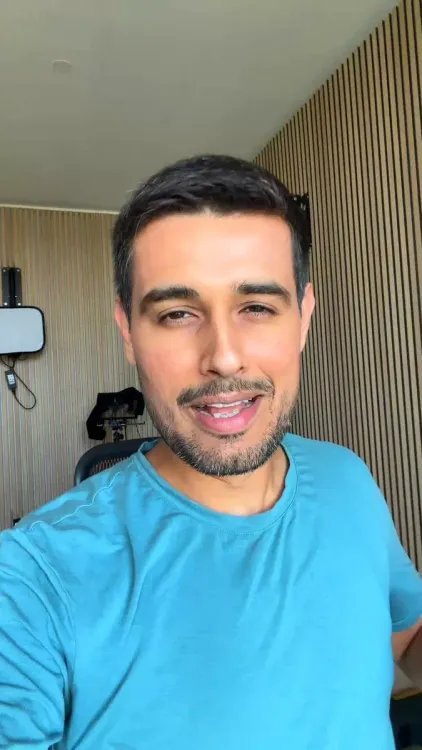
AAP convenor Arvind Kejriwal on 31 July 2026 credited YouTuber Dhruv Rathi with exposing what he called BJP-spread lies about AAP-governed Punjab through aligned television channels, highlighting the growing role of digital creators in India's political media battles.
Key Takeaways
On 31 July 2026 , Arvind Kejriwal posted on X praising Dhruv Rathi for fact-checking claims about Punjab .
Kejriwal accused the BJP of using 'pet TV channels' to spread lies defaming the AAP-governed state.
AAP has governed Punjab since its decisive victory in the 2022 assembly elections .
Dhruv Rathi is a prominent Indian YouTuber known for long-form fact-checking videos on politics and media.
The post reflects a broader pattern of opposition parties turning to independent digital creators to counter mainstream television narratives.
A battle over Punjab's image has spilled from television screens to YouTube — and AAP convenor Arvind Kejriwal is pointing to the digital arena as the place where the truth finally surfaced. On Friday, 31 July 2026, Kejriwal posted on X, crediting YouTuber Dhruv Rathi with exposing what he called deliberate falsehoods being spread about Punjab through what he described as BJP's 'pet TV channels.'
In his post, Kejriwal wrote: 'BJP apne paltu TV channels ke madhyam se Punjab ko badnaam karne ke liye jo jhooth phela rahi thi, Dhruv Rathi ne achhe se unki pol khol di' — translated: 'The lies that the BJP was spreading to defame Punjab through its pet TV channels have been well and truly exposed by Dhruv Rathi.'
The Punjab narrative war and who is fighting it
AAP has governed Punjab since its landslide victory in the 2022 assembly elections, and the state has remained a high-stakes battleground for political messaging. Opposition parties — particularly the BJP — and AAP have traded accusations over governance performance, law and order, and development, with television media frequently amplifying one side or the other.
Dhruv Rathi is one of India's most-watched independent digital creators, known for producing long-form fact-checking and current-affairs videos that routinely draw millions of views. His content has previously targeted what he characterises as misinformation in mainstream media, making him a recurring reference point for opposition politicians seeking to counter dominant television narratives.
Digital creators as the new political fact-checkers
Kejriwal's post reflects a pattern that has become standard playbook for regional parties governing states where the BJP holds the central government. When television coverage is perceived as hostile, opposition leaders increasingly amplify independent YouTube voices to reach audiences outside traditional broadcast reach.
The specific claims about Punjab that Rathi's video reportedly addressed were not detailed in Kejriwal's post, and the particulars of those allegations remain unspecified. What is clear is the political signal: AAP is positioning Rathi's content as a corrective to what it frames as a coordinated media campaign against the state it governs.
As the 2027 Punjab assembly elections begin to cast a long shadow, the fight over how Punjab's governance story is told — on screens big and small — is only going to intensify.
Point of View
Which governs Punjab but lacks a strong footprint in national broadcast media, amplifying digital voices is both a communications strategy and a grievance signal to voters. The move also signals how regional ruling parties are increasingly building parallel information ecosystems ahead of state elections. Whether this translates into electoral credibility or is dismissed as deflection will depend on whether the specific governance claims at the centre of the dispute are actually addressed.
NationPress
31 Jul 2026
Frequently Asked Questions
What did Arvind Kejriwal say about Dhruv Rathi and Punjab?
Kejriwal credited YouTuber Dhruv Rathi with exposing lies he claimed the BJP was spreading about Punjab through aligned television channels, posting his praise on X on 31 July 2026.
Which party governs Punjab and since when?
The Aam Aadmi Party has governed Punjab since winning the state assembly elections in 2022.
Why does AAP accuse BJP of using TV channels against Punjab?
AAP alleges that BJP-aligned television channels broadcast negative or false narratives about states governed by rival parties, a charge the BJP disputes. This accusation is part of a broader political media battle between the two parties.
What specific lies about Punjab did Dhruv Rathi expose?
Kejriwal's post did not specify the exact claims. The details of the allegations Rathi addressed in his video were not disclosed in the post itself.