Kejriwal Greets Nation on Chhath Mahaparvam Conclusion
Synopsis
AAP convenor Arvind Kejriwal marked the conclusion of Chhath Mahaparvam on 16 November 2026, praying that Chhathi Maiya fulfil devotees' wishes and keep everyone prosperous — a greeting that carries cultural and political resonance in Delhi's large Bihari diaspora.
Key Takeaways
AAP convenor Arvind Kejriwal posted Chhath greetings on 16 November 2026 as the festival concluded.
He invoked Suryadev's blessings and prayed for the well-being and happiness of all vratis .
Chhath Puja involves a strict 36-hour fast and riverbank rituals at dusk and dawn dedicated to the Sun God.
The festival is central to communities from Bihar , Jharkhand , and eastern Uttar Pradesh , with a major presence in Delhi .
AAP has historically organised ghat arrangements during Chhath, linking governance to cultural celebration.
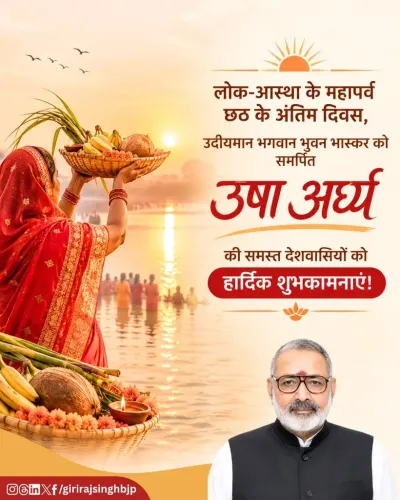
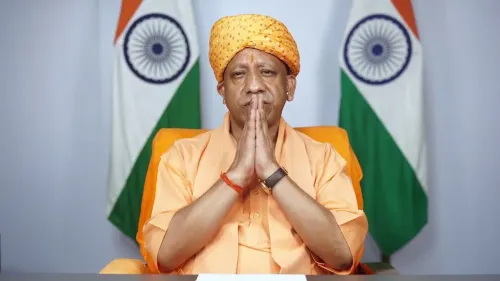
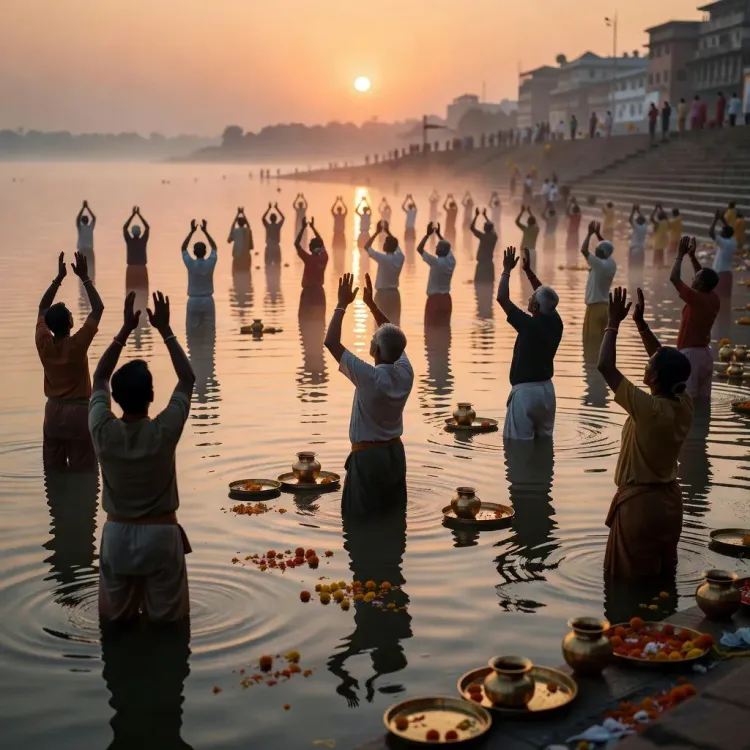
As the last arghya to the rising sun marked the close of Chhath Mahaparvam on Monday, 16 November 2026, AAP convenor Arvind Kejriwal joined millions of devotees in offering reverence to Chhathi Maiya and Suryadev.
Kejriwal wrote on X: 'जय छठी मैया' ['Victory to Chhathi Maiya'] and conveyed that the festival had concluded peacefully with the blessings of the Sun God, praying that Chhathi Maiya fulfil the wishes of all vratis (fasting devotees) and keep everyone prosperous and happy.
A Festival That Bridges Bihar and Delhi
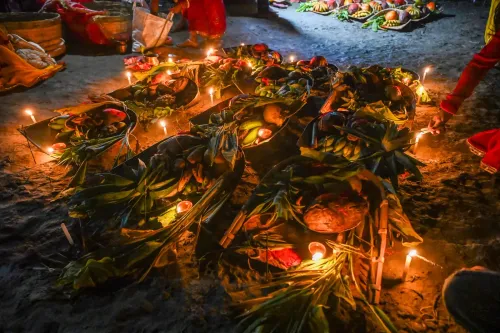
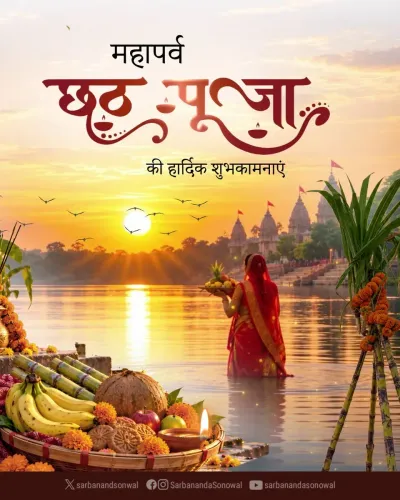
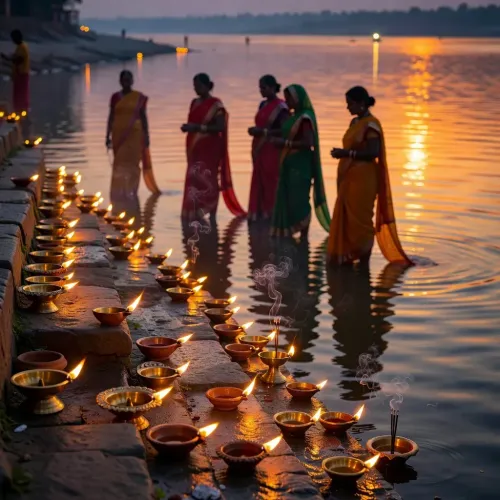
Chhath Puja is among the most demanding and deeply personal of Hindu observances — devotees fast for roughly 36 hours without water, stand in rivers or water bodies at dusk and dawn, and offer arghya to the setting and rising sun. The festival is central to the identity of communities from Bihar, Jharkhand, and eastern Uttar Pradesh, and its riverbank gatherings draw enormous crowds in Delhi, where a large Bihari diaspora makes it a civic as well as religious event.
AAP, Delhi's Ghats, and the Bihari Vote
For AAP, Chhath has long carried cultural and political weight in equal measure. The party has in past years organised large-scale arrangements on the Yamuna ghats — lighting, cleanliness drives, and security — turning the festival into a visible demonstration of governance. Kejriwal's public greeting follows a pattern of AAP leaders acknowledging every significant regional and religious festival, from Diwali to Eid, as a marker of inclusive politics.
The Bihari and Purvanchali diaspora in Delhi numbers in the millions and has historically been a swing constituency. A warm, timely Chhath message is therefore both a cultural salute and a quiet political signal — delivered in Hindi, in the festival's own register of devotion.
Point of View
Given the city's vast Purvanchali and Bihari voter base. Kejriwal's message, issued in Hindi and steeped in devotional language, reflects AAP's deliberate cultural positioning — a party that governs a cosmopolitan capital but speaks the dialect of its migrant majority. The post carries no policy signal, but its timing and register reinforce AAP's sustained effort to own the festival's civic footprint in Delhi. As the party rebuilds after the 2025 assembly setback, symbols of cultural proximity matter as much as governance metrics.
NationPress
16 Nov 2026
Frequently Asked Questions
What did Arvind Kejriwal say about Chhath Puja 2026?
Kejriwal wrote 'Jai Chhathi Maiya' and said the Chhath Mahaparvam concluded peacefully with the blessings of Suryadev, praying that Chhathi Maiya fulfil all devotees' wishes and keep everyone happy.
When is Chhath Puja celebrated?
Chhath Puja falls in the Hindu month of Kartik, typically in October or November, with the main rituals — evening and morning arghya — spread over four days.
Why is Chhath Puja important for Delhi politics?
Delhi has millions of residents from Bihar, Jharkhand and eastern Uttar Pradesh for whom Chhath is a central cultural festival, making it a significant occasion for political outreach by all major parties.
What is Chhath Mahaparvam?
Chhath Mahaparvam is a major Hindu festival dedicated to the Sun God and Chhathi Maiya, observed with rigorous fasting, riverbank prayers at sunset and sunrise, and offerings called arghya.
How has AAP observed Chhath Puja in past years?
AAP has in previous years organised large-scale arrangements on Delhi's Yamuna ghats — including lighting, cleanliness and security — to facilitate the festival and demonstrate responsive governance to the Purvanchali community.