Kejriwal Wishes Kharna Greetings on Chhath Puja Day 2
Synopsis
AAP convenor Arvind Kejriwal on 14 November 2026 extended Kharna greetings on the second day of Chhath Puja, praying that Chhathi Maiya bless devotees with health, peace, and prosperity.
Key Takeaways
AAP convenor Arvind Kejriwal posted Kharna wishes on 14 November 2026 , the second day of Chhath Puja.
Kharna is marked by a rigorous day-long fast broken after sunset with salt-free offerings.
Kejriwal prayed for health, peace, happiness, and prosperity for all devotees and their families.
Chhath Puja is a four-day festival dedicated to the Sun God and Chhathi Maiya, observed widely in Bihar, Jharkhand, eastern UP, and Delhi.
The Purvanchali migrant community in Delhi is one of the largest urban congregations of Chhath observers in India.
As millions of Purvanchali and Bihari families mark Kharna — the second and most spiritually intense day of Chhath Puja — AAP convenor Arvind Kejriwal extended warm wishes to devotees observing the mahaprav on Saturday, 14 November 2026.
Posting in Hindi on X, Kejriwal wrote: 'महापर्व छठ पूजा के दूसरे दिन खरना की आप सभी को ढेर सारी शुभकामनाएँ।' ('Many best wishes to all of you on Kharna, the second day of the grand festival Chhath Puja.') He prayed that Chhathi Maiya bless everyone with good health and that peace, happiness, and prosperity abide in every home.What Kharna means for Chhath devotees
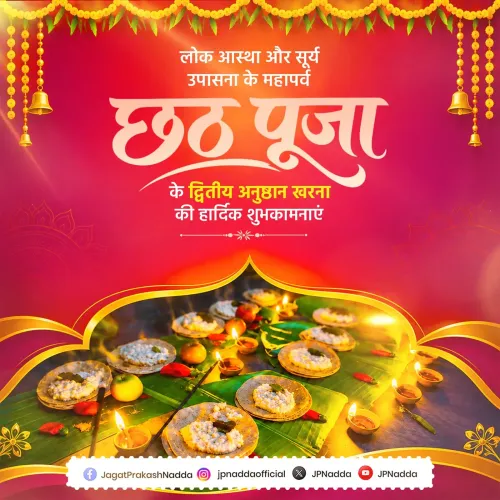
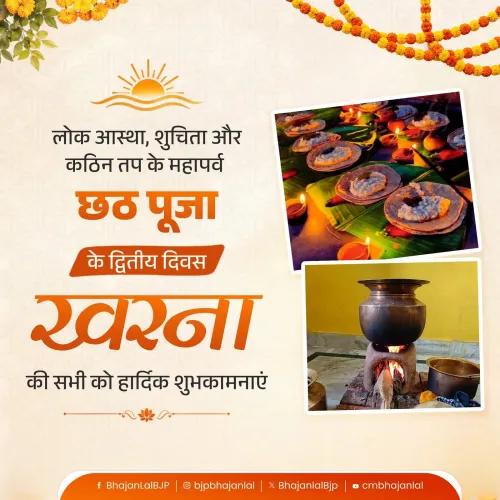
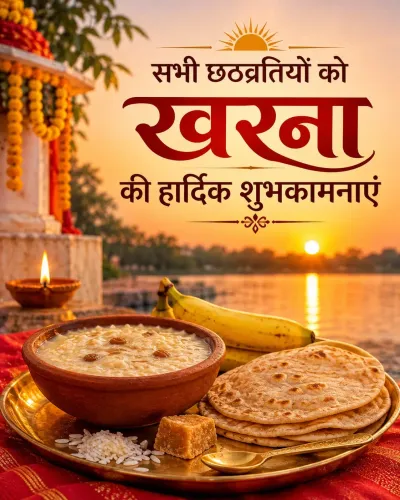
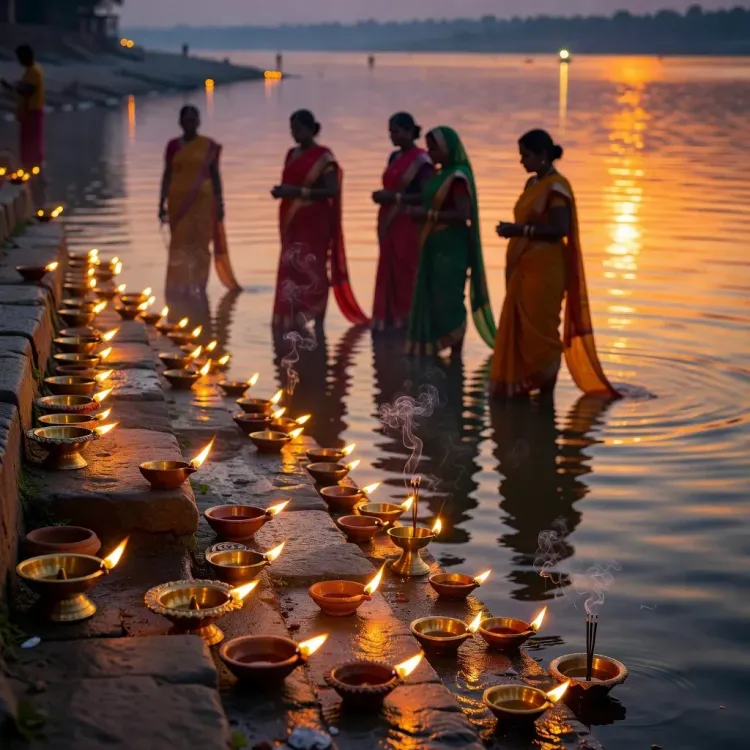
Chhath Puja is a four-day festival dedicated to the Sun God and Chhathi Maiya. Kharna, its second day, is marked by a day-long fast broken only after sunset with an offering of kheer (rice pudding) and roti made without salt — a ritual that is considered among the most demanding and purifying of the entire observance. From this point, the main fasting vratis abstain from water until the final sunrise arghya two days later.Chhath's reach in Delhi and beyond
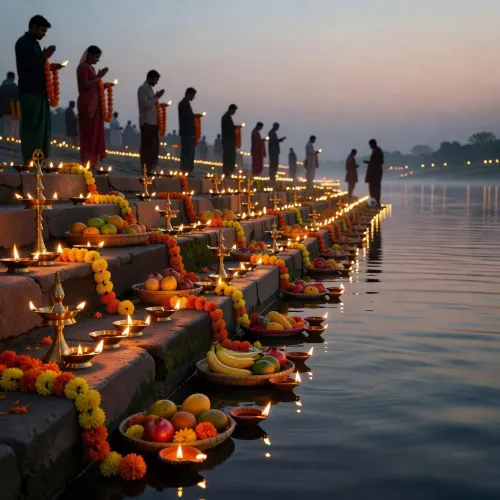
Originally rooted in Bihar, Jharkhand, and eastern Uttar Pradesh, Chhath Puja has grown into one of the largest public festivals in Delhi, where a substantial Purvanchali migrant population lines the banks of the Yamuna and neighbourhood ghats every year. For Kejriwal and AAP, this community represents a significant political constituency — and public greetings during Chhath have become a consistent ritual for leaders across parties.Point of View
Whose electoral fortunes in Delhi have long been intertwined with Bihari and eastern UP migrant communities, festival outreach is as much cultural as it is political. The gesture underscores how regional festivals like Chhath have moved to the centre of mainstream national political calendars. Whether substantive policy support — such as improved ghat infrastructure or civic facilities — follows the seasonal goodwill is the question devotees and analysts consistently raise.
NationPress
14 Nov 2026
Frequently Asked Questions
What is Kharna in Chhath Puja?
Kharna is the second day of Chhath Puja, observed with a strict day-long fast broken after sunset with offerings of salt-free kheer and roti. After Kharna, the main fasting devotees (vratis) abstain from even water until the sunrise arghya two days later.
Why did Arvind Kejriwal post Chhath Puja wishes?
As AAP convenor and former Chief Minister of Delhi, Kejriwal extended public Kharna greetings on 14 November 2026, acknowledging the large Bihari and Purvanchali community in Delhi that observes Chhath Puja.
What does Chhathi Maiya represent in Chhath Puja?
Chhathi Maiya is the presiding deity of Chhath Puja, associated with the Sun God and believed to bless devotees with health, longevity, and prosperity for their families.
How is Chhath Puja celebrated in Delhi?
Delhi has a large Purvanchali migrant population that organises Chhath celebrations at ghats along the Yamuna river and in neighbourhoods across the city, making it one of the biggest public festivals in the capital.
Which states primarily observe Chhath Puja?
Chhath Puja is primarily observed in Bihar, Jharkhand, and eastern Uttar Pradesh, and by migrant communities in cities like Delhi, Mumbai, and beyond.