CM Sai Reaffirms Tribal Identity and Development Pledge on Janjatiya Gaurav Diwas
Synopsis
On Janjatiya Gaurav Diwas, Chhattisgarh CM Vishnu Deo Sai reaffirmed his government's dual commitment to protecting tribal identity and expanding education, health, housing and livelihood schemes from Bastar to Surguja under PM Modi's guidance.
Key Takeaways
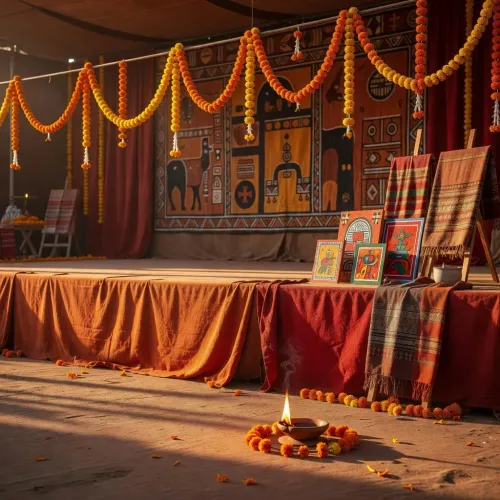
Janjatiya Gaurav Diwas , observed on 15 November annually, was declared by the Government of India in 2021 to honour tribal heritage and icons including Birsa Munda .
CM Vishnu Deo Sai explicitly credited PM Narendra Modi's guidance as the foundation of Chhattisgarh's tribal development approach.
The commitment spans Bastar (south) to Surguja (north) — the two principal tribal population centres of Chhattisgarh .
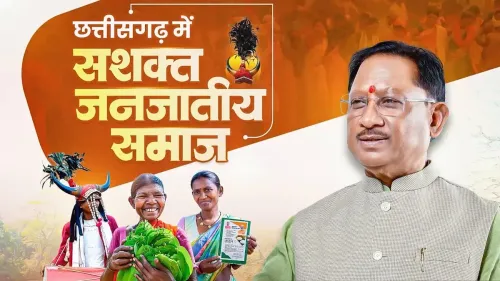
The state government listed tribal culture, traditions, language, art and traditional knowledge as protected alongside welfare services.
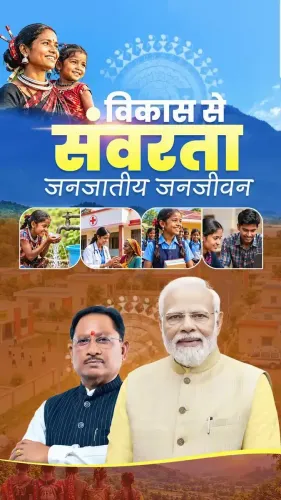
Development pillars cited include education, health, housing, employment and livelihoods — framed as ongoing expansion, not new announcements.
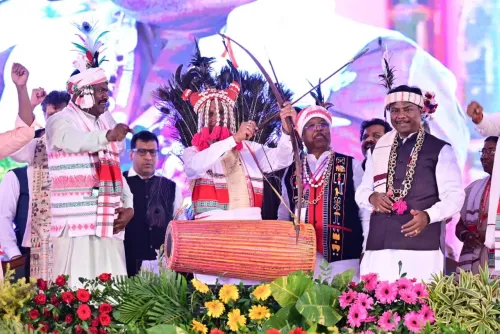
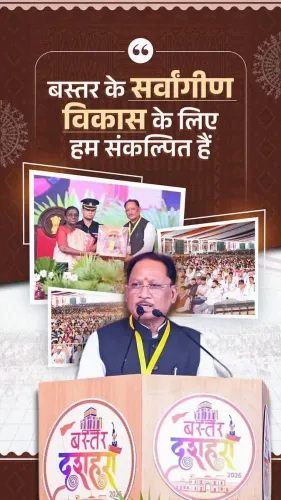
On Janjatiya Gaurav Diwas, Chhattisgarh Chief Minister Vishnu Deo Sai made a pointed commitment: no corner of the state's tribal heartland — from the deep forests of Bastar in the south to the highlands of Surguja in the north — will be left behind in the state's development march.
Posting on 16 November 2026, Sai framed his government's agenda in both cultural and material terms. 'Janjatiya asmita surakshit ho' (tribal identity must be protected), he wrote, while also listing education, health, housing, employment and livelihoods as the concrete pillars his administration is actively expanding. The twin promise — preserve the culture, build the future — was explicit, not implied.
Bastar to Surguja: Why the Geography Matters
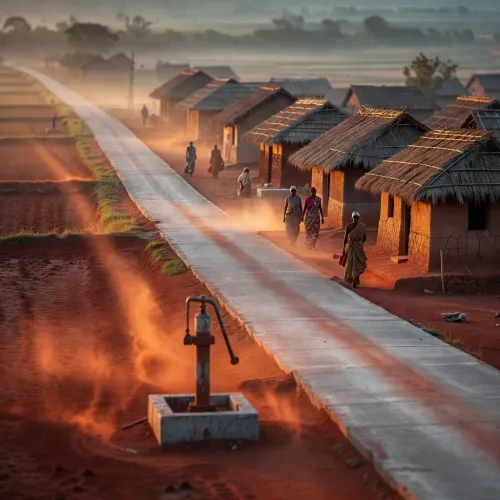
Chhattisgarh holds one of the largest Scheduled Tribe populations in India, concentrated most heavily in its southernmost and northernmost districts. Bastar has long been synonymous with both rich Adivasi cultural traditions and acute development deficits, while Surguja in the north carries similar demographic weight with its own distinct tribal communities. By naming both regions in the same sentence, Sai signalled an intent to close the gap between the state's two tribal poles — a geographic shorthand for universal reach.
Janjatiya Gaurav Diwas and the Policy Behind the Occasion
The day itself carries institutional weight. The Government of India declared 15 November as Janjatiya Gaurav Diwas in 2021, timed to the birth anniversary of tribal icon Birsa Munda, to formally honour tribal heritage and contributions to the national freedom struggle. Under Prime Minister Narendra Modi — whom Sai explicitly credited as a guiding force — the central government has layered cultural recognition onto welfare schemes, running programmes in infrastructure, healthcare, and livelihood support in parallel with efforts to protect tribal languages, art forms, and traditional knowledge systems.
Sai's post aligns squarely with that dual-track framework. His 'Sushasan Sarkar' (Good Governance Government) formulation positions the state administration as the delivery arm of a philosophy set in New Delhi: dignity and development as inseparable goals.
Culture as a Policy Commitment
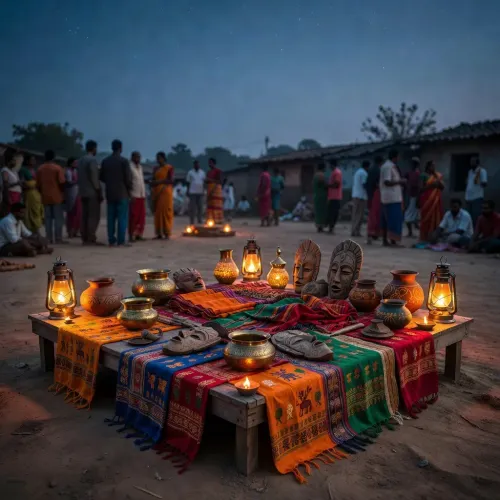
What distinguishes Sai's statement from routine welfare rhetoric is the specific list of what his government says it is protecting: tribal culture, traditions, language, art, and traditional knowledge. Each of these has been a flashpoint in development debates — where infrastructure projects have historically clashed with Adivasi land rights and ways of life. By naming them alongside housing and employment, the CM is making an argument that his government does not see the two as being in tension. Whether that argument is borne out in practice will depend on the rollout of schemes in Chhattisgarh's tribal districts in the months ahead.
For now, the message landed clearly on a day designed precisely for it — and the question it sets up is whether the commitment survives contact with the ground.
Point of View
With the Centre's ideological framing credited explicitly. The Janjatiya Gaurav Diwas platform gives state governments a high-visibility moment to demonstrate alignment with New Delhi's tribal policy narrative. Naming Bastar and Surguja in the same breath is also a subtle electoral signal — both regions carry significant vote shares among Scheduled Tribe communities. The real test is whether scheme data and ground-level delivery in these districts match the ambition of the statement.
NationPress
16 Nov 2026
Frequently Asked Questions
What is Janjatiya Gaurav Diwas and why is it observed on 15 November?
Janjatiya Gaurav Diwas is an annual national observance declared by the Government of India in 2021 to honour tribal heritage and contributions to the freedom struggle. It falls on 15 November , the birth anniversary of tribal leader Birsa Munda .
What did Chhattisgarh CM Vishnu Deo Sai say on Janjatiya Gaurav Diwas 2026?
CM Vishnu Deo Sai pledged to build a Chhattisgarh where tribal identity is protected, development reaches from Bastar to Surguja , and every section of society gets dignity, opportunity and self-reliance — framing the commitment as being guided by PM Narendra Modi .
Which tribal regions of Chhattisgarh did CM Sai specifically mention?
CM Sai named Bastar in southern Chhattisgarh and Surguja in the north — the two regions with the state's most significant Scheduled Tribe populations.
What welfare schemes is the Chhattisgarh government focusing on for tribal communities?
According to CM Sai's statement, the state government is expanding education, health, housing, employment and livelihood opportunities while simultaneously protecting tribal culture, language, art, traditions and traditional knowledge .
What is the significance of Birsa Munda in the context of Janjatiya Gaurav Diwas?
Birsa Munda was a revered tribal leader and freedom fighter from the Munda community whose birth anniversary on 15 November was chosen as the date for Janjatiya Gaurav Diwas to symbolise tribal pride and resistance.