CM Yogi: Atal Residential Schools for Labourers' Kids Now Operational
Synopsis
Uttar Pradesh CM Yogi Adityanath announced that Atal Residential Schools — purpose-built campuses for children of labourers — are fully constructed and now operational, equipped with global-standard infrastructure as new centres of quality education.
Key Takeaways
The Chief Minister's Office of Uttar Pradesh announced on 16 November 2026 that Atal Residential Schools for labourers' children are fully built and operational.
CM Yogi Adityanath stated all schools are now running and equipped with global-standard infrastructure .
The scheme targets children of daily-wage and migrant workers — among the state's most educationally marginalised groups.
A residential model is used to address the schooling disruptions caused by parents' mobile, site-based work.
Enrolment rates, retention, and learning outcomes will be the key metrics to watch in coming academic sessions.
Thousands of children born to daily-wage workers in Uttar Pradesh now have access to world-class residential schooling — a promise, the state government says, that has moved from blueprint to reality. The Chief Minister's Office of Uttar Pradesh announced on Monday, 16 November 2026 that Atal Residential Schools, built specifically for the children of labourers, are fully constructed and operational across the state.
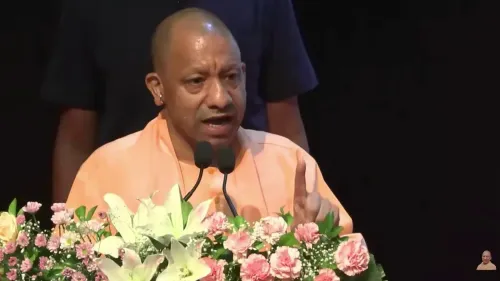
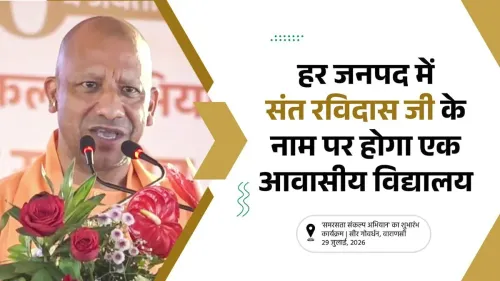
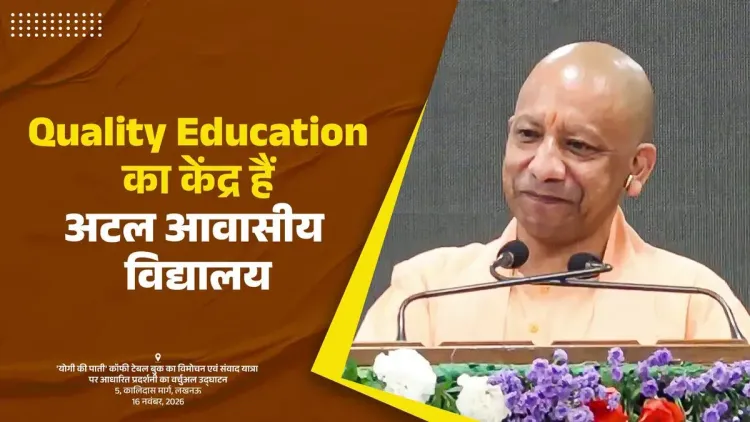
Quoting Chief Minister Yogi Adityanath, the official post declared: 'Aaj shramikon ke bachchon ke liye Atal Aavaasiya Vidyalayon ka nirman karaya gaya hai, yeh sabhi vidyalay sanchalit ho chuke hain' — 'Today, Atal Residential Schools have been built for the children of labourers, and all these schools are now operational.' The Chief Minister added that the schools have been equipped with global-standard infrastructure, positioning them as 'new centres of quality education.'
Who the Atal Residential Schools are built for
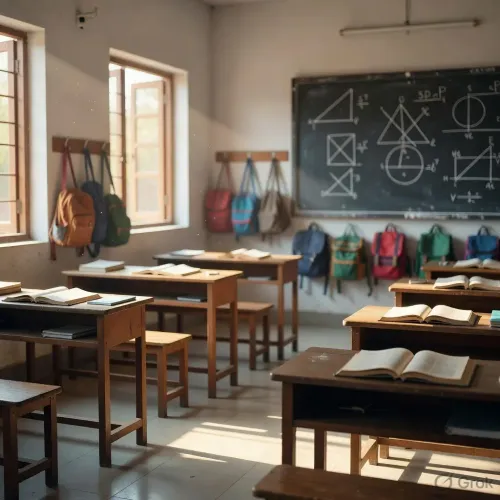
The scheme targets one of Uttar Pradesh's most educationally marginalised groups: children of construction workers, migrant labourers, and those engaged in unorganised sectors. These families frequently move between worksites, disrupting their children's schooling. A residential model — where students live, eat, and study on campus — is designed to cut through that instability entirely.
Uttar Pradesh has long grappled with learning-outcome gaps between its urban middle class and children from economically weaker sections. Residential schooling models, with boarding facilities and structured academic environments, have been championed across several Indian states as the most direct intervention for such gaps.
Global-standard infrastructure as the state's pitch
The Chief Minister's emphasis on 'global standard infrastructure' is a deliberate signal — that these are not bare-bones government schools but facilities meant to compete with private residential institutions. The post referenced the schools as 'new centres of quality education,' framing the initiative as a structural shift rather than a welfare patch.
The Yogi Adityanath government, in office since 2017, has repeatedly anchored its education narrative around physical upgrades — classrooms, smart boards, and campus facilities — alongside efforts to improve teacher attendance and academic outcomes. Atal Residential Schools sit at the more ambitious end of that spectrum: purpose-built campuses rather than refurbished government buildings.
What comes next for these schools
Operational status is the beginning, not the end of the story. The harder numbers — enrolment figures, retention rates, and actual learning outcomes — will determine whether this infrastructure investment translates into educational equity. Worker welfare boards and labour department linkages will also be critical in ensuring the right children, from the most vulnerable families, actually fill these seats.
For a state with Uttar Pradesh's scale and labour force, even a well-designed scheme can underdeliver if outreach and admission pipelines are weak. The government's next test is not construction — it is classrooms full of the children it built these schools for.
Point of View
Reaching the children of unorganised-sector workers — a numerically large and politically significant demographic — through a named residential scheme is both a governance act and an electoral signal. The scheme's success, however, will ultimately be judged not by ribbon-cutting but by whether enrolment, retention, and outcomes data justify the infrastructure investment. If those numbers emerge strongly, Atal Residential Schools could become a template other states replicate; if they lag, the emphasis on 'global standard' campuses risks looking like a headline over substance.
NationPress
16 Nov 2026
Frequently Asked Questions
What are Atal Residential Schools in Uttar Pradesh?
Atal Residential Schools are government-built boarding schools in Uttar Pradesh designed specifically for the children of labourers and unorganised-sector workers, providing free residential accommodation alongside quality education and global-standard campus infrastructure.
Are Atal Residential Schools in UP operational in 2026?
Yes. According to an announcement by the Chief Minister's Office of Uttar Pradesh on 16 November 2026 , all Atal Residential Schools have been constructed and are now fully operational.
Who is eligible for Atal Residential Schools in Uttar Pradesh?
The schools are built for children of labourers, including daily-wage workers, construction workers, and migrant workers in Uttar Pradesh's unorganised sector.
What did CM Yogi Adityanath say about education for labourers' children?
CM Yogi Adityanath stated that Atal Residential Schools have been constructed for children of labourers, that all schools are now running, and that they have been equipped with global-standard infrastructure to serve as new centres of quality education.
How does the Atal Residential School scheme help migrant workers' children?
By providing residential facilities on campus, the scheme removes the schooling disruptions that migrant and mobile labourers' children face when their families move between worksites, ensuring continuity of education in a stable environment.