CM Yogi Pushes Atal Residential Schools for Labourers' Kids
Synopsis
Uttar Pradesh Chief Minister Yogi Adityanath has reaffirmed the state's push to build Atal Residential Schools for children of labourers and poor families, saying every child deserves the chance to study, learn, and grow into a good citizen.
Key Takeaways
Chief Minister Yogi Adityanath posted on 7 July 2026 about the construction of Atal Residential Schools for labourers' children in Uttar Pradesh .
The scheme is named after former Prime Minister Atal Bihari Vajpayee and targets children of daily-wage and migrant workers.
The residential model is designed to prevent school dropouts caused by seasonal migration of working-class families.
The initiative builds on residential schooling infrastructure expanded in Uttar Pradesh since 2017 .
Key metrics to watch include district-wise construction progress, enrollment numbers, and first-batch academic outcomes.
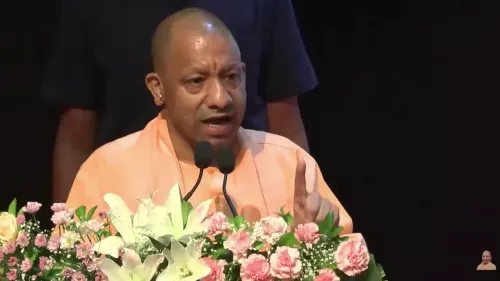
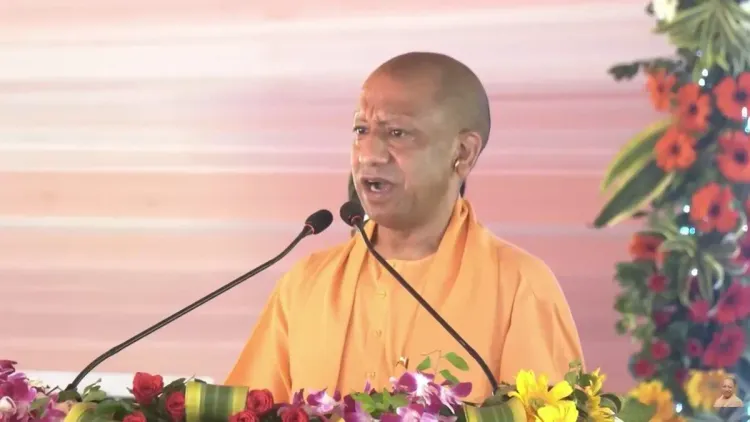
Uttar Pradesh Chief Minister Yogi Adityanath on Tuesday, 7 July 2026, reaffirmed his government's commitment to building Atal Residential Schools for children of labourers and economically weaker families, declaring that children of the poor will study, grow, and prosper.
In his post on X, the Chief Minister wrote: 'श्रमिकों के बच्चों के लिए अटल आवासीय विद्यालय बन रहे हैं, गरीब के बच्चे भी पढ़ेंगे-लिखेंगे, अच्छे बनेंगे...' — translated as: 'Atal Residential Schools are being built for the children of labourers; children of the poor will also study, learn, and become good citizens.'
Context
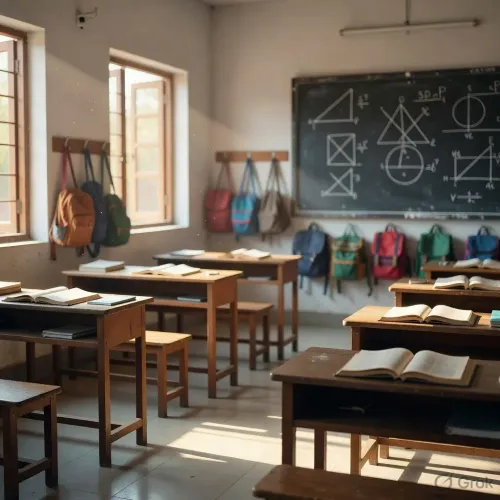
The Atal Awasiya Vidyalayas are a state initiative in Uttar Pradesh designed to provide residential schooling to children of daily-wage workers, migrant labourers, and families from economically weaker sections. The scheme is named after former Prime Minister Atal Bihari Vajpayee, after whom several education and infrastructure programmes in the state are named. The residential model is intended to ensure continuity of education for children whose families move seasonally for work.
Policy Backdrop
Since 2017, successive Uttar Pradesh administrations under Chief Minister Adityanath have expanded residential schooling infrastructure for disadvantaged children, building on frameworks such as the centrally sponsored Eklavya Model Residential Schools. One of the core challenges these schools address is the dropout rate among children of migrant and daily-wage workers, who frequently relocate across districts and states in search of employment. Residential schools remove the dependency on a fixed home address and offer a stable academic environment regardless of a family's economic circumstances.
Uttar Pradesh, India's most populous state, has consistently ranked among states with high concentrations of informal-sector labourers. Improving literacy and educational attainment in this demographic is seen as central to the state government's broader welfare agenda.
Stakeholders and Impact
The primary beneficiaries of the Atal Residential Schools are children of construction workers, agricultural labourers, and other informal-sector workers across Uttar Pradesh. For these families, the residential model eliminates costs associated with transport, mid-day meals, and private tutoring, making quality schooling accessible at no direct expense. Civil society groups working on child education and labour welfare have long advocated for exactly this kind of targeted residential infrastructure to break intergenerational cycles of poverty.
Teachers, local administration officials, and district education officers are key implementation stakeholders, responsible for enrollment drives and maintaining academic standards once the schools become operational.
What's Next
Observers and education policy analysts will watch for district-wise construction progress reports, official enrollment figures, and outcomes from the first batches of students admitted to the Atal Awasiya Vidyalayas. The state government's ability to operationalise these schools at scale and sustain academic quality will determine whether the initiative delivers on its stated goal of giving every labourer's child a meaningful path to education and upward mobility.
Point of View
Likely ahead of enrollment drives or construction milestones. The choice to frame the announcement around the dignity of the poor — 'children of the poor will also study and become good citizens' — is consistent with the BJP government's broader narrative of inclusive development as a counter to caste- and class-based political mobilisation in Uttar Pradesh. Naming the scheme after Atal Bihari Vajpayee also serves a dual purpose: invoking a pan-appeal BJP icon while anchoring the welfare initiative in the party's ideological lineage. Whether the scheme delivers at scale will be tested by independent enrollment and retention data, which civil society and opposition parties are likely to scrutinise closely.
NationPress
6 Oct 2026
Frequently Asked Questions
What are Atal Residential Schools in Uttar Pradesh?
Atal Residential Schools, or Atal Awasiya Vidyalayas, are a state government scheme in Uttar Pradesh that builds residential schools specifically for children of labourers and economically weaker families, providing them free accommodation, meals, and education.
Who are the Atal Residential Schools named after?
The schools are named after former Prime Minister Atal Bihari Vajpayee, after whom several education and infrastructure schemes in Uttar Pradesh have been named by the state government.
Why are residential schools important for labourers' children in UP?
Children of migrant and daily-wage workers often drop out of school when their families relocate for work. Residential schools provide a stable environment independent of the family's location, reducing dropout rates significantly.
What did CM Yogi Adityanath say about these schools?
On 7 July 2026, CM Yogi Adityanath posted on X that Atal Residential Schools are being built for labourers' children, stating that children of the poor will also study, learn, and become good citizens.
When did Uttar Pradesh start expanding residential schools for poor children?
Uttar Pradesh began significantly expanding residential schooling infrastructure for disadvantaged children after 2017, building on central government frameworks like Eklavya Model Residential Schools.