CM Yogi: Tribal Settlements Now Have Basic Amenities, Citizenship Rights
Synopsis
CM Yogi Adityanath declares that thousands of tribal families in Uttar Pradesh — once without basic facilities — now live with dignity, essential amenities, and formally recognised citizenship rights, the CMO announced on November 16, 2026.
Key Takeaways
CM Yogi Adityanath stated that tribal settlements in Uttar Pradesh that once lacked basic facilities now have all essential amenities.
Thousands of tribal families have been granted citizenship rights , addressing a longstanding documentation gap.
The announcement was made via the Chief Minister's Office of Uttar Pradesh on November 16, 2026 .
The Forest Rights Act, 2006 provides the legal foundation for land and citizenship recognition of tribal communities across India.
UP's tribal welfare outreach under Yogi Adityanath (since 2017 ) emphasises both infrastructure delivery and legal documentation for Scheduled Tribe settlements.
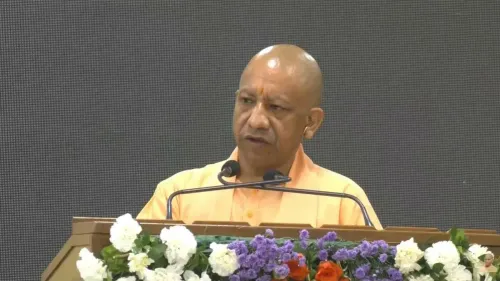
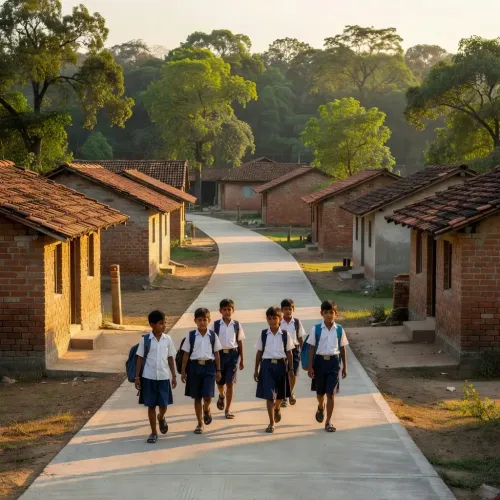
Settlements that once lacked electricity, clean water, and legal identity now carry the quiet weight of transformation. The Chief Minister's Office of Uttar Pradesh on Monday, November 16, 2026, shared a statement from Chief Minister Yogi Adityanath declaring that thousands of tribal families across the state are today living with dignity — equipped with essential amenities and, crucially, with their citizenship rights formally recognised.
What CM Yogi Said — and Why It Matters
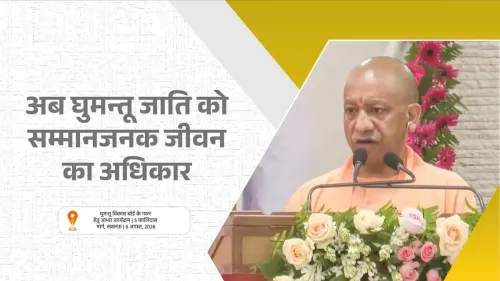
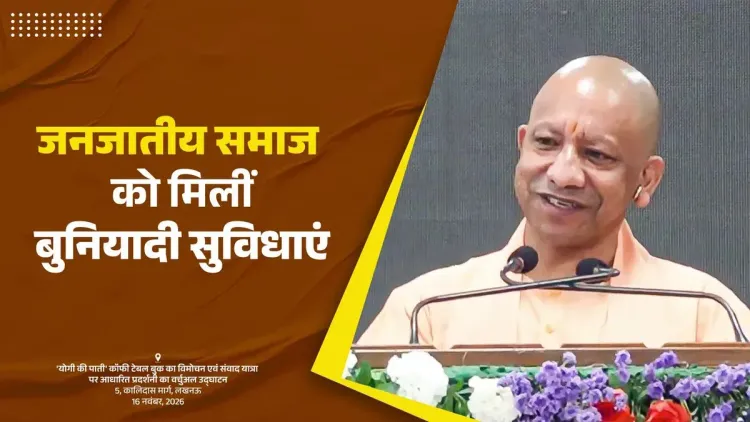
The statement, shared from the official CMO handle, quotes CM Yogi Adityanath directly: 'जनजातीय समाज की जिन बस्तियों में कभी बुनियादी सुविधाओं का अभाव था, आज वहां हजारों परिवार सभी आवश्यक सुविधाओं के साथ सम्मानजनक जीवन जी रहे हैं।' ('In tribal settlements that once lacked basic facilities, thousands of families are today living dignified lives with all necessary amenities.') He added that these families have also been granted the right to citizenship.
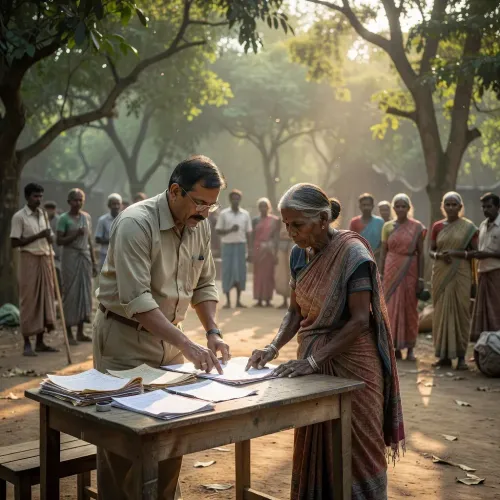
That second point — citizenship rights — is the sharper edge of this announcement. Across India, a significant share of Scheduled Tribe and forest-dwelling communities have historically lived in settlements without documentation: no voter ID, no ration cards, no land titles. Without papers, welfare schemes remain permanently out of reach, regardless of how many are launched in the capital.
The Policy Lineage: Forest Rights Act and State Delivery
The legal foundation for this recognition runs back to the Forest Rights Act of 2006, which mandated that tribal and forest-dwelling communities receive formal recognition of their land and resource rights. Implementation, however, has been uneven across states and decades. Uttar Pradesh under the current administration has positioned its tribal welfare outreach — covering basic infrastructure as well as documentation — as a fulfilment of that long-pending legal promise.
Welfare delivery to Scheduled Tribe settlements has been a consistent theme in UP government communications since 2017, when Yogi Adityanath first assumed the Chief Ministership. The pattern fits a wider national push by state governments to close the gap between central tribal welfare frameworks and ground-level outcomes in remote areas.
Dignity as a Policy Metric
The language in the CM's statement is deliberate: 'dignified life' (सम्मानजनक जीवन) is not an administrative output — it is a political one. It signals that the government is measuring its tribal outreach not just by roads laid or houses built, but by the lived experience of those who receive them. Whether the numbers claimed are independently audited will determine how durable that narrative proves.
For now, the message from Lucknow is clear: the administration wants tribal welfare — from amenities to legal identity — read not as charity, but as a restoration of rights long owed.
Point of View
The Yogi administration is trying to close the credibility gap that has long plagued tribal welfare schemes: amenities delivered but identity still withheld. The reference to 'dignified life' positions the BJP-led state government within a national narrative of inclusive development that Prime Minister Modi has anchored around Scheduled Tribe outreach. Independent verification of the scale claimed will be the real test of whether this represents a genuine policy milestone or a carefully timed communication exercise.
NationPress
16 Nov 2026
Frequently Asked Questions
What did CM Yogi Adityanath say about tribal families in UP?
CM Yogi Adityanath stated that tribal settlements in Uttar Pradesh that once lacked basic facilities now have all essential amenities, and that thousands of families have been granted citizenship rights.
What is the Forest Rights Act and how does it relate to UP tribal welfare?
The Forest Rights Act, enacted in 2006, recognises the land and resource rights of tribal and forest-dwelling communities across India. Uttar Pradesh's current tribal welfare initiatives are framed as fulfilment of rights mandated by this law.
What does 'citizenship rights' mean for tribal families in UP?
Many tribal families historically lived without formal documentation such as voter ID, ration cards, or land titles. 'Citizenship rights' in this context refers to formal legal recognition that enables access to government schemes and civic entitlements.
How long has the Yogi Adityanath government been working on tribal welfare?
Since Yogi Adityanath became Chief Minister of Uttar Pradesh in 2017, the state administration has consistently communicated its efforts to deliver basic services and documentation to Scheduled Tribe settlements.
Which communities benefit from UP's tribal welfare push?
The primary beneficiaries are Scheduled Tribe and forest-dwelling communities in Uttar Pradesh whose settlements previously lacked infrastructure and legal documentation.