CM Yogi flags CAA citizenship gains for thousands in UP
Synopsis
Uttar Pradesh Chief Minister Yogi Adityanath says thousands of CAA-eligible families, once denied basic facilities, have now received Indian citizenship and been connected to the full range of state welfare schemes.
Key Takeaways
CM Yogi Adityanath posted on 16 November 2026 that thousands of families deprived of basic amenities have now received citizenship and welfare access.
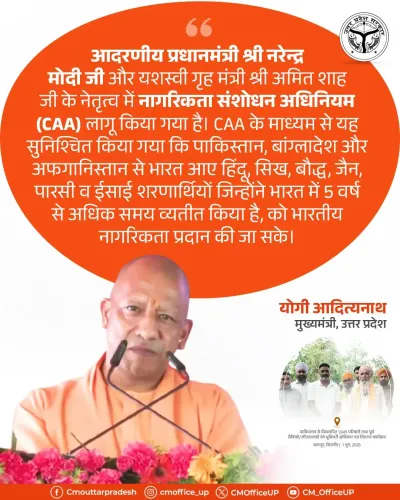
The Citizenship Amendment Act (CAA) , enacted in December 2019 , fast-tracks citizenship for persecuted non-Muslim minorities from Pakistan, Bangladesh, and Afghanistan who entered India before 2014.
Uttar Pradesh has set up district-level committees to run document-verification camps and issue citizenship certificates to eligible families.
Citizenship certification unlocks access to housing, ration cards, water and electricity connections under multiple central and state welfare schemes.
Further district-level citizenship certificate drives and welfare-scheme integration for new citizens are expected to continue across UP.
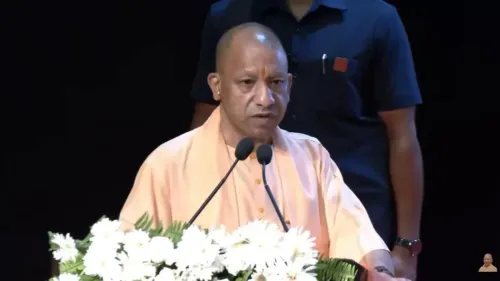
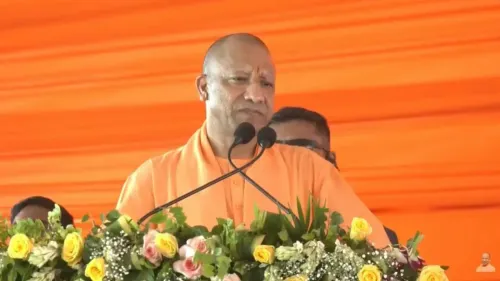
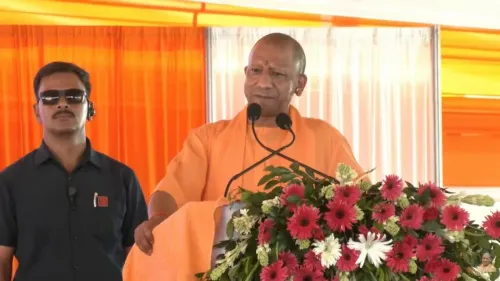
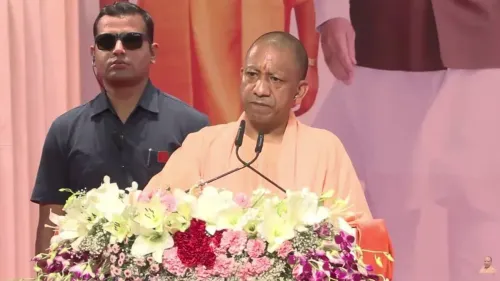
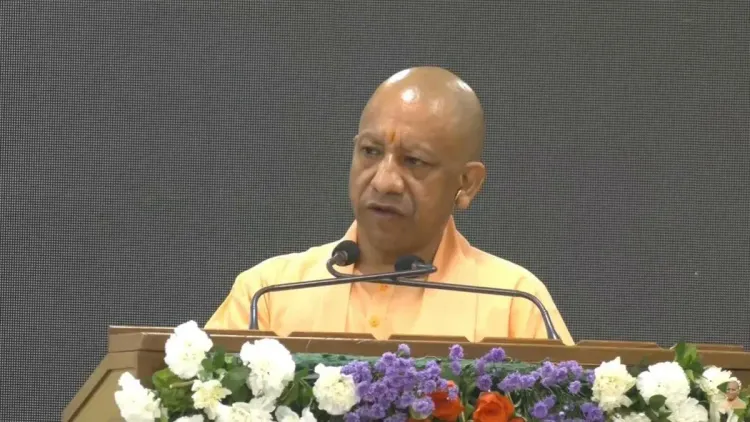
Thousands of families who once lived without access to basic civic amenities — no electricity, no housing, no ration cards — have now been brought into the fold of India's welfare architecture, Uttar Pradesh Chief Minister Yogi Adityanath declared on Monday, 16 November 2026, underlining what he described as a transformative shift in the lives of Citizenship Amendment Act (CAA)-eligible communities across the state.
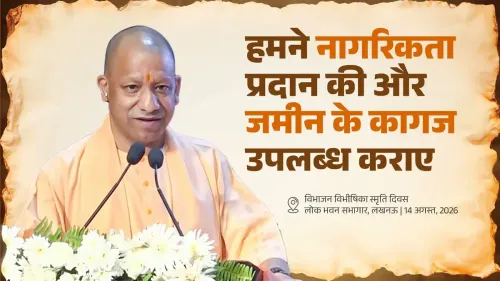
Posting on X in Hindi, CM Yogi wrote: 'हजारों परिवार बुनियादी सुविधाओं से वंचित थे, आज वे सभी प्रकार की सुविधाओं से संपन्न हुए हैं और उनको नागरिकता मिली है...' — 'Thousands of families were deprived of basic facilities; today they have been endowed with all kinds of amenities and have received citizenship.' The ellipsis at the close signals an ongoing process, not a concluded chapter.
What the CAA promised — and what UP is now delivering
Enacted in December 2019, the Citizenship Amendment Act created a fast-track citizenship pathway for persecuted non-Muslim minorities — Hindus, Sikhs, Buddhists, Jains, Parsis, and Christians — who fled Pakistan, Bangladesh, and Afghanistan and entered India before 2014. For years, eligible families lived in a legal grey zone: present on Indian soil, often for decades, yet formally stateless and therefore locked out of welfare entitlements that citizenship unlocks.
Uttar Pradesh, with its dense pockets of refugee-origin communities, became a frontline state for operationalising the CAA. District-level committees were set up to run document-verification camps, process citizenship applications, and issue formal certificates — the administrative bridge between a law on paper and a life changed on the ground.
Citizenship as the key to welfare's door
The significance of Yogi Adityanath's framing is strategic: he is explicitly linking the act of granting citizenship to the act of delivering welfare. Once a family holds a citizenship certificate, it becomes eligible for the full stack of state schemes — Pradhan Mantri Awas Yojana housing, ration cards under the National Food Security Act, connections under Har Ghar Jal, and electricity access under Saubhagya. Citizenship, in this architecture, is not just a legal status; it is the master key to the welfare state.
BJP-governed states have increasingly used district-level citizenship drives as both a policy delivery mechanism and a visible political marker — demonstrating that the CAA, long contested in courts and streets, is now yielding tangible results for real families. Uttar Pradesh, as the most populous state and a BJP stronghold, has been central to that narrative.
What comes next for CAA beneficiaries in UP
The road ahead involves scale and integration. District-level certificate distribution camps are expected to continue, with fresh cohorts of eligible families being processed. The harder administrative task is ensuring that newly minted citizens are seamlessly enrolled in existing welfare databases — a process that requires coordination between state civil-registration offices, district welfare departments, and central scheme portals. CM Yogi's post, brief as it is, signals that this integration is being tracked at the top level of the state government.
For thousands of families who spent years invisible to the state, that visibility is the whole story.
Point of View
Food, power), and it reinforces BJP's governance narrative ahead of ongoing political cycles. For Uttar Pradesh specifically, operationalising the CAA at district scale is a test of administrative capacity and a signal that the party intends to convert a contested law into a durable political asset.
NationPress
16 Nov 2026
Frequently Asked Questions
What is the Citizenship Amendment Act and who does it benefit?
The Citizenship Amendment Act, enacted in December 2019, provides a fast-track pathway to Indian citizenship for non-Muslim persecuted minorities — Hindus, Sikhs, Buddhists, Jains, Parsis, and Christians — from Pakistan, Bangladesh, and Afghanistan who entered India before 31 December 2014.
What did CM Yogi Adityanath say about CAA families in UP?
CM Yogi Adityanath said on 16 November 2026 that thousands of families who were earlier deprived of basic facilities have now received citizenship and been connected to all types of civic amenities and welfare schemes.
How is Uttar Pradesh implementing the CAA at the ground level?
UP has set up district-level committees that organise document-verification camps, process citizenship applications, and issue formal citizenship certificates to eligible families from persecuted minority communities.
What welfare schemes can CAA beneficiaries access after getting citizenship?
Once they receive citizenship certificates, beneficiaries become eligible for housing under Pradhan Mantri Awas Yojana, ration cards under the National Food Security Act, water connections under Har Ghar Jal, and electricity access under the Saubhagya scheme, among others.
Will more CAA citizenship camps be held in Uttar Pradesh?
Yes, further district-level citizenship certificate distribution camps and welfare-scheme integration drives for new citizens are expected to continue across Uttar Pradesh as the CAA operationalisation effort scales up.