CM Yogi backs CAA, credits PM Modi and Amit Shah
Synopsis
Chief Minister Yogi Adityanath's office reaffirmed on 1 June 2026 that the Citizenship Amendment Act is in force, guaranteeing Indian citizenship to Hindu, Sikh, Buddhist, Jain, Parsi, and Christian refugees from Pakistan, Bangladesh, and Afghanistan who have lived in India for over five years.
Key Takeaways
The Chief Minister's Office of Uttar Pradesh posted a statement by CM Yogi Adityanath on 1 June 2026 affirming CAA implementation.
The Citizenship Amendment Act covers six non-Muslim minority communities — Hindu, Sikh, Buddhist, Jain, Parsi, and Christian — from Pakistan, Bangladesh, and Afghanistan .
Eligible applicants must have resided in India for more than five years , down from the standard 11-year requirement.
The CAA Rules were notified in March 2024 by the Ministry of Home Affairs, enabling online applications.
CM Yogi credited Prime Minister Narendra Modi and Home Minister Amit Shah for the law's enactment and implementation.
Uttar Pradesh is expected to play a significant role in processing applications given its large eligible refugee population.
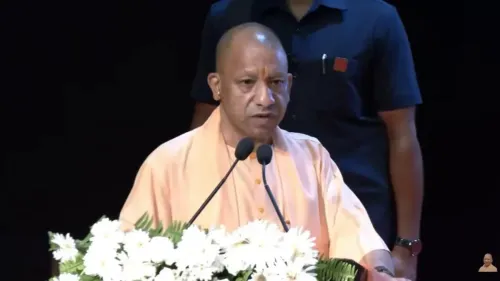
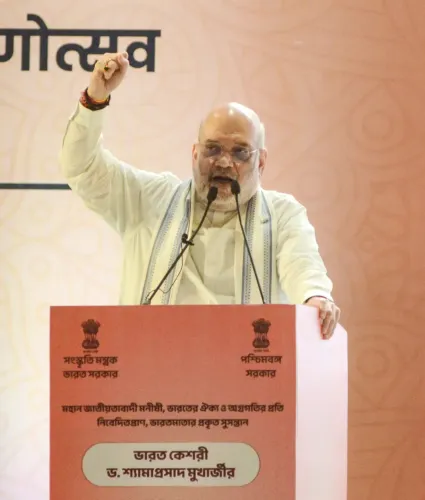
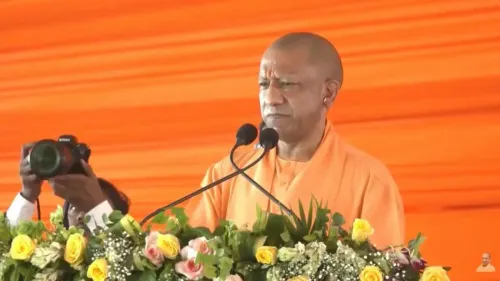
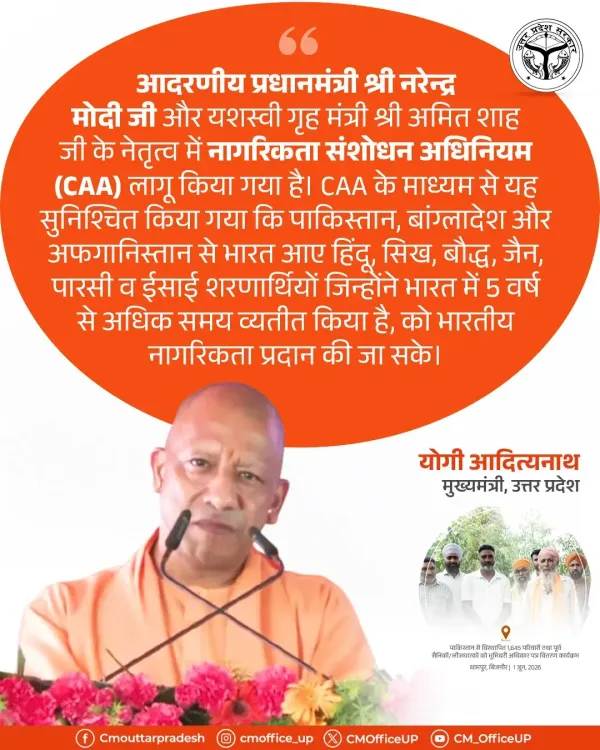
The Chief Minister's Office of Uttar Pradesh on Monday, 1 June 2026 posted a statement attributed to Chief Minister Yogi Adityanath affirming the implementation of the Citizenship Amendment Act (CAA), crediting Prime Minister Narendra Modi and Union Home Minister Amit Shah for bringing the law into force.
Context
The post, in Hindi, states: 'Nagrikta Sanshodhan Adhiniyam (CAA) laagu kiya gaya hai' ['The Citizenship Amendment Act has been implemented']. CM Yogi's statement underlines that the law ensures Hindu, Sikh, Buddhist, Jain, Parsi, and Christian refugees who arrived in India from Pakistan, Bangladesh, and Afghanistan and have resided in the country for more than five years are eligible to receive Indian citizenship.
The statement positions the Act as a humanitarian guarantee for persecuted religious minorities from three specified neighbouring countries, framing it as a landmark achievement of the central government's leadership.
Policy Backdrop
The Citizenship (Amendment) Act was passed by Parliament in December 2019, amending the Citizenship Act of 1955. The law fast-tracks naturalisation for six non-Muslim minority communities — Hindus, Sikhs, Buddhists, Jains, Parsis, and Christians — who fled religious persecution in Pakistan, Bangladesh, or Afghanistan and entered India before 31 December 2014.
The Ministry of Home Affairs notified the CAA Rules in March 2024, activating an online application portal and formally enabling eligible applicants to file for citizenship. The rules reduced the residency requirement for these communities from the standard 11 years to 5 years.
Stakeholders and Impact
The primary beneficiaries are long-term refugees belonging to the six specified communities who have lived in India for over five years without formal citizenship status. Advocacy groups representing these communities have described the rules notification as a long-awaited relief after years of legal uncertainty.
The CAA has also been a subject of sustained political debate, with critics raising concerns about its intersection with a proposed National Register of Citizens (NRC). Proponents, including the Bharatiya Janata Party (BJP)-led central government and its state allies, maintain the law is a protective measure and does not affect the citizenship of any existing Indian national regardless of religion.
What's Next
Attention is now on the rollout of district-level application processing infrastructure across states, including Uttar Pradesh, where a large number of eligible applicants are believed to reside. Fresh notifications on documentation requirements and eligibility cut-off dates are being watched by legal experts and refugee-support organisations.
CM Yogi's public endorsement signals that Uttar Pradesh intends to actively facilitate CAA applications at the ground level, potentially setting a template for other BJP-governed states.
Point of View
Reinforcing the BJP's ownership of the legislation ahead of what remains a polarising national debate. By explicitly naming PM Modi and Amit Shah, the statement ties Uttar Pradesh's administrative identity to the central government's citizenship agenda. The timing — well after the March 2024 rules notification — suggests the emphasis is as much on voter communication as on administrative update. The statement also implicitly pressures state machinery to accelerate application processing, converting a legislative milestone into a governance deliverable.
NationPress
15 Oct 2026
Frequently Asked Questions
What is the Citizenship Amendment Act (CAA)?
The Citizenship Amendment Act is a 2019 Indian law that amends the Citizenship Act of 1955 to fast-track Indian citizenship for Hindu, Sikh, Buddhist, Jain, Parsi, and Christian refugees who fled religious persecution in Pakistan, Bangladesh, or Afghanistan and entered India before 31 December 2014.
Who is eligible for citizenship under CAA?
Refugees from Pakistan, Bangladesh, and Afghanistan belonging to the Hindu, Sikh, Buddhist, Jain, Parsi, or Christian communities who entered India before 31 December 2014 and have resided in the country for more than five years are eligible to apply.
When were CAA rules notified?
The Ministry of Home Affairs notified the CAA Rules in March 2024, activating an online application portal and formally allowing eligible individuals to file for citizenship.
Does CAA affect the citizenship of existing Indian Muslims?
No. The CAA applies only to specified non-Muslim minorities from three neighbouring countries seeking citizenship. It does not strip or alter the citizenship rights of any existing Indian national, including Muslims.
What role does Uttar Pradesh play in CAA implementation?
As one of India's most populous states with a significant number of eligible refugees, Uttar Pradesh is expected to be a major centre for CAA application processing. CM Yogi's statement signals the state government's active support for the law's rollout.