CAA implementation: RJD slams Amit Shah's push; BJP, JD-U defend
Synopsis
Home Minister Amit Shah's pledge to fast-track CAA citizenship grants in West Bengal — made at a Syama Prasad Mookerjee event in Kolkata — has reignited a sharp political battle. RJD called it deliberate polarisation; BJP and JD-U defended it as lawful implementation. The exchange underscores how the CAA remains one of India's most combustible political flashpoints heading into Bengal's electoral cycle.
Key Takeaways
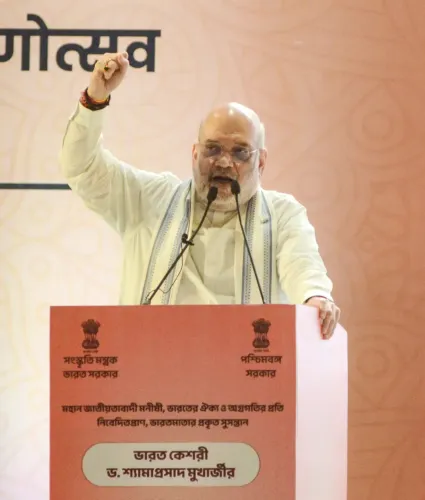
Home Minister Amit Shah pledged on 6 July to expedite CAA citizenship grants in West Bengal , speaking at the Eco Park foundation stone event for a 125-foot Syama Prasad Mookerjee statue .
RJD spokesperson Mrityunjay Tiwari accused the BJP of using the CAA to polarise voters and spread religious hatred.
RJD National General Secretary Abdul Bari Siddiqui said the decision to grant citizenship rests with the government.
BJP Bihar President Sanjay Saraogi defended the law as a legitimate measure for persecuted minorities who entered India before 2014 .
JD(U) MLA Shyam Rajak backed implementation but stressed decisions must be taken in the national interest, not on religious grounds.
The CAA rules were notified in March 2024 ; Shah's remarks signal a renewed push to accelerate the process, especially in West Bengal .
Rashtriya Janata Dal (RJD) on Tuesday, 7 July sharply criticised Union Home Minister Amit Shah after he pledged to expedite the implementation of the Citizenship Amendment Act (CAA) in West Bengal, with the party alleging that the Bharatiya Janata Party (BJP) weaponises such issues to polarise voters along religious lines. The remarks drew a swift multi-party response, with the BJP and Janata Dal (United) defending the Centre's position.
What Amit Shah Said in Kolkata
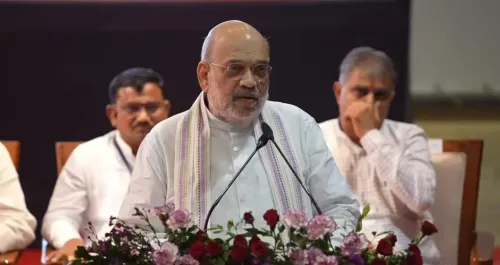
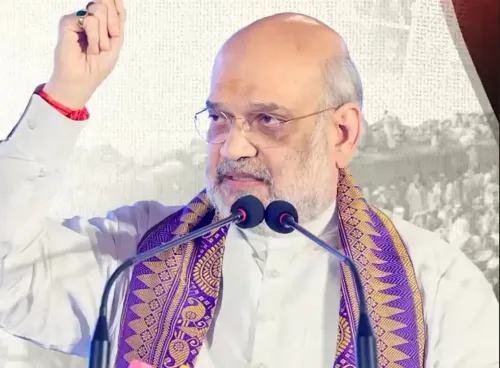
Home Minister Amit Shah made the remarks on Monday, 6 July, while laying the foundation stone for a 125-foot statue of Syama Prasad Mookerjee at Eco Park in New Town, Kolkata, on the occasion of Mookerjee's 125th birth anniversary. Shah stated that the process of granting citizenship under the CAA would be expedited and completed in West Bengal, and that the central government would make every effort to identify and remove infiltrators from the country.
RJD's Criticism
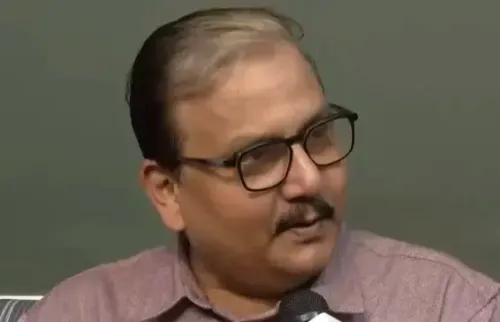
RJD spokesperson Mrityunjay Tiwari said, 'Amit Shah focuses on such issues because they help polarise votes and spread hatred among people on religious lines. This country will function according to its laws, rules, and the Constitution, not according to anyone's personal wishes.'
RJD National General Secretary Abdul Bari Siddiqui took a more measured tone, saying, 'That is the government's responsibility. If people from outside wish to come to India and seek Indian citizenship, and the government wants to grant it, what can we say? It is for the government to decide.'
BJP and JD-U Defend the Centre's Stand
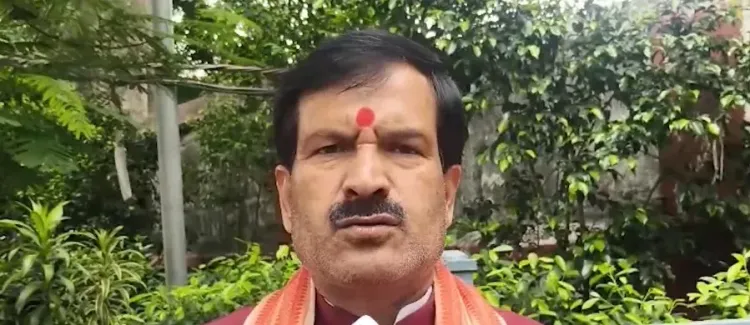
BJP Bihar President Sanjay Saraogi defended the law, stating, 'The law provides for granting Indian citizenship to Hindus, Buddhists, and members of other minority communities who came to India from neighbouring countries and sought refuge before 2014. The law was enacted for this purpose and is now being implemented. Wherever applications are received in accordance with the law, the Government of India is granting citizenship.'
JD(U) MLA Shyam Rajak struck a cautious note, saying that citizenship must be granted strictly under the legal framework and not on religious or caste considerations. 'Refugees who come to the country are dealt with under the existing legal framework. Those seeking citizenship must apply, and the government examines each application before taking a decision. If the Home Minister has made such a statement, it is welcome, but decisions should always be taken in the national interest rather than on religious grounds,' he said.
Context and Background
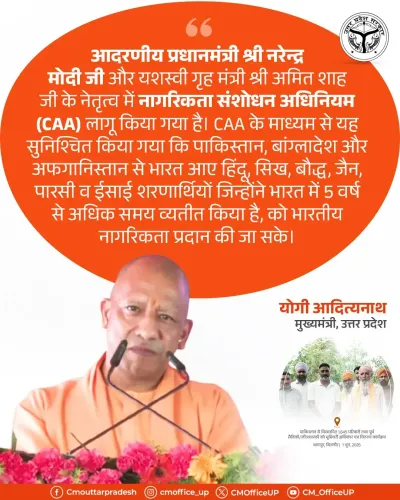
The CAA, enacted in December 2019, provides a pathway to Indian citizenship for persecuted religious minorities — Hindus, Sikhs, Buddhists, Jains, Parsis, and Christians — from Afghanistan, Bangladesh, and Pakistan who entered India before 31 December 2014. The law has remained politically contentious, with critics arguing it excludes Muslims and undermines the secular character of the Constitution. The government notified the CAA rules in March 2024, formally activating the application process. Shah's Kolkata remarks signal a renewed push to accelerate grant of citizenship, particularly in a state that shares a border with Bangladesh and has a significant refugee population. This is not the first time the BJP has raised the CAA's implementation timeline ahead of or during electoral cycles in Bengal.
What Comes Next
The political sparring over the CAA is likely to intensify as West Bengal remains a key battleground state. Opposition parties are expected to continue challenging the law's implementation, while the Centre shows no signs of slowing its push. How state governments respond to citizenship applications processed under the CAA framework will be closely watched in the coming months.
Point of View
But the more telling signal is JD(U)'s hedged response: an alliance partner that welcomes the statement but quietly insists on national-interest framing over religious grounds. That internal tension within the NDA on CAA optics is the story mainstream coverage tends to miss. The CAA has been law since 2019 and rules since March 2024 — yet its implementation pace remains a political lever, not just an administrative one.
NationPress
6 Oct 2026
Frequently Asked Questions
What did Amit Shah say about the CAA in Kolkata?
Home Minister Amit Shah said on 6 July that the process of granting citizenship under the CAA would be expedited and completed in West Bengal, and that the government would work to remove every infiltrator from the country. He made the remarks while laying the foundation stone for a 125-foot statue of Syama Prasad Mookerjee at Eco Park in New Town, Kolkata.
Why did RJD criticise Amit Shah over the CAA?
RJD alleged that the BJP raises the CAA to polarise voters and spread religious hatred. Spokesperson Mrityunjay Tiwari said the country must function according to its Constitution, not personal wishes, while National General Secretary Abdul Bari Siddiqui said the decision ultimately rests with the government.
What is the Citizenship Amendment Act (CAA)?
The CAA, enacted in December 2019, offers Indian citizenship to persecuted religious minorities — Hindus, Sikhs, Buddhists, Jains, Parsis, and Christians — from Afghanistan, Bangladesh, and Pakistan who entered India before 31 December 2014. The implementing rules were notified in March 2024, formally opening the application process.
How did BJP and JD-U respond to the controversy?
BJP Bihar President Sanjay Saraogi defended the CAA as a lawful measure for persecuted minorities from neighbouring countries. JD(U) MLA Shyam Rajak welcomed Shah's statement but said decisions must be taken in the national interest and strictly within the legal framework, not on religious or caste grounds.
Why is West Bengal significant in the CAA debate?
West Bengal shares a long border with Bangladesh and has a substantial refugee population, making it a focal point for CAA implementation. The state is also a key political battleground for the BJP, giving Shah's pledge both an administrative and an electoral dimension.