CM Yogi Slams SP, Congress Over CAA Citizenship Drive
Synopsis
Uttar Pradesh CM Yogi Adityanath publicly shamed the Samajwadi Party and Congress on 29 June 2026, pointing out that the day's CAA citizenship recipients were mostly Dalit and backward-class individuals — and asking why the opposition never spoke up for them.
Key Takeaways
CM Yogi Adityanath posted a sharp attack on the Samajwadi Party and Congress over their opposition to the Citizenship Amendment Act on 29 June 2026 .
He stated that the majority of those receiving citizenship on the day were from Dalit, deprived, and backward communities .
The Chief Minister challenged both parties to explain why they had never raised their voices for such individuals.
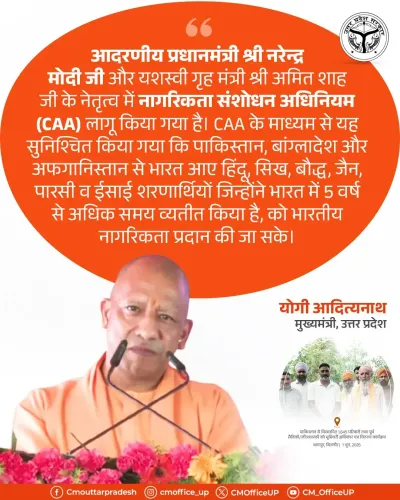
The CAA, 2019 offers citizenship to persecuted religious minorities from Pakistan, Bangladesh, and Afghanistan who arrived before 31 December 2014 ; its rules were notified in March 2024 .
The BJP is using citizenship ceremonies as visible political events in Uttar Pradesh , framing the CAA as a social-justice measure for marginalised communities.
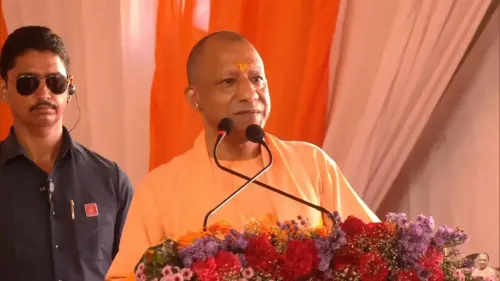
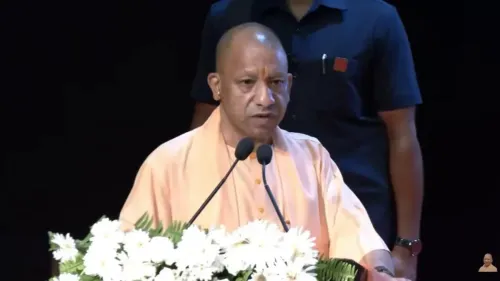
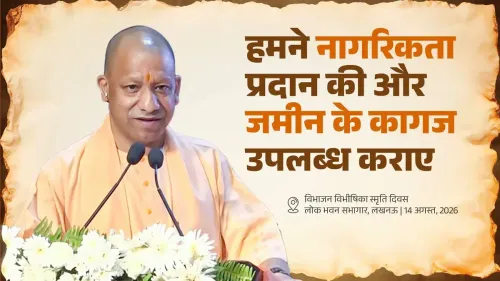
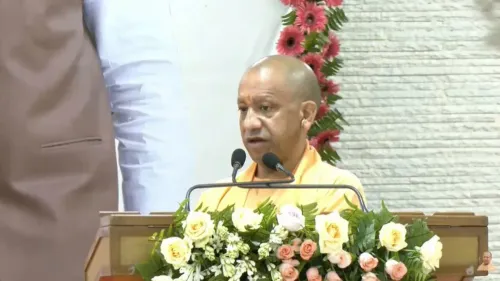
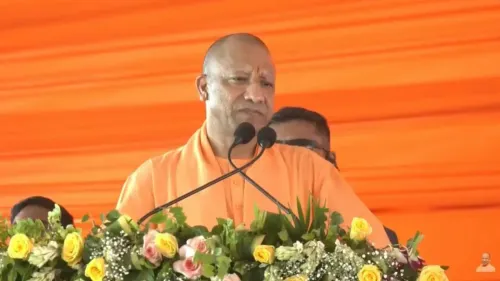
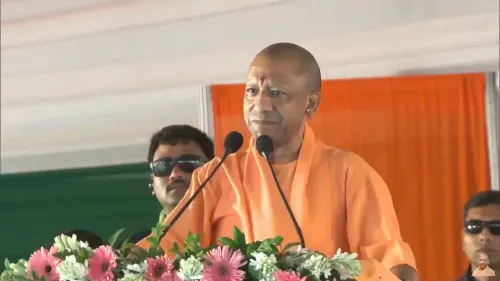
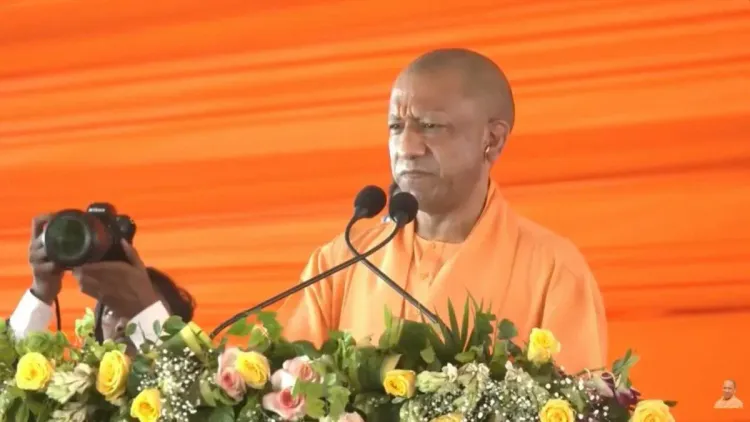
Uttar Pradesh Chief Minister Yogi Adityanath on Monday, 29 June 2026, launched a sharp attack on the Samajwadi Party and the Indian National Congress, accusing them of hypocrisy over their opposition to the Citizenship Amendment Act (CAA), as fresh citizenship certificates were being granted to eligible beneficiaries under the law.
Posting on X, the Chief Minister wrote in Hindi: 'Samajwadi Party aur Congress ke logon, besharm ke saath doob maro' — a blunt rebuke translating to: 'People of the Samajwadi Party and Congress, you should be ashamed and drown.' He pointedly noted that the majority of those receiving citizenship on the day belonged to Dalit, deprived, and backward communities, and asked why these parties had never raised their voices in support of such individuals.
Context
The Citizenship Amendment Act, 2019 grants a pathway to Indian citizenship for persecuted religious minorities — Hindus, Sikhs, Buddhists, Jains, Parsis, and Christians — who migrated from Pakistan, Bangladesh, and Afghanistan before 31 December 2014. The law was passed by Parliament in December 2019 but its rules were notified only in March 2024, enabling applications to be processed. Citizenship ceremonies have since been held across states, including Uttar Pradesh.
CM Yogi's remarks came on a day when fresh citizenship documents were formally handed over to a new batch of beneficiaries, making the event a flashpoint for renewed political debate between the ruling Bharatiya Janata Party (BJP) and the opposition.
Policy Backdrop
The CAA has been one of the most contested legislative measures in recent Indian political history. The Samajwadi Party, led by Akhilesh Yadav, and the Congress have consistently opposed the law, arguing it discriminates on religious grounds and is unconstitutional. Both parties campaigned against it during the 2022 Uttar Pradesh assembly elections and the 2024 general elections.
The BJP and CM Yogi have countered that the law is a humanitarian measure for those who fled religious persecution, and that opposition to it amounts to denying justice to the most marginalised. By highlighting that today's beneficiaries are predominantly from Dalit and backward communities, Yogi Adityanath is framing the CAA as a social-justice instrument — a direct challenge to the opposition's core political identity.
Stakeholders and Impact
The beneficiaries at the centre of today's ceremony are among thousands of refugees and migrants from Pakistan, Bangladesh, and Afghanistan who have lived in India for years without formal citizenship. For many, particularly those from Scheduled Caste and Other Backward Class backgrounds, citizenship means access to government welfare schemes, property rights, formal employment, and voting rights.
CM Yogi's public framing of these recipients as Dalit and backward-class individuals is politically significant in Uttar Pradesh, a state where caste arithmetic is central to electoral outcomes. The Samajwadi Party and Congress, who position themselves as champions of OBC and Dalit welfare, now face a direct question about their stance on a policy that the BJP says benefits those very communities.
What's Next
With Uttar Pradesh heading into a politically charged period ahead of the next state assembly elections, the CAA citizenship ceremonies are likely to be amplified as BJP campaign events. The opposition will be under pressure to articulate a clearer counter-narrative that addresses the social composition of CAA beneficiaries without appearing to oppose relief for persecuted minorities.
CM Yogi's aggressive posture signals that the BJP intends to keep the CAA at the centre of its political messaging in the state, using each citizenship grant as a visible proof-point of delivery.
Point of View
Where caste identity drives electoral behaviour, this is a direct attempt to peel away OBC and Dalit voters from the Samajwadi Party's coalition by associating SP and Congress with indifference to the marginalised. The aggressive language — effectively calling the opposition shameless — suggests the BJP is confident enough in the CAA's on-ground delivery to weaponise it publicly. This marks a maturation of the party's CAA communication strategy: from defending the law against legal and street challenges to actively using it as a proof of inclusive governance.
NationPress
28 Sept 2026
Frequently Asked Questions
What did CM Yogi say about SP and Congress on 29 June 2026?
CM Yogi Adityanath posted on X accusing the Samajwadi Party and Congress of shamelessness, noting that most people receiving CAA citizenship that day were from Dalit, deprived, and backward communities, and asking why the opposition had never spoken up for them.
Who gets citizenship under the CAA?
The Citizenship Amendment Act, 2019 provides a pathway to Indian citizenship for persecuted religious minorities — Hindus, Sikhs, Buddhists, Jains, Parsis, and Christians — who migrated from Pakistan, Bangladesh, or Afghanistan before 31 December 2014.
Why is the CAA controversial in Uttar Pradesh?
Opposition parties like the Samajwadi Party and Congress argue the CAA discriminates on religious grounds, while the BJP says it is a humanitarian measure for persecuted minorities. In UP, the debate is intensified by caste politics, as both sides claim to represent Dalit and backward communities.
When did the CAA rules come into effect?
The Citizenship Amendment Act was passed in December 2019, but its implementing rules were notified in March 2024, after which citizenship applications began to be processed and ceremonies held.
What is the political significance of CM Yogi's statement?
By highlighting that CAA beneficiaries are largely Dalit and backward-class individuals, CM Yogi is challenging the Samajwadi Party and Congress on their claim to represent marginalised communities, turning the CAA into a social-justice argument ahead of future elections in Uttar Pradesh.