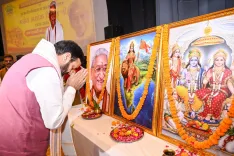
Kejriwal pays tribute to Raja Ram Mohan Roy on death anniversary

Synopsis
AAP convenor Arvind Kejriwal honoured Raja Ram Mohan Roy on his death anniversary, calling the Brahmo Samaj founder and anti-sati crusader the architect of modern India's progressive foundations.
Key Takeaways
Arvind Kejriwal posted a tribute to Raja Ram Mohan Roy on 27 September 2026 , Roy's death anniversary.
Kejriwal described Roy's contribution to modern India as 'invaluable,' citing his work against social evils and his championing of education and progress.
Roy, born in 1772 in Bengal , founded the Brahmo Samaj and led the campaign to abolish sati via the Bengal Sati Regulation of 1829 .
He also advocated for modern English education and press freedom in colonial India.
Roy died on 27 September 1833 in Bristol, England — a date marked annually by political leaders across party lines.
Two centuries after he shook the foundations of a society that had normalised the burning of widows, Raja Ram Mohan Roy still commands reverence from across India's political spectrum. On Sunday, 27 September 2026, AAP convenor Arvind Kejriwal marked Roy's death anniversary with a tribute on X, calling the reformer's contribution to modern India 'priceless.'
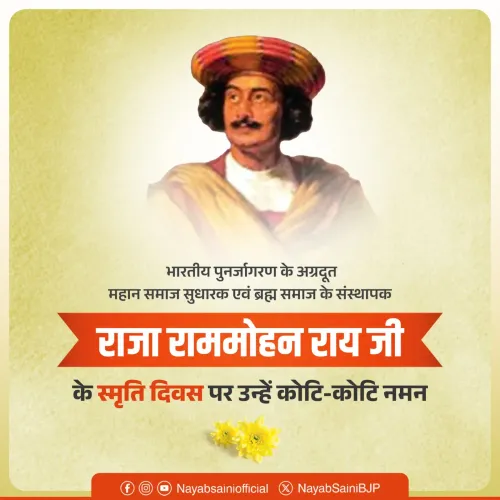
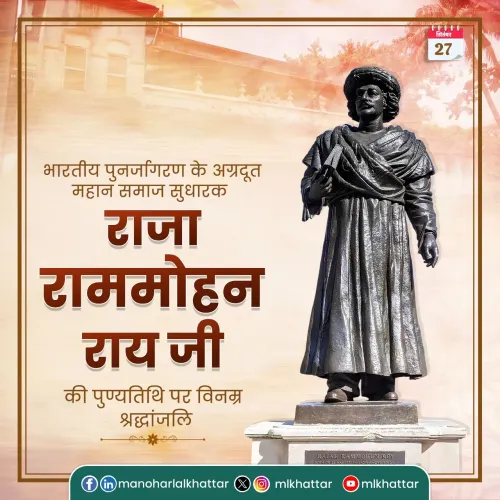
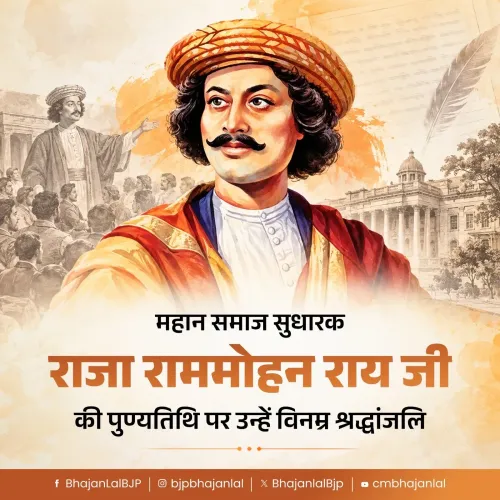
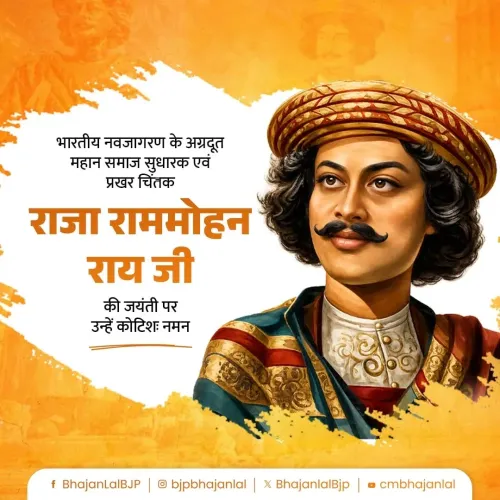
Kejriwal wrote — 'Mahan samaj sudharak Raja Ram Mohan Roy ji ki punyatithi par sadar naman' — 'Respectful homage on the death anniversary of great social reformer Raja Ram Mohan Roy.' He credited Roy with steering the country toward education and progress by rooting out the social evils of his time, and described Roy's role in building modern India as invaluable.
The man behind modern India's moral architecture
Born in 1772 in Bengal, Raja Ram Mohan Roy towered over 19th-century India as a reformer, thinker, and agitator. He founded the Brahmo Samaj, a movement that challenged idol worship and caste rigidity, and led the defining campaign that convinced the British colonial government to abolish sati — the practice of forcing widows onto their husbands' funeral pyres — through the Bengal Sati Regulation of 1829. That single achievement alone reshaped the moral contract between the state and its women.
Roy was equally fierce on education and press freedom, advocating for English-medium modern schooling at a time when it was a radical act. He died in Bristol, England, on 27 September 1833 — a date India observes annually as a moment to reckon with how far the country has travelled from the world he fought against, and how far it still has to go.
A ritual of remembrance — and what it signals
Tributes to 19th-century social reformers are a fixed feature of India's political calendar. Leaders across parties use these anniversaries to align themselves with the modernising, progressive strand of Indian history — a tradition that carries real symbolic weight in an era of ongoing debates about women's rights, education access, and social equality. Kejriwal's framing, centred on education and the removal of social ills, echoes the language AAP has consistently deployed around its governance agenda in Delhi and Punjab.
Point of View
Liberal-democratic tradition. For Kejriwal and AAP, whose brand rests heavily on education and governance reform, aligning with Roy carries particular resonance. The broader pattern reveals a bipartisan consensus around Roy's legacy, even as sharp disagreements persist over contemporary social policy. These commemorations rarely translate into new legislative or policy action, but they shape the symbolic vocabulary parties use to frame their agendas.
NationPress
27 Sept 2026
Frequently Asked Questions
When is Raja Ram Mohan Roy's death anniversary?
Raja Ram Mohan Roy's death anniversary falls on 27 September every year. He died on 27 September 1833 in Bristol, England.
What did Raja Ram Mohan Roy do for India?
Roy founded the Brahmo Samaj , led the successful campaign to abolish sati through the Bengal Sati Regulation of 1829, and advocated for modern education, women's rights, and press freedom in colonial India.
What is Brahmo Samaj and who founded it?
Brahmo Samaj was a 19th-century religious and social reform movement founded by Raja Ram Mohan Roy in Bengal. It challenged idol worship, caste hierarchy, and social orthodoxy.
Why did Arvind Kejriwal pay tribute to Raja Ram Mohan Roy?
Kejriwal posted a tribute on 27 September 2026 to mark Roy's death anniversary, calling his contribution to modern India 'invaluable' and highlighting Roy's work on education and the removal of social evils.
What was the Bengal Sati Regulation of 1829?
The Bengal Sati Regulation of 1829 was a British colonial law that abolished the practice of sati — widows being burned on their husbands' funeral pyres — largely as a result of Raja Ram Mohan Roy's sustained campaign against it.