Kejriwal meets AAP Uttarakhand unit ahead of 2027 polls
Synopsis
AAP national convenor Arvind Kejriwal met Uttarakhand party office-bearers on 19 November 2026, praising worker enthusiasm and vowing to give the state an 'honest alternative' — a clear organisational push ahead of the 2027 assembly polls where AAP currently holds zero seats.
Key Takeaways
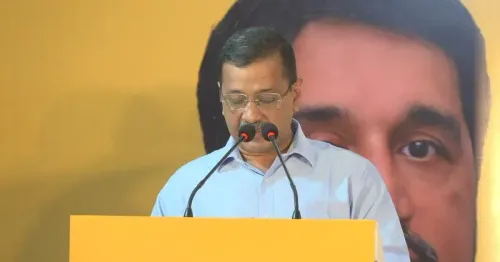
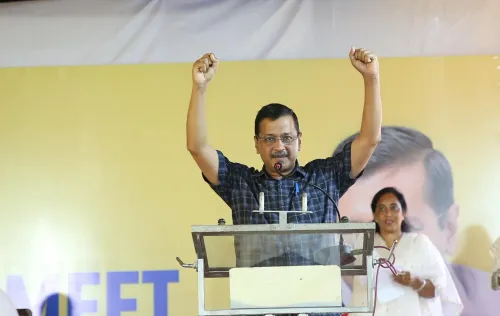
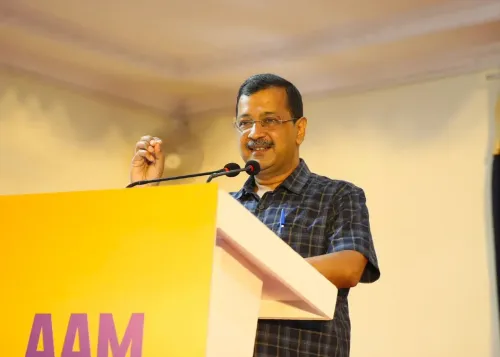
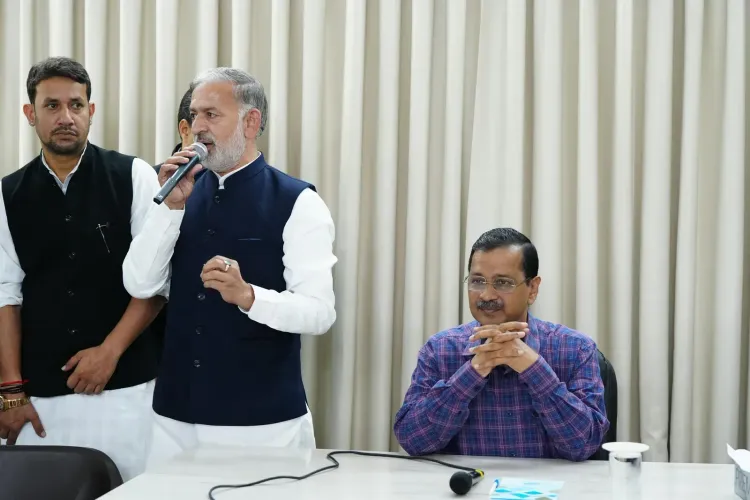
Kejriwal held a meeting with AAP Uttarakhand unit office-bearers and workers on 19 November 2026 .
AAP won zero seats in the 2022 Uttarakhand assembly election , making it a marginal player in the state.
The next Uttarakhand assembly election is expected in 2027 , giving the party roughly a year to build ground presence.
Kejriwal's messaging centred on offering voters an 'honest and strong alternative' to the BJP–Congress duopoly.
The meeting follows AAP's standard pre-poll playbook of structured state-unit outreach, used successfully before entries into Delhi and Punjab .
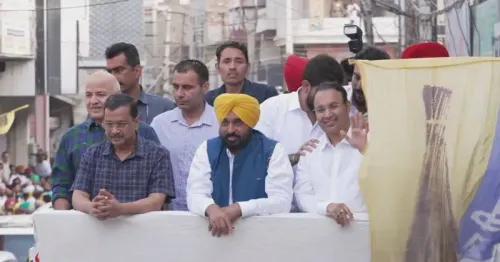
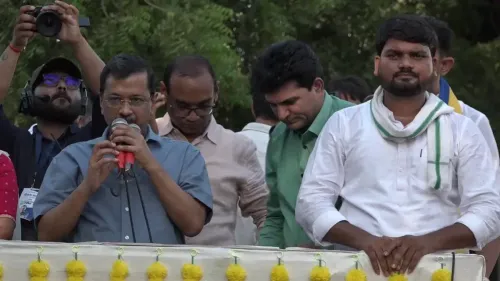
Four years after drawing a blank in Uttarakhand, AAP national convenor Arvind Kejriwal sat down with the party's state office-bearers and grassroots workers on Thursday, 19 November 2026 — a signal that the party is quietly but deliberately laying the groundwork for the 2027 Uttarakhand assembly elections.
Kejriwal, posting on X in Hindi, said the energy in the room told its own story: 'sabhī kā josh aur utsāh dekhakar sāf hai' ('the enthusiasm and spirit of everyone makes it clear') that workers are determined to offer the people of Uttarakhand 'an honest and strong alternative.' He signed off with best wishes for the entire team.
A blank slate from 2022 that AAP wants to rewrite
The meeting lands against a stark backdrop. In the February 2022 Uttarakhand Legislative Assembly election, AAP fielded candidates across the state but failed to win a single seat, leaving the Himalayan state's legislature as a straight BJP–Congress contest. That result has since become both a spur and a reference point for the state unit's rebuilding effort.
Party leaders have held a series of organisational outreach events in Uttarakhand over the intervening years, mirroring the ground-up model AAP used before its landmark victories in Delhi and Punjab. The emphasis on the word 'honest' — a fixture of AAP's brand identity since its founding in 2012 — is clearly deliberate: it is the same rhetorical frame the party deployed when it first broke into those two states.
What internal meetings mean in AAP's election playbook
For AAP, structured sit-downs with state-unit office-bearers are not routine housekeeping — they are a standard pre-poll instrument. The party uses them to assess booth-level readiness, align messaging, and project organisational credibility to a press and a voter base that might otherwise dismiss it as a distant Delhi outfit.
Uttarakhand's roughly 70 assembly constituencies spread across hill and terai districts present a logistical challenge that no single meeting resolves. But Kejriwal's physical or virtual presence at such a gathering — and his public amplification of worker morale — does two things at once: it boosts internal confidence and sends a visible signal to potential supporters that the party's national leadership has the state on its radar well before the campaign season opens.
The road to 2027: from marginal to meaningful
With the next Uttarakhand assembly election expected in early 2027, the party has roughly a year to convert organisational groundwork into electoral credibility. The challenge is formidable: displacing even a slice of the BJP–Congress duopoly in a state where AAP currently holds no seats, no sitting MLAs, and limited name recognition outside urban pockets.
What AAP does hold is a tested national brand, a replicable governance narrative from Delhi and Punjab, and — if Thursday's meeting is any guide — a state unit that its convenor believes is ready to fight. Whether that translates into seats in 2027 is the question Uttarakhand's voters will ultimately answer.
Point of View
Using the same 'honest governance' brand architecture that proved effective in Punjab. The bigger strategic question is whether AAP can recruit credible local faces in Uttarakhand, since its Delhi-centric identity has historically struggled to resonate in hill constituencies where caste, local patronage, and regional identity drive voting behaviour. If it can close that gap, it may not need to win seats to matter — even a vote-split function could reshape the BJP–Congress arithmetic in a close contest.
NationPress
19 Nov 2026
Frequently Asked Questions
When is the next Uttarakhand assembly election?
The next Uttarakhand Legislative Assembly election is expected in early 2027 , following the five-year cycle from the February 2022 polls.
How did AAP perform in the 2022 Uttarakhand election?
AAP won zero seats in the 2022 Uttarakhand assembly election despite fielding candidates across the state, leaving the legislature as a BJP–Congress contest.
Why did Kejriwal meet AAP Uttarakhand workers in November 2026?
Kejriwal met state office-bearers and workers to assess organisational readiness and boost morale ahead of the 2027 assembly polls , part of the party's standard pre-poll outreach strategy.
Does AAP govern Uttarakhand?
No. AAP does not govern Uttarakhand and holds no seats in the state assembly. The party currently governs Delhi and Punjab .
What is AAP's main message for Uttarakhand voters?
AAP is positioning itself as an 'honest and strong alternative' to the dominant BJP and Congress parties, echoing the brand message it used during successful campaigns in Delhi and Punjab.