Kejriwal pays tribute on Kabir Das Jayanti 2026

Synopsis
AAP convenor Arvind Kejriwal marked Kabir Das Jayanti on 29 June 2026, honouring the 15th-century saint-poet as a great social reformer who taught humanity, service, and the renunciation of ego.
Key Takeaways
AAP convenor Arvind Kejriwal posted a tribute on 29 June 2026 marking Kabir Das Jayanti .
He described Kabir Das as a great social reformer who taught humanity, selfless service, and the renunciation of ego.
Kabir Das Jayanti is observed on the Purnima (full moon) of the Hindu month of Jyeshtha each year.
Kabir Das, born in Varanasi in the 15th century, is venerated across Hindu, Muslim, and Sikh communities.
The tribute reflects AAP's broader outreach to OBC and Dalit communities who regard Kabir as a cultural ancestor.
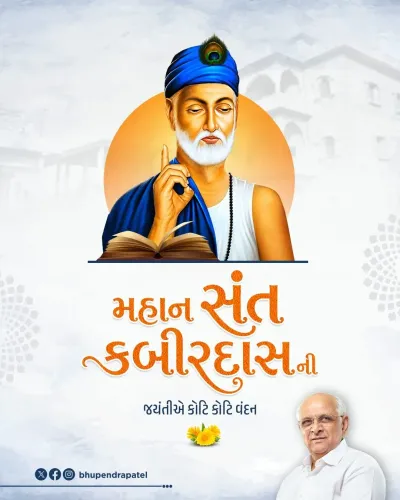
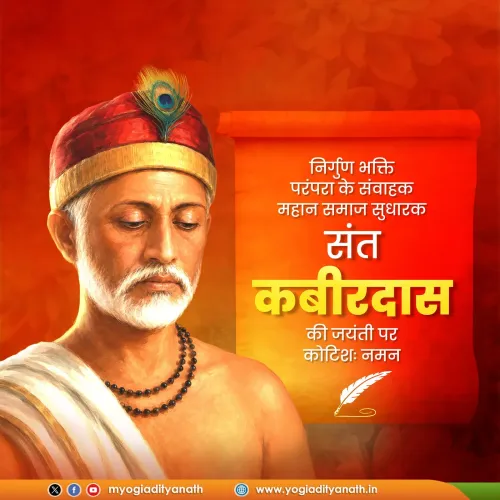
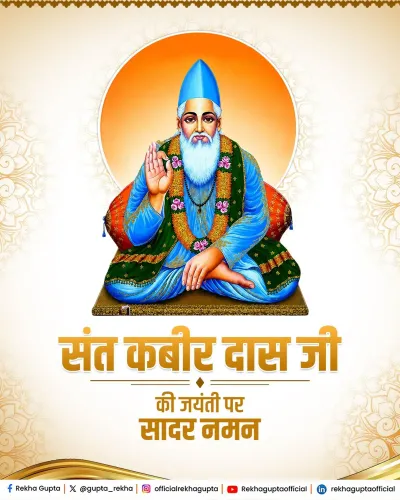
AAP convenor Arvind Kejriwal on Monday, 29 June 2026, paid homage to the 15th-century saint-poet Kabir Das on the occasion of his birth anniversary, offering what he described as koti-koti naman (countless salutations) to the revered social reformer.
In his post, Kejriwal described Kabir Das as a 'mahan samaj sudharak' (great social reformer) who taught humanity the lessons of service, humility, and the renunciation of ego. The original Hindi text reads: 'Manavta, seva aur ahankaar ko tyaagne ka paath padhane wale mahan samaj sudharak Sant Kabir Das ji ki jayanti par koti-koti naman.'
Context
Kabir Das Jayanti is observed annually on the full moon day (Purnima) of the Hindu month of Jyeshtha, commemorating the birth of the 15th-century mystic poet and weaver-saint from Varanasi. Kabir Das is venerated across religious lines — by Hindus, Muslims, and Sikhs alike — for his dohas (couplets) that challenged caste discrimination, religious orthodoxy, and social hierarchy. His followers, known as Kabir Panthis, continue to practise his teachings of devotion, egalitarianism, and inner purity.
Policy Backdrop
Tributes to saint-poets such as Kabir Das carry political resonance in India, particularly in states with large OBC (Other Backward Classes) and Dalit populations who regard Kabir as a cultural and spiritual ancestor. Uttar Pradesh, home to Kabir's birthplace and the Kabir Chaura Math in Varanasi, is a key electoral state where invocations of the saint's legacy are common across party lines. Kejriwal's tribute aligns with the Aam Aadmi Party's stated commitment to social inclusion and its outreach to marginalised communities.
Stakeholders and Impact
Kabir Das's teachings on ego-dissolution (ahankaar ka tyaag) and selfless service (seva) resonate with a broad cross-section of Indian society. Kabir Panthi communities, concentrated in Uttar Pradesh, Chhattisgarh, Rajasthan, and Madhya Pradesh, number in the millions and represent a significant social constituency. Political leaders across the spectrum — from the ruling Bharatiya Janata Party to the Indian National Congress and regional outfits — routinely mark the jayanti, reflecting the saint's pan-Indian cultural stature.
What's Next
As AAP continues to expand its national footprint beyond Delhi and Punjab, symbolic outreach through cultural and religious anniversaries is expected to remain a regular feature of Kejriwal's public communication. The party's engagement with the legacies of reformist saints — figures who historically questioned entrenched power structures — signals an effort to connect its political messaging with grassroots spiritual and social movements that command deep loyalty among voters.
Point of View
But it carries layered intent for a party still building national credibility. Kabir's identity as a low-caste weaver who defied brahminical and clerical authority makes him a potent symbol for parties courting OBC and Dalit voters. For AAP, invoking the saint's message of ego-renunciation and service also subtly reinforces its own brand narrative of 'politics of work over arrogance.' As the party eyes expansion in Hindi-belt states, such cultural markers will likely become more deliberate, not less.
NationPress
27 Sept 2026
Frequently Asked Questions
When is Kabir Das Jayanti celebrated in 2026?
Kabir Das Jayanti in 2026 falls on 29 June , observed on the Purnima (full moon day) of the Hindu month of Jyeshtha.
Who was Kabir Das and why is he important?
Kabir Das was a 15th-century mystic poet and weaver-saint born in Varanasi who challenged caste discrimination and religious orthodoxy through his dohas (couplets). He is revered across Hindu, Muslim, and Sikh traditions.
What did Arvind Kejriwal say on Kabir Das Jayanti 2026?
Kejriwal described Kabir Das as a 'great social reformer' who taught humanity the lessons of service, humility, and the renunciation of ego, offering 'countless salutations' on the occasion of his birth anniversary.
Why do Indian politicians pay tribute to Kabir Das?
Kabir Das commands deep reverence among OBC, Dalit, and minority communities across states like Uttar Pradesh, Chhattisgarh, and Rajasthan. Paying tribute to him is both a cultural acknowledgement and a form of political outreach to these large voter blocs.
What is Kabir Panthi?
Kabir Panthis are followers of Kabir Das who practise his teachings of devotion, egalitarianism, and inner purity. They form a significant community concentrated in Uttar Pradesh, Chhattisgarh, Rajasthan, and Madhya Pradesh .