Kejriwal Targets Modi Govt Over E20 Fuel Mandate, Flags Goa's Pain
Synopsis
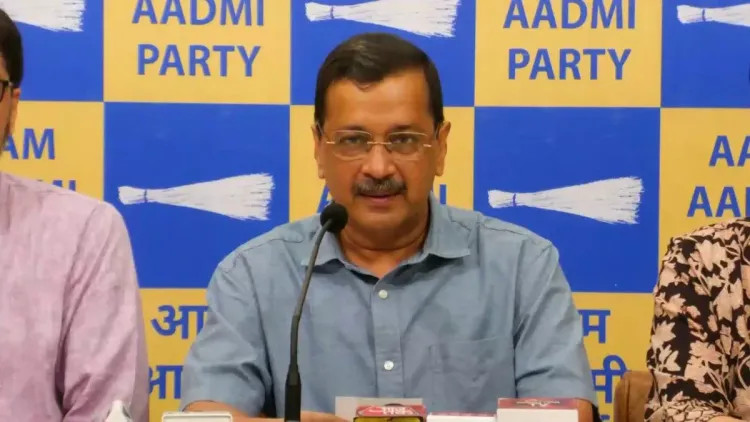
AAP convenor Arvind Kejriwal attacked the Modi government's E20 ethanol blending mandate on 7 August 2026, arguing that Goa — with high car and two-wheeler ownership — bears a disproportionate burden, and accusing the Centre of refusing to roll back the policy despite public opposition.
Key Takeaways
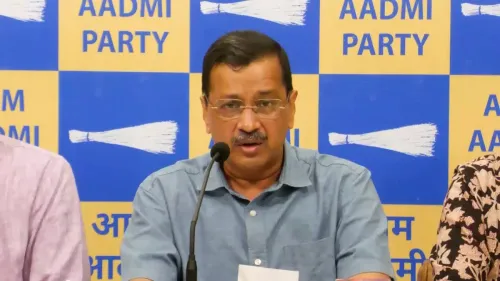
AAP convenor Arvind Kejriwal posted on 7 August 2026 criticising the central government's E20 ethanol blending mandate .
He cited figures claiming 45% of Goa's families own cars and 86% own two-wheelers , arguing the state bears a disproportionate burden.
The National Policy on Biofuels 2018 and a 2021 roadmap set India's ethanol blending targets, with E20 targeted for rollout by 2025 .
Critics across the opposition have raised concerns about vehicle compatibility, fuel efficiency losses , and consumer costs linked to higher ethanol blending.
Kejriwal accused the Modi government of 'arrogantly' refusing to roll back the policy despite public outrage.
The central government has not publicly responded; upcoming energy policy reviews will be a key watch point.
A fuel policy debate is heating up — and AAP convenor Arvind Kejriwal is pointing directly at Goa as the sharpest example of what he calls the Modi government's costly miscalculation on E20 ethanol blending.
In a post on Friday, 7 August 2026, Kejriwal cited figures from Goa — a state where, he claims, 45% of families own cars and 86% own two-wheelers — to argue that the Centre's push to mandate 20% ethanol blending in petrol falls hardest on a population that is unusually dependent on personal vehicles. 'Goa is hit hardest because of Modi govt's desperate move of forcing E20 on the country,' he wrote, adding that the government 'arrogantly refuses to roll back E20' despite what he described as public outrage.
What E20 Actually Means for a Vehicle Owner
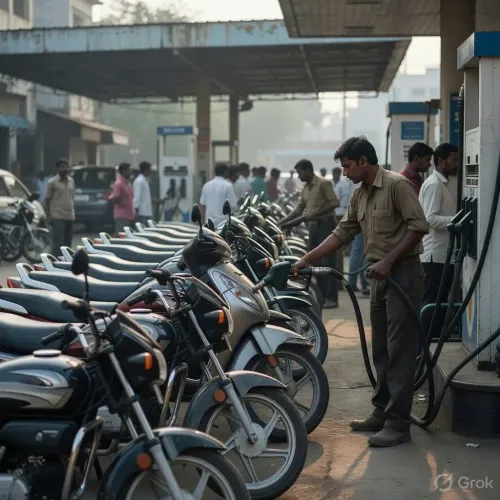
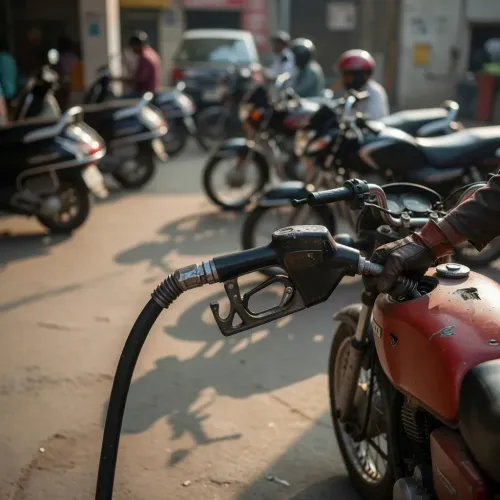
The Ethanol Blended Petrol (EBP) programme has been a central plank of India's energy strategy for years. The National Policy on Biofuels, 2018, set the framework, and a 2021 roadmap accelerated the timeline, targeting full E20 rollout by 2025. The logic is straightforward: blend more domestically produced ethanol into petrol, cut crude oil imports, and reduce emissions. On paper, a clean win. The friction emerges on the ground. Critics — and there have been many across the opposition — argue that a large share of India's existing vehicle fleet was not engineered for E20-grade fuel. Higher ethanol content can affect fuel efficiency, and in some engine types, raise concerns about compatibility and long-term wear. For a state like Goa, where vehicle ownership rates are among the highest in the country and two-wheelers are the primary mode of daily transport, those concerns are not abstract.Why Goa Sits at the Centre of This Fight
Goa's geography and lifestyle make it structurally different from most Indian states. Public transport networks are thin, distances between towns are not always walkable, and the tourist economy runs on mobility. A fuel that delivers fewer kilometres per litre — or that requires engine modifications to run cleanly — hits Goa's middle-class households harder than it might hit a dense urban centre with metro access. Kejriwal's framing is deliberately political: he is not just questioning the policy's design, he is questioning the Centre's willingness to listen. The charge that the government 'arrogantly refuses to roll back' the mandate is a direct challenge to Prime Minister Narendra Modi's administration ahead of any upcoming energy policy review. Opposition voices have raised E20 compatibility concerns consistently since the blending targets were tightened, but Kejriwal's use of Goa-specific vehicle ownership data — whether or not every figure is independently verifiable — sharpens the critique into something more concrete than a general policy objection. It names a place, names a percentage, and names a community feeling the pinch. The central government has not publicly responded to this specific post. Whether the Ministry of Petroleum and Natural Gas adjusts blending timelines or addresses state-level compatibility concerns in its next policy review will be the real test of how seriously these objections are being heard in New Delhi.Point of View
Since high personal vehicle ownership makes the efficiency and compatibility arguments tangible rather than theoretical. The broader pattern is significant: as India's ethanol blending targets have tightened, the political cost of the programme has migrated from industry lobbying rooms to kitchen-table conversations about fuel bills. For the BJP, defending E20 on energy-security grounds is sound long-term policy; the risk is that state-level pain points, amplified by opposition voices, erode the narrative before the benefits fully materialise. Whether the Centre chooses to engage with state-specific grievances or hold the line will signal how confident it is that the policy's gains outweigh its electoral friction.
NationPress
7 Aug 2026
Frequently Asked Questions
What is E20 fuel and why is it controversial in India?
E20 is petrol blended with 20% ethanol , mandated under India's Ethanol Blended Petrol programme to cut crude oil imports. It is controversial because many existing vehicles were not designed for this blend, raising concerns about reduced fuel efficiency and potential engine compatibility issues.
Why does Kejriwal say Goa is hit hardest by E20?
Kejriwal argues that Goa's unusually high vehicle ownership — he cites 45% of families owning cars and 86% owning two-wheelers — means more households directly bear the costs of any fuel efficiency loss or compatibility problem linked to E20.
What is the history of India's ethanol blending policy?
India's National Policy on Biofuels 2018 set a framework for increasing ethanol blending, and a 2021 government roadmap accelerated the timeline, targeting full E20 rollout by 2025 as part of a broader strategy to reduce dependence on imported crude oil.
Has the Modi government responded to E20 criticism?
The central government has consistently defended the ethanol blending programme on energy security and emissions grounds, but as of this post it had not publicly responded to Kejriwal's specific Goa-focused critique.
What should I watch next on the E20 policy debate?
Key moments to watch include any central government response to state-level compatibility concerns and whether the Ministry of Petroleum and Natural Gas adjusts blending targets or timelines in upcoming energy policy reviews.